-
Oct 07, 2026
- by Ashley Chen
Bhutan School Named Zayed Sustainability Prize Finalist for Smart Irrigation Project
Motithang Higher Secondary School is a 2027 Zayed Sustainability Prize finalist for a student-led smart irrigation and reforestation project.
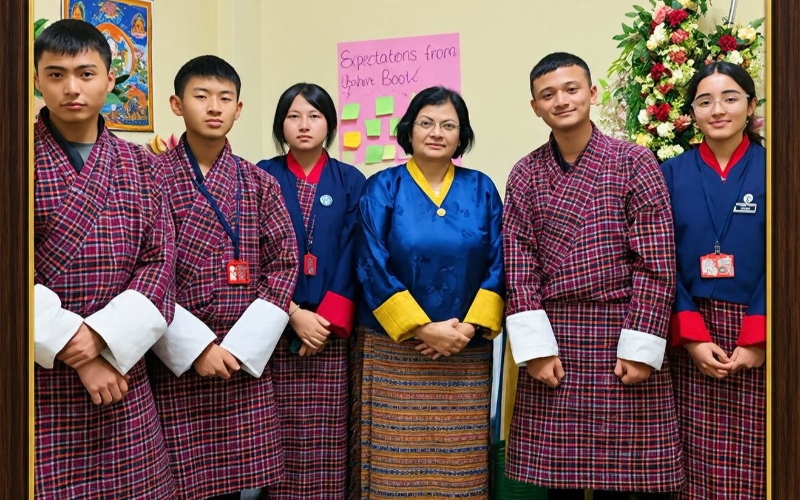
Motithang Higher Secondary School in Thimphu has been selected as one of three South Asian finalists in the Global High Schools category of the 2027 Zayed Sustainability Prize.
The Bhutanese public school was recognised for Smart Agriculture for a Sustainable Future, a student-led project that uses sensors, automated drip irrigation and mobile monitoring to reduce water consumption and improve plant growth.
The finalists were announced on 28 September 2026. Motithang is among 18 schools selected across six regions, rather than part of a separate global top 10 ranking.
Students Automate Greenhouse Irrigation
Eight students from Grades 9 and 11 developed the smart agriculture system.
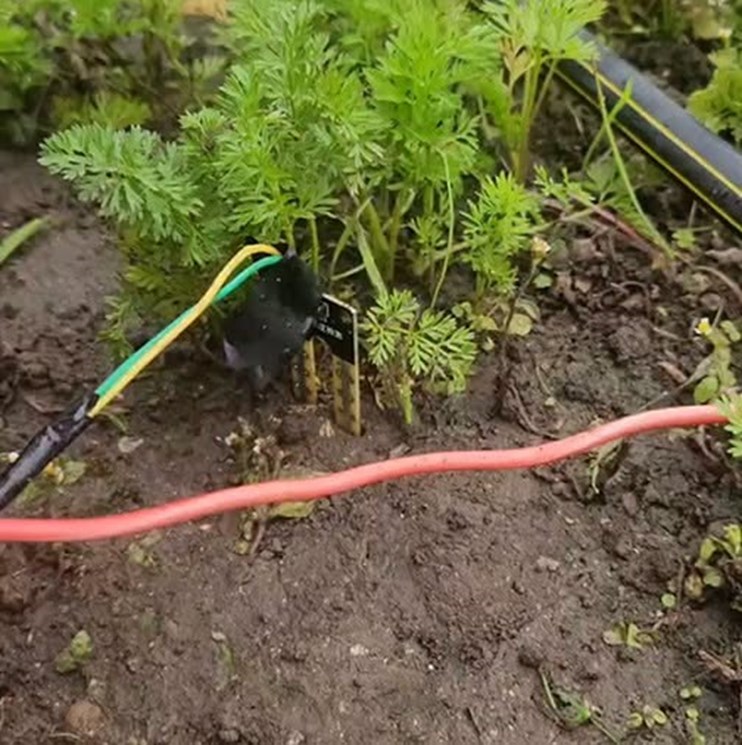
Sensors inside the school greenhouse measure soil moisture, temperature and humidity. An ultrasonic sensor is used to monitor plant growth, while a drip-irrigation network delivers water directly to the base of each plant.
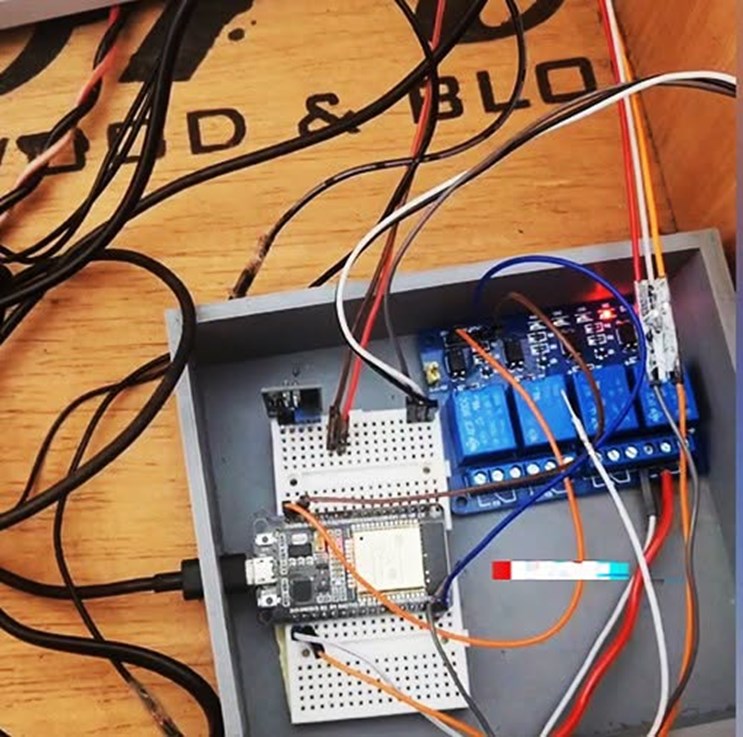
The system uses real-time readings to determine when watering is needed. A solenoid valve controls the flow of water, reducing the need for teachers and support staff to water the greenhouse manually each day.
Students can monitor the readings remotely through the Blynk mobile application. The app also allows users to open or close the water valve when conditions move beyond predetermined levels.
The school reported that the system reduced water use by 35 per cent during its initial application. Students also observed improved plant growth, although detailed comparative data on the crops and monitoring period were not publicly provided.
From Greenhouse Trial to Reforestation
Motithang Higher Secondary School plans to expand the technology beyond its greenhouse.
The school intends to use smart irrigation during the restoration of approximately two acres, or 0.8 hectares, of fire-affected land near Sangaygang in Thimphu. Sensors could help determine when newly planted trees require water, potentially reducing waste and improving their chances of survival.
The school also plans to establish a Smart Agriculture Club. The club would allow future students to maintain the system, study its results and develop further applications.
The project gives students practical experience with the Internet of Things, a term for physical devices that collect and exchange information through connected networks. It also links classroom learning in science and technology with water management, farming and ecological restoration.
The initiative reflects wider interest in climate-smart farming in Bhutan, where limited agricultural land, changing rainfall patterns and water availability make efficient resource use increasingly important.
One of Three South Asian Finalists
Motithang Higher Secondary School is competing in the South Asia region alongside A/Kagama Tract 09 Secondary School from Sri Lanka and Shree Saraswati Secondary School from Nepal.
The Sri Lankan school has proposed an integrated system combining solar energy, rainwater harvesting, groundwater recharge, water purification and vertical farming.
The Nepalese finalist plans to create a circular food and water system that uses duckweed to treat greywater and produce poultry feed, with the treated water reused for irrigation.
The Global High Schools category is divided into six regions:
-
The Americas
-
Sub-Saharan Africa
-
Middle East and North Africa
-
Europe and Central Asia
-
South Asia
-
East Asia and the Pacific
Three schools were selected from each region.
Financial Support for Every Finalist
As a Global High Schools finalist, Motithang Higher Secondary School is guaranteed Nu 2.42 million (approx. USD 25,000) to support and expand its project.
If selected as the South Asia winner, the school will instead receive Nu 14.5 million (approx. USD 150,000).
The school’s principal, Jigme Choden, described the selection as recognition of the students’ creativity and the school’s effort to transform classroom knowledge into practical solutions. She said the recognition would encourage students to continue developing useful skills and innovative ideas.
The winners will be announced in Abu Dhabi on 12 January 2027 during Abu Dhabi Sustainability Week.
A Record Year for the Prize
The 2027 Zayed Sustainability Prize received a record 10,233 submissions from 177 countries. This was 32 per cent more than the previous cycle.
Finalists were selected in six categories covering health, food, energy, water, climate action and global high schools.
Established by the United Arab Emirates, the award supports practical responses to environmental and development challenges. Its school category focuses on student-led projects that address needs within their communities while providing opportunities for applied learning.
For Motithang’s students, reaching the final stage provides funding to move beyond a greenhouse demonstration. The next test will be whether the system can operate reliably on a larger site and support the restoration of fire-affected land under changing weather conditions.