-
Nov 16, 2026
- by Ashley Chen
His Majesty Visited High-Risk Glacial Lakes After Shintaphu Flood
King Jigme Khesar visited high-risk glacial lakes in Lunana and Laya to assess GLOF threats, monitoring systems and continuing risks after the Shintaphu flood.
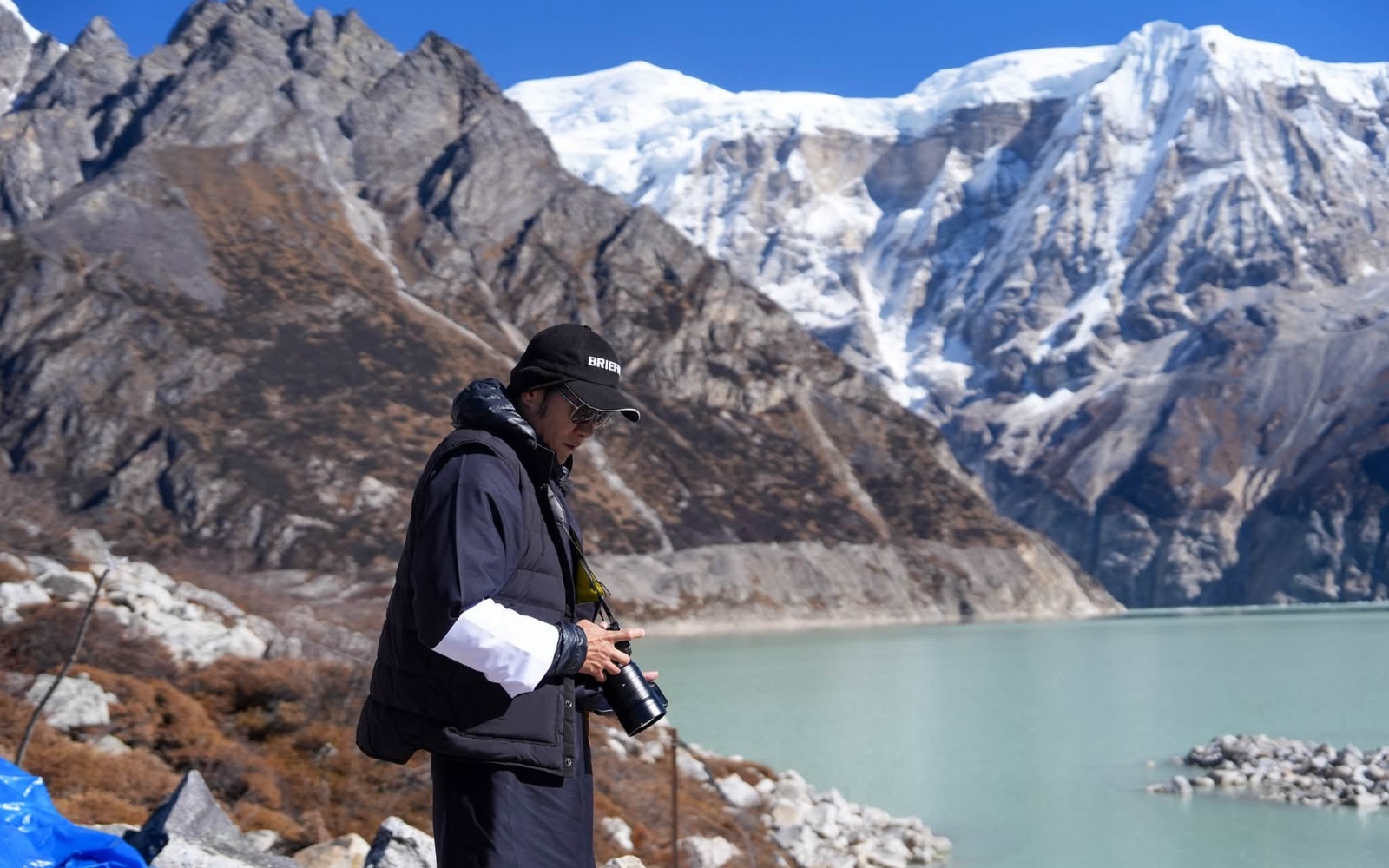
King Jigme Khesar Namgyel Wangchuck visited Bhutan’s northern glacial lakes on 13 November 2026 to review flood risks following the recent Shintaphu glacial lake outburst and assess the country’s monitoring and early-warning systems.
He was accompanied by Prime Minister Tshering Tobgay and glaciologist Karma Toeb of the National Center for Hydrology and Meteorology, or NCHM.
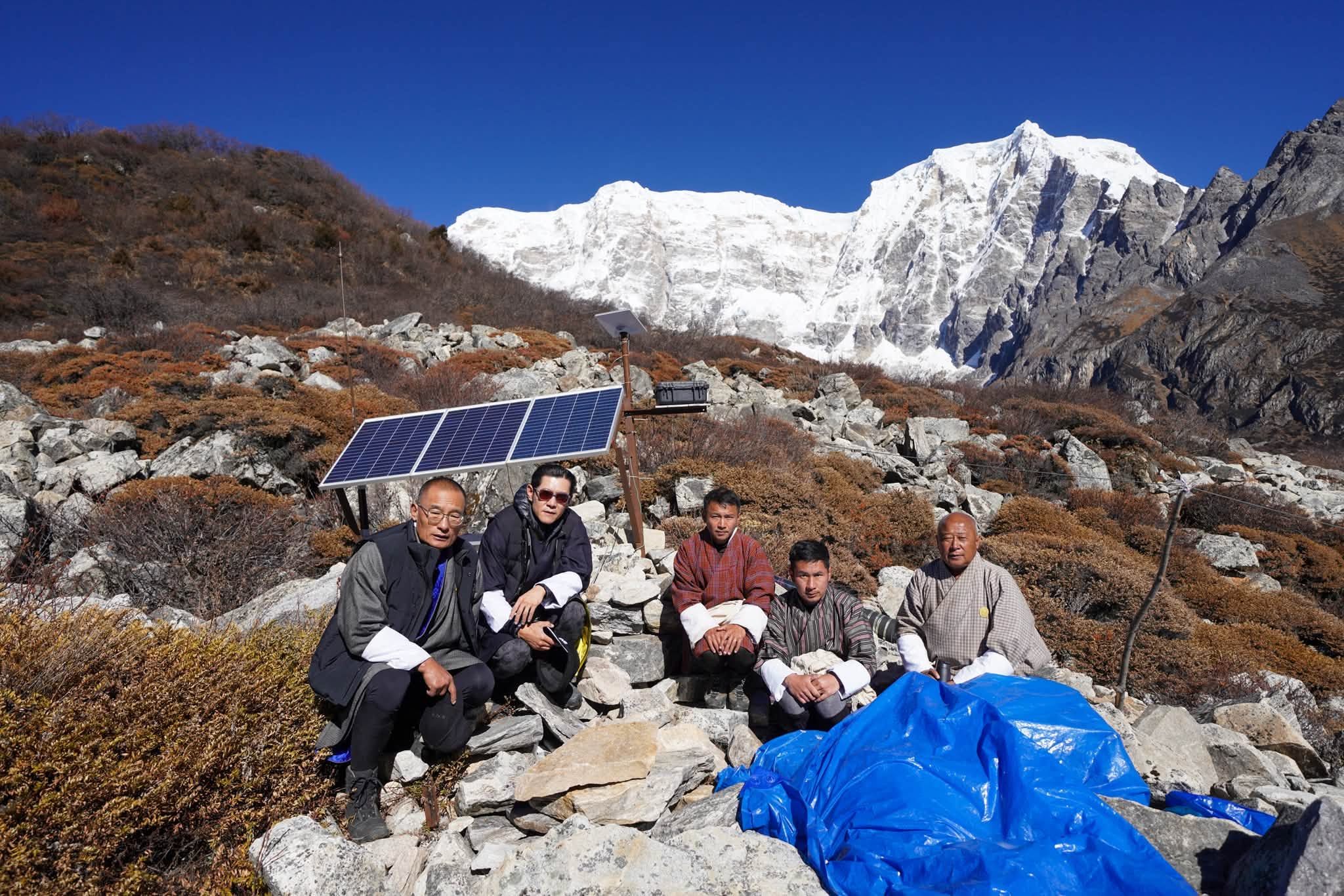
The visit covered Lunana and Laya, two remote highland areas in Gasa district in northwestern Bhutan. A glacial lake outburst flood, commonly called a GLOF, occurs when water stored near a glacier is released suddenly, potentially sending water, sediment and debris into downstream valleys.
Three High-Risk Lakes in Lunana
In Lunana, His Majesty surveyed Luggye Tsho, Thorthormi Tsho and Raphstreng Tsho. The three lakes are among those considered potentially dangerous because of their water volumes, unstable natural barriers and position above settlements and infrastructure.
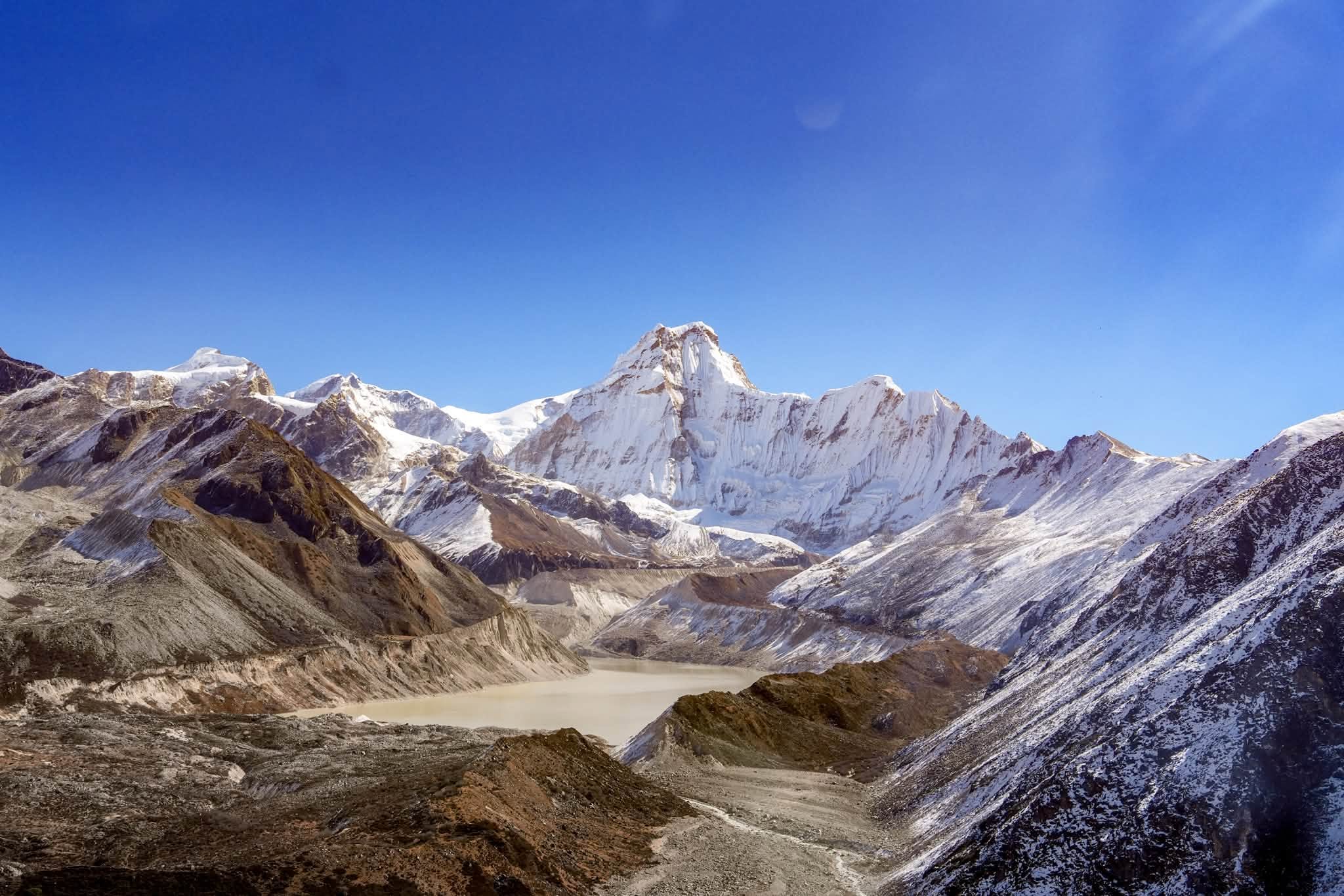
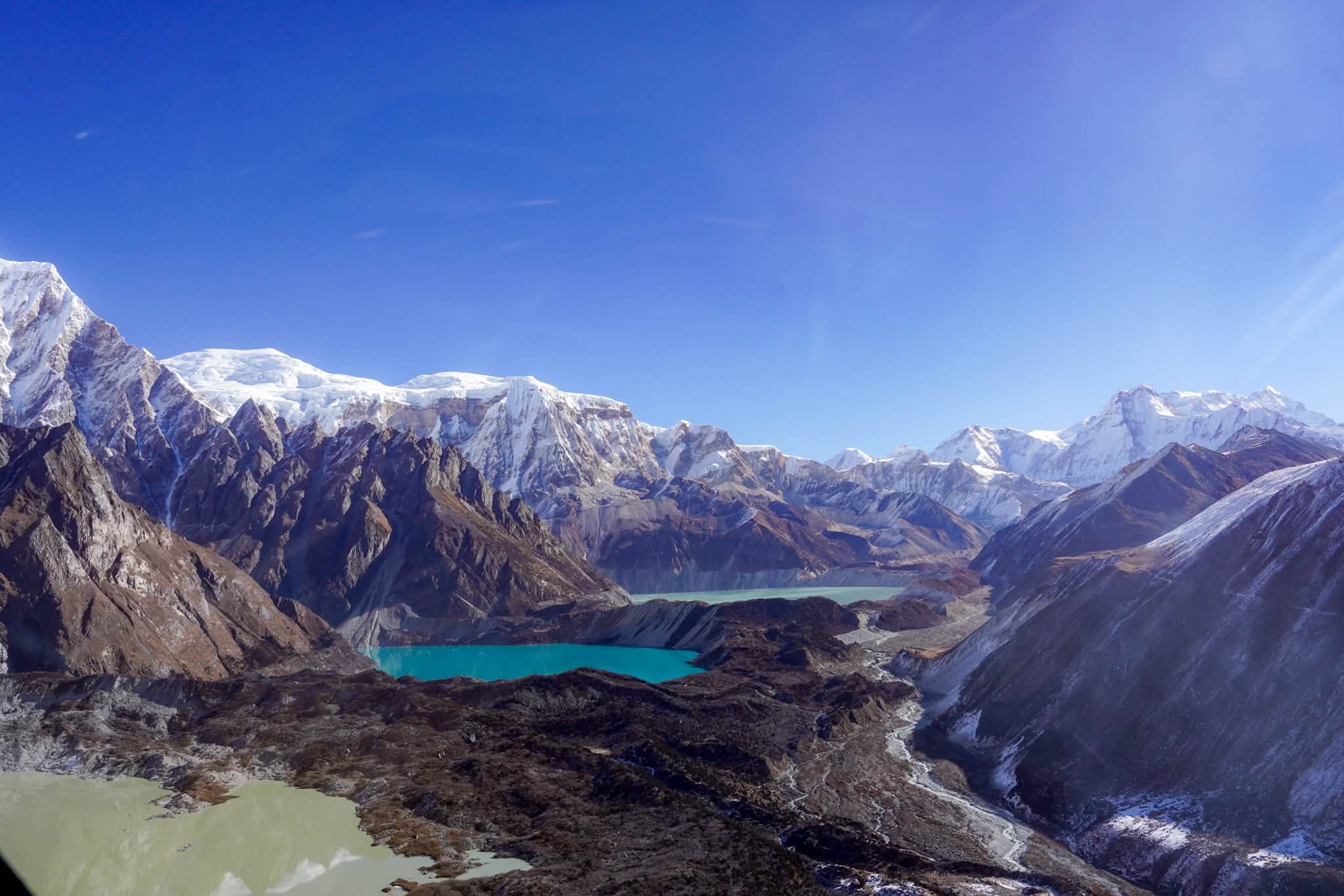 Beytsho (bottom), Rapstreng Tsho, and Thorthormi.
Thorthormi and Raphstreng are separated by a moraine composed of material deposited by glaciers. Experts are concerned that a failure at the higher Thorthormi Lake could send water into Raphstreng and increase the risk of a larger cascading flood.
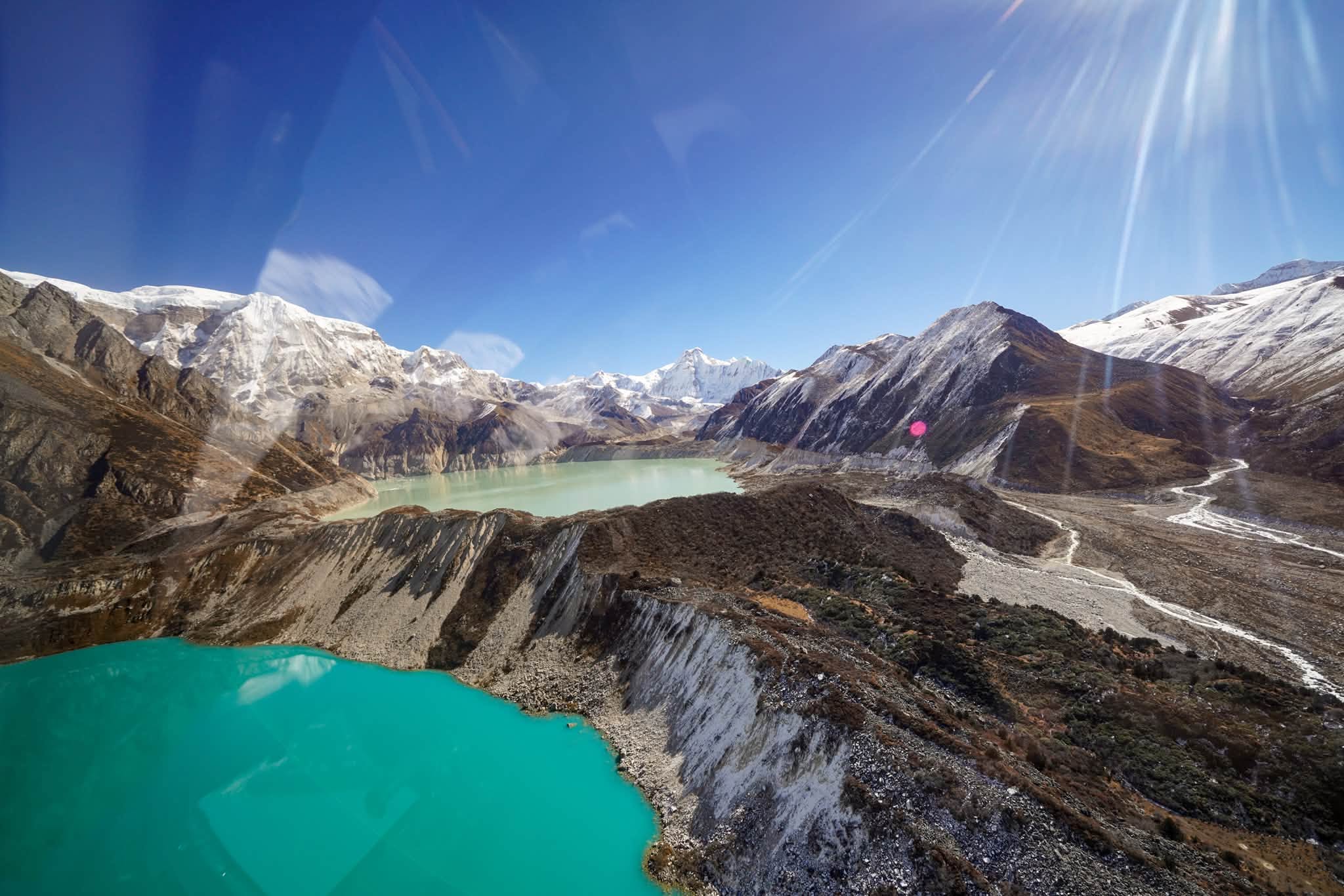
At Thorthormi, His Majesty offered prayers and granted a statue of Guru Rinpoche to be placed in Pelden Lhamoi Lhakhang in Tenchoe. A lhakhang is a Buddhist temple, while Guru Rinpoche is the eighth-century Buddhist master widely revered in Bhutan and across the Himalayan region.
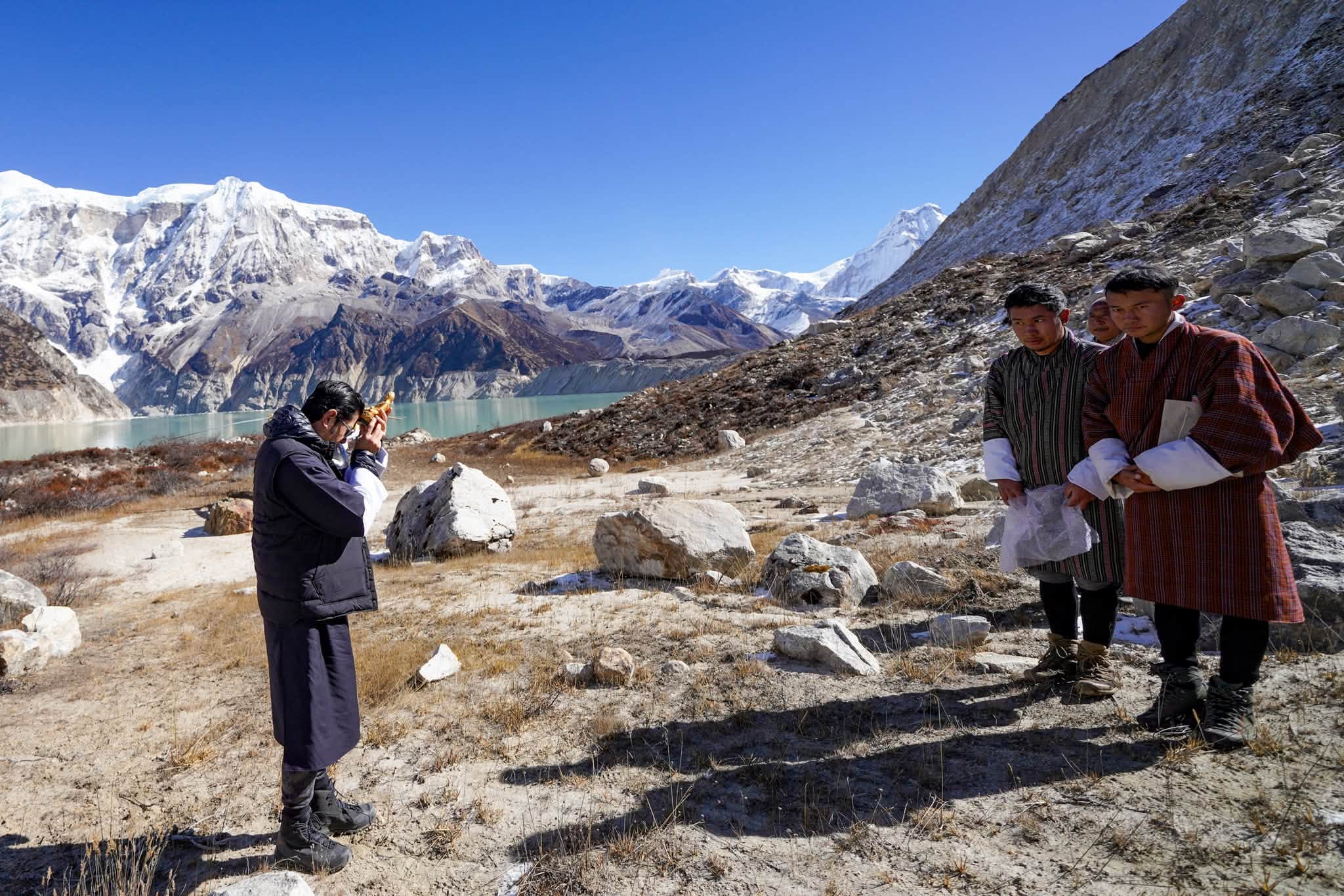
Monitoring an Unstable Mass Above Luggye Tsho
Luggye Tsho caused Bhutan’s most destructive recorded glacial lake outburst flood on 7 October 1994. The flood travelled along the Pho Chhu, killing 21 people and damaging homes, farmland and infrastructure downstream.
Experts are continuing to monitor the movement of an unstable mass near the lake. If a large volume of rock, ice or moraine material were to slide into the water, it could generate a powerful wave and force water over the lake’s natural barrier.
Such an event could affect connected lakes and send another flood into the Pho Chhu system. Monitoring the slope, lake level and outlet therefore remains an important part of assessing the continuing risk at Luggye Tsho.
Two Technicians Maintain Lunana’s Warning Network
His Majesty also met the two NCHM field technicians stationed in Lunana throughout the year.
Jigme Lhendup has worked in the area for close to seven years. Nidup Dorji joined him in 2025.
The technicians inspect early-warning equipment, assess lake conditions and monitor stations spread across the high-altitude landscape. Reaching the equipment can require hours of walking across rugged terrain in thin air and rapidly changing weather.
They transmit Thanza river-level readings and weather reports to NCHM headquarters every three hours. These observations help specialists identify unusual changes and support warning decisions for communities downstream.
Their work provides the human support behind an automated monitoring network. Sensors can record changing water levels, but keeping the system operational in a remote environment requires regular inspection, maintenance and direct observation.
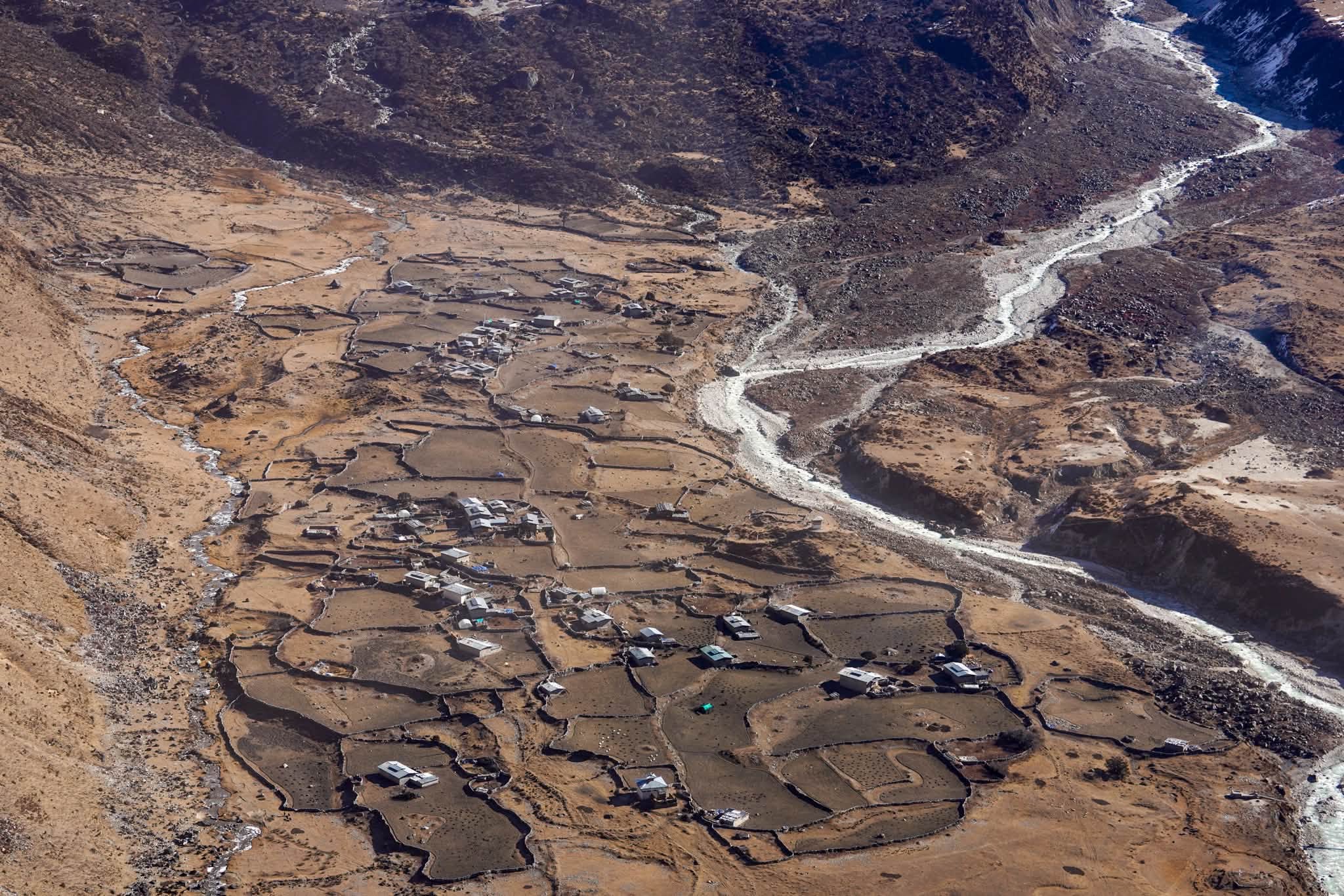 Thanza village.
Shintaphu Site Assessed After October GLOF
His Majesty also visited Shintaphu Tsho in Laya, where a GLOF occurred on the evening of 29 October. The lake is also written as Sintaphu Tsho in some reports.
The outburst sent water and debris through the Mo Chhu system, damaging roads, bridges and other public infrastructure in Gasa and Punakha. Gasa Tshachu, a well-known hot-spring complex, was washed away.
The visit assessed the condition of the affected lake system, any continuing risks and the protective measures required for communities and infrastructure downstream.
Post-flood concerns have included the water remaining in the glacial lake system and a new lake formed when debris blocked part of the river downstream. Continued field monitoring is needed to determine whether these features remain stable.
Check out the Shintaphu glacial lake outburst and its impact on Gasa for more information about the 29 October flood.
Early Warning Depends on People and Equipment
Bhutan’s 2026 glacial lake inventory recorded 620 lakes, including 17 classified as potentially dangerous. The country’s steep valleys mean that changes at high altitude can threaten communities, roads, cultural sites and hydropower infrastructure far downstream.
The visit placed attention on both the physical condition of the lakes and the people responsible for monitoring them.
For Bhutan, reducing glacial flood risk will require continued scientific assessment, reliable communications, maintained warning equipment and clear evacuation planning. The work of the two technicians in Lunana shows that preparedness begins long before an alarm sounds, through observations collected every day in one of the country’s most difficult environments.
Check out Bhutan’s work to reduce the flood risk at Thorthormi Lake for more information about lake drainage trials and early-warning improvements.