-
Sep 21, 2026
- by Ashley Chen
How the Restoration of an 18th-Century Temple Is Helping Preserve Nobgang's Heritage
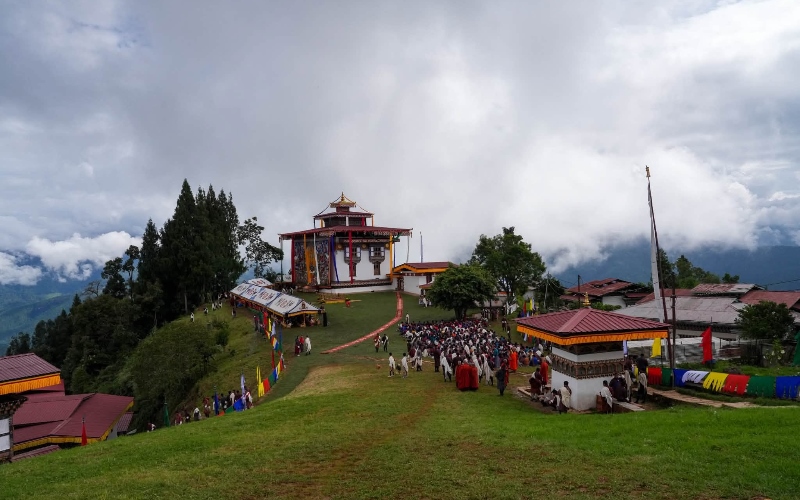
Bhutan's Royal Family attended the consecration of the restored Pelri Dorjidhen Tsulakhang in Nobgang, Punakha, as part of wider efforts to conserve the historic village and its distinctive cultural landscape.
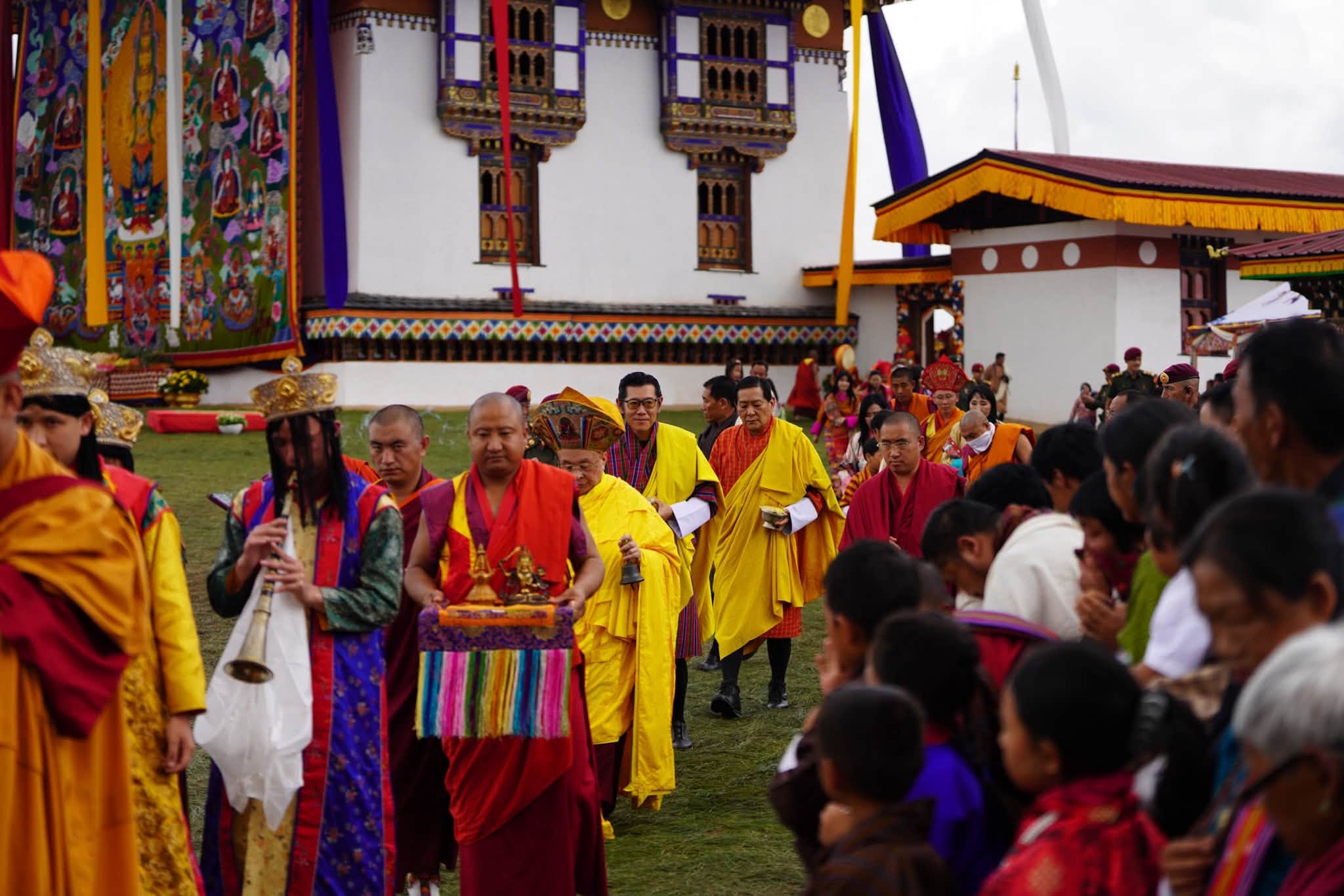
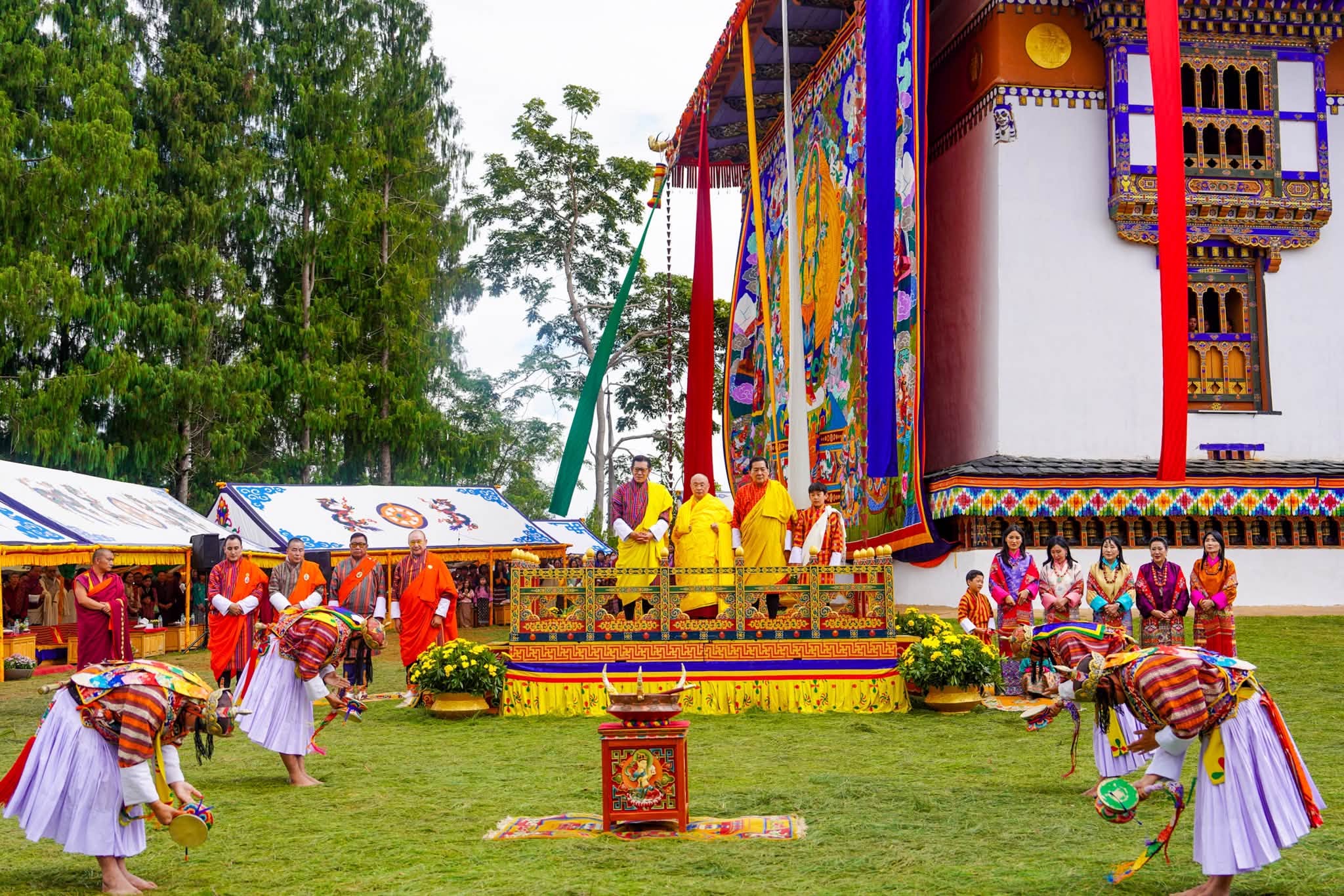
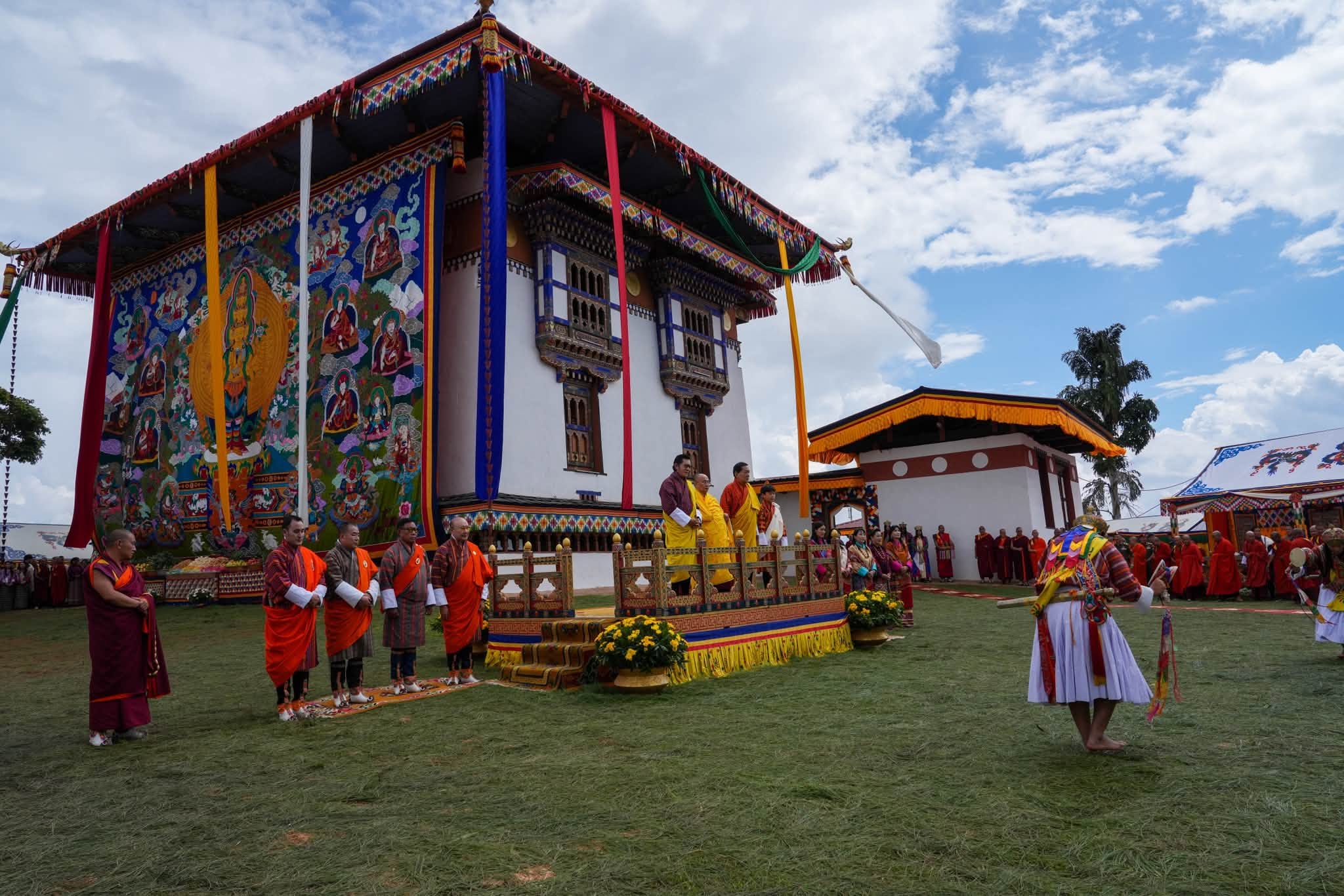
His Majesty King Jigme Khesar, the Fourth King, The Queen, the Queen Mothers, and members of the Royal Family attended the consecration of Pelri Dorjidhen Tsulakhang in Nobgang, Punakha, on 16 September 2026.
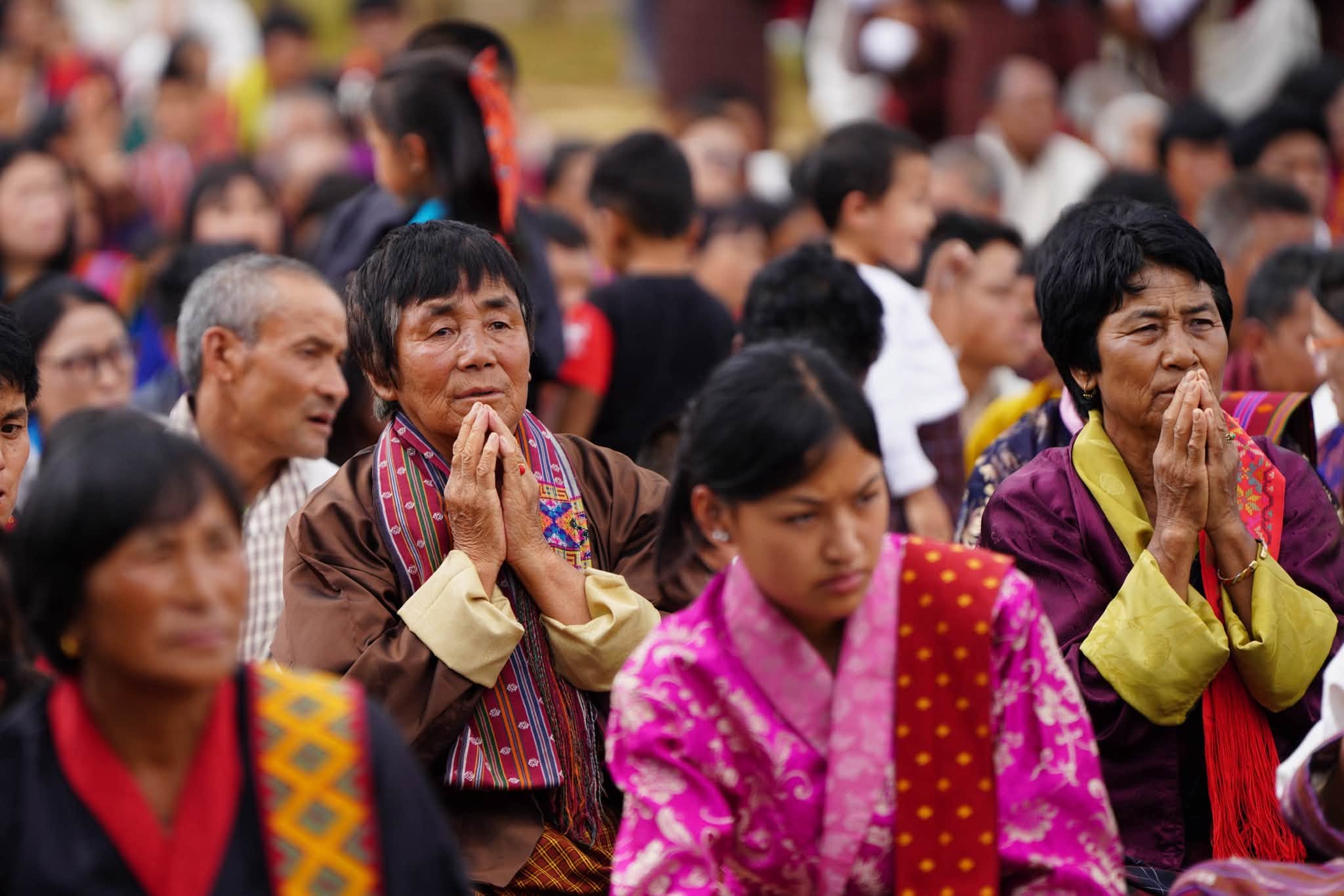
The consecration was presided over by the Chief Abbot of Bhutan and attended by senior officials and people from Nobgang, Talo and neighbouring communities.
The ceremony followed an extensive renovation of the historic religious complex and forms part of a wider effort to preserve Nobgang's cultural heritage while supporting the community that continues to live around it.
An 18th-century religious centre
Pelri Dorjidhen Tsulakhang was established by Sakya Rinchen, the 9th Chief Abbot of Bhutan, in the 18th century.
The history of the temple is closely connected to the development of Nobgang itself. Bhutan's official Cultural Heritage Sites database states that the community was established during the time of Sakya Rinchen and that the settlement grew around the temple.
According to historical accounts recorded, monks and lay practitioners built hermitages around the temple so they could receive teachings and undertake retreats and meditation. Over time, these dwellings became permanent homes and the community developed into the village seen today.
The earlier name Norbugang means "Gem Hill". Over time, Norbu was shortened in pronunciation to Nob, giving the village its present name, Nobgang.
Restoring the religious complex
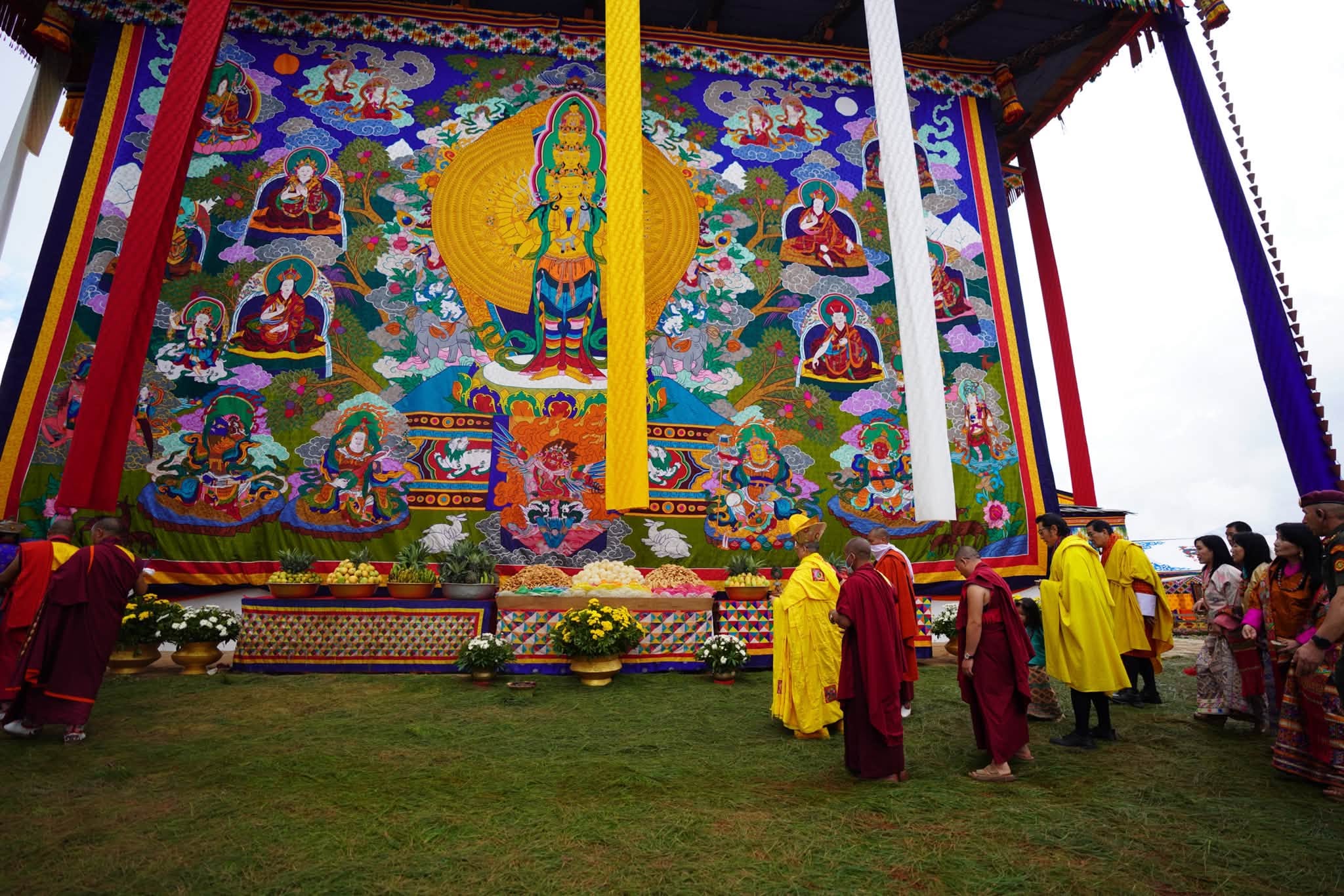
The recent renovation covered two lhakhangs, the Tsulakhang and Zimchung Gom, and was sponsored by Yum Thuji Zam.
The Gyalyum Charitable Trust, under the patronage of Queen Mother Sangay Choden Wangchuck, contributed funds towards the conservation of thangkas and textiles at the site.
Thangkas are religious paintings, usually created on cloth, that are used within Himalayan Buddhist traditions. Their conservation is therefore part of preserving both the artistic and religious heritage held within the complex.
The restoration was undertaken as part of the Nobgang Cultural Site Stewardship Plan, spearheaded by the Department of Culture and Dzongkha Development under the guidance of Queen Mother Tshering Yangdoen Wangchuck.
What makes Nobgang distinctive
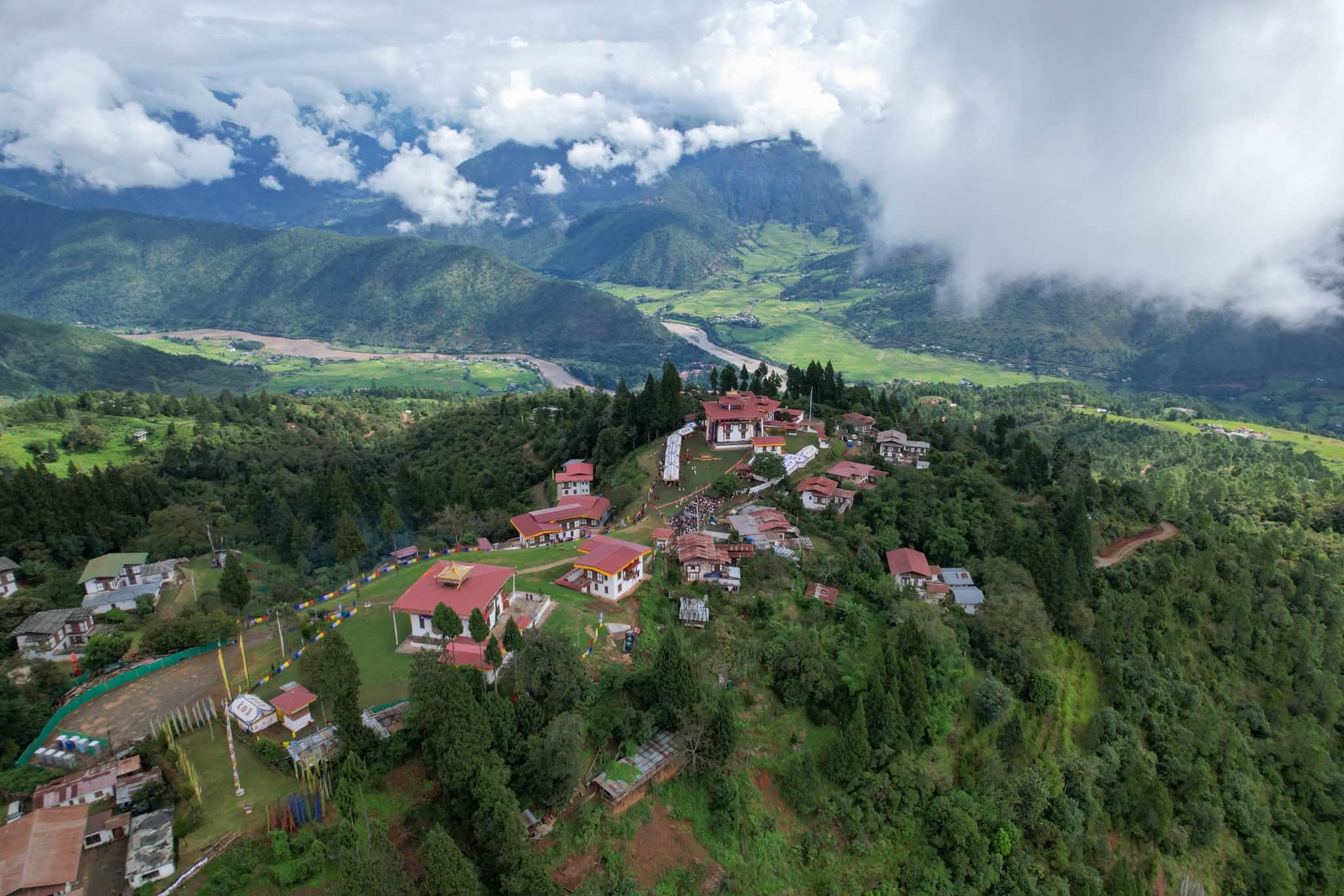
Nobgang has been identified by the Department of Culture and Dzongkha Development as an important cultural site because of its historical and cultural significance.
One of its defining features is a traditional house design known locally as Kabu-Dharcham. The Department identifies this architectural form as one of the characteristics that gives Nobgang its distinct cultural identity.
The village's significance, however, extends beyond individual buildings. Its religious sites, traditional homes and settlement history are closely connected, making the wider cultural landscape an important part of conservation efforts.
An earlier disaster risk management study prepared by a conservation architect from Bhutan's Department of Culture identified five elements that contribute to Nobgang's heritage value. These include its cultural landscape and natural surroundings, Kabu-Dharcham architecture, links to important historical figures, traditional agricultural practices and its location in Punakha.
Conservation with the community at its centre
The Nobgang initiative goes beyond restoring historic structures.
According to the Department of Culture and Dzongkha Development, the stewardship plan was conceived with a vision of creating "a vibrant and self-sustained Nobgang community". The Department describes it as the country's first stewardship plan for the protection and management of a cultural site, with Nobgang serving as a pilot programme centred on community participation in heritage management.
The plan seeks to protect the village's cultural character while creating economic opportunities for residents and strengthening the local economy through cultural resources and community-owned enterprises.
One initiative involved restoring an old Kabu-Dharcham house and adapting it into a traditional restaurant to be managed by the community. The Department says the house can be seen in a photograph taken by British political officer and photographer John Claude White in 1905.
A group of households subsequently formed the Nobgang Tsherim Group to manage the restaurant, which had a soft opening in October 2021.
The stewardship programme has also worked to develop local products associated with Nobgang, including ezzay nyergum and maekhu, as part of efforts to create economic opportunities linked to the village's cultural identity.
Preserving a living cultural landscape
The restoration of Pelri Dorjidhen Tsulakhang therefore sits within a larger approach to heritage conservation in Nobgang.
Rather than treating the temple, traditional houses and village community as separate elements, the stewardship plan recognises their connection within the same cultural landscape.
For Nobgang, the conservation of Pelri Dorjidhen Tsulakhang preserves a religious centre around which the community itself developed. At the same time, the wider stewardship programme is working to ensure that the village remains a living community while retaining the architecture, traditions and historical character that make it distinctive.
The consecration of the restored temple marks the completion of an important part of that continuing effort to safeguard Nobgang's cultural and religious heritage.