-
Nov 03, 2026
- by Ashley Chen
New Laya Camp by Zhiwaling Combines Highland Tourism With Hospitality Training
Zhiwaling has opened a ten-tent camp in Laya, combining highland experiences with hospitality training and employment for De-suung members.
Zhiwaling, a Bhutanese-owned hospitality group with established hotels in Paro and Thimphu, has opened a new tented camp in Laya, one of the country’s highest permanent settlements.
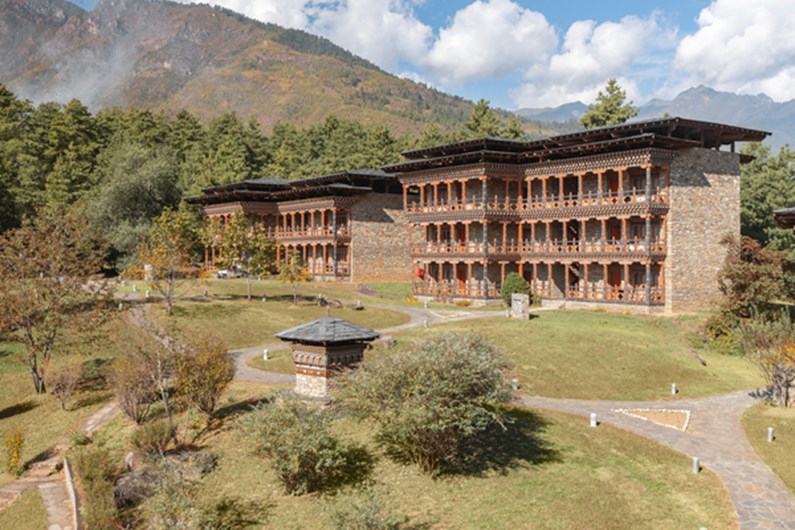
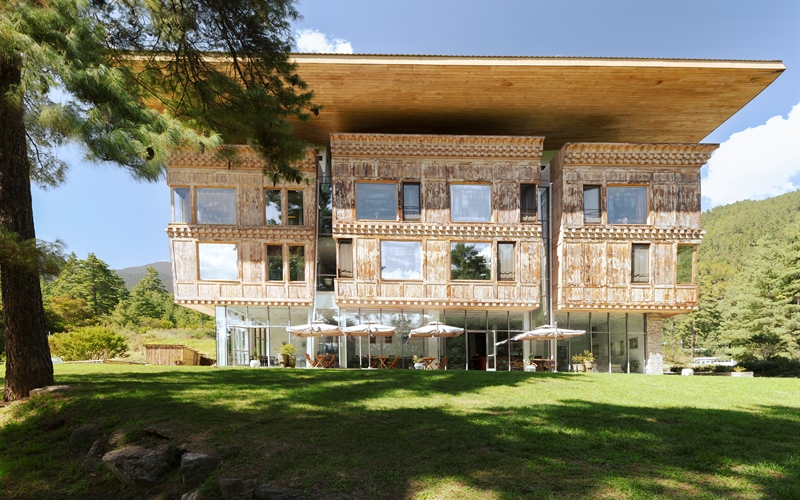
The group operates Zhiwaling Heritage, a Bhutanese-designed hotel in Paro that opened in 2005, and Zhiwaling Ascent, a 20-room contemporary property in Thimphu.
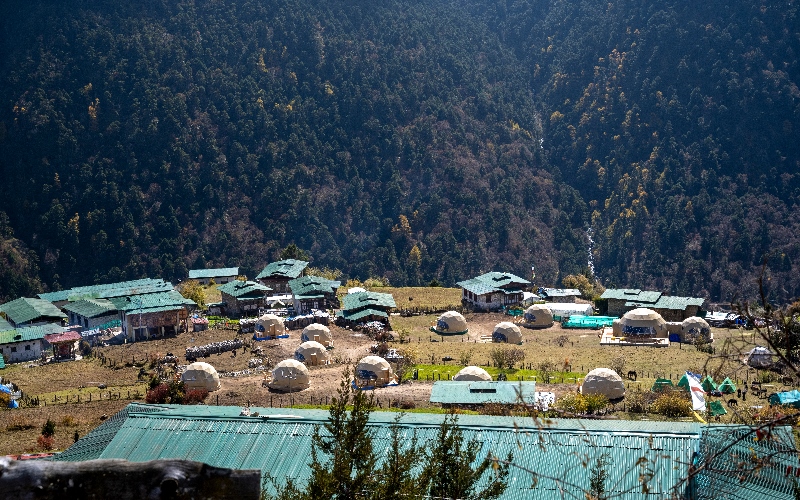
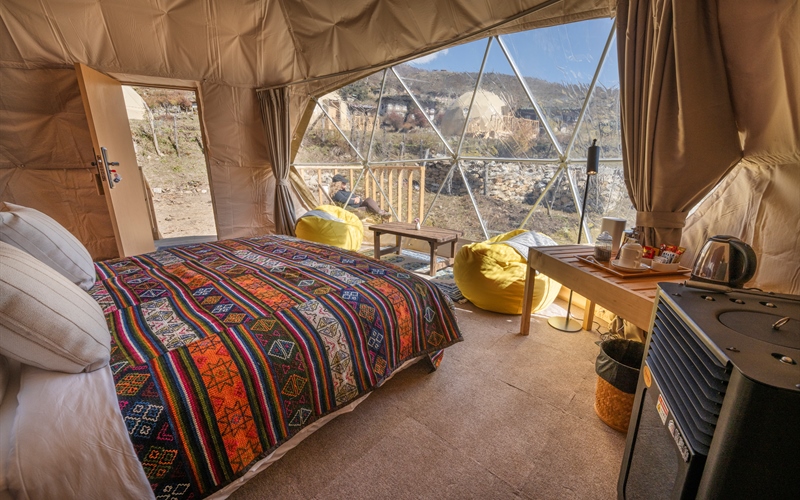
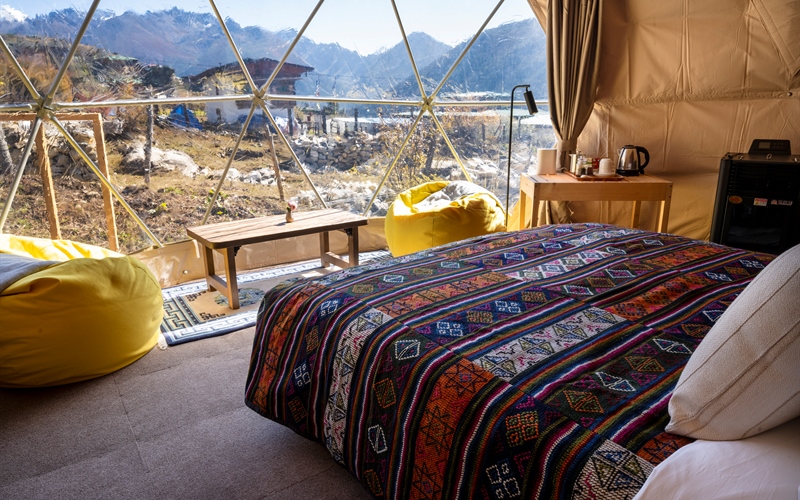
Its new Laya Camp extends the group’s operations into Gasa district in northwestern Bhutan. The camp has 10 geodesic tents and offers guided experiences centred on highland culture, walking and the surrounding mountain landscape.
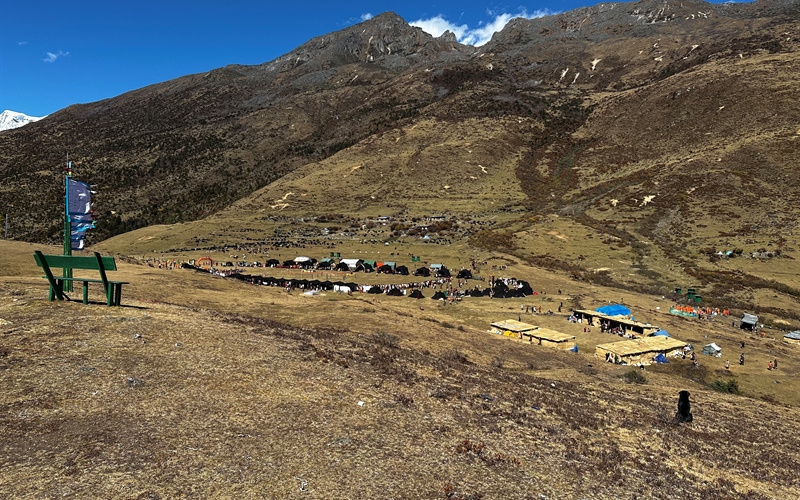
The camp welcomed its first guests during the Royal Highland Festival on 23 and 24 October 2026. Bookings are now open for stays of at least three nights.
Laya Camp at a Glance
| Detail | Information |
|---|---|
| Location | Laya, Gasa district |
| Accommodation | 10 geodesic tents |
| Access | Approximately two hours on foot from the road access point |
| Minimum stay | Three nights |
| First guests | Royal Highland Festival, October 2026 |
| Operator | Zhiwaling |
| Collaboration | De-suung |
Accommodation in a Remote Highland Community
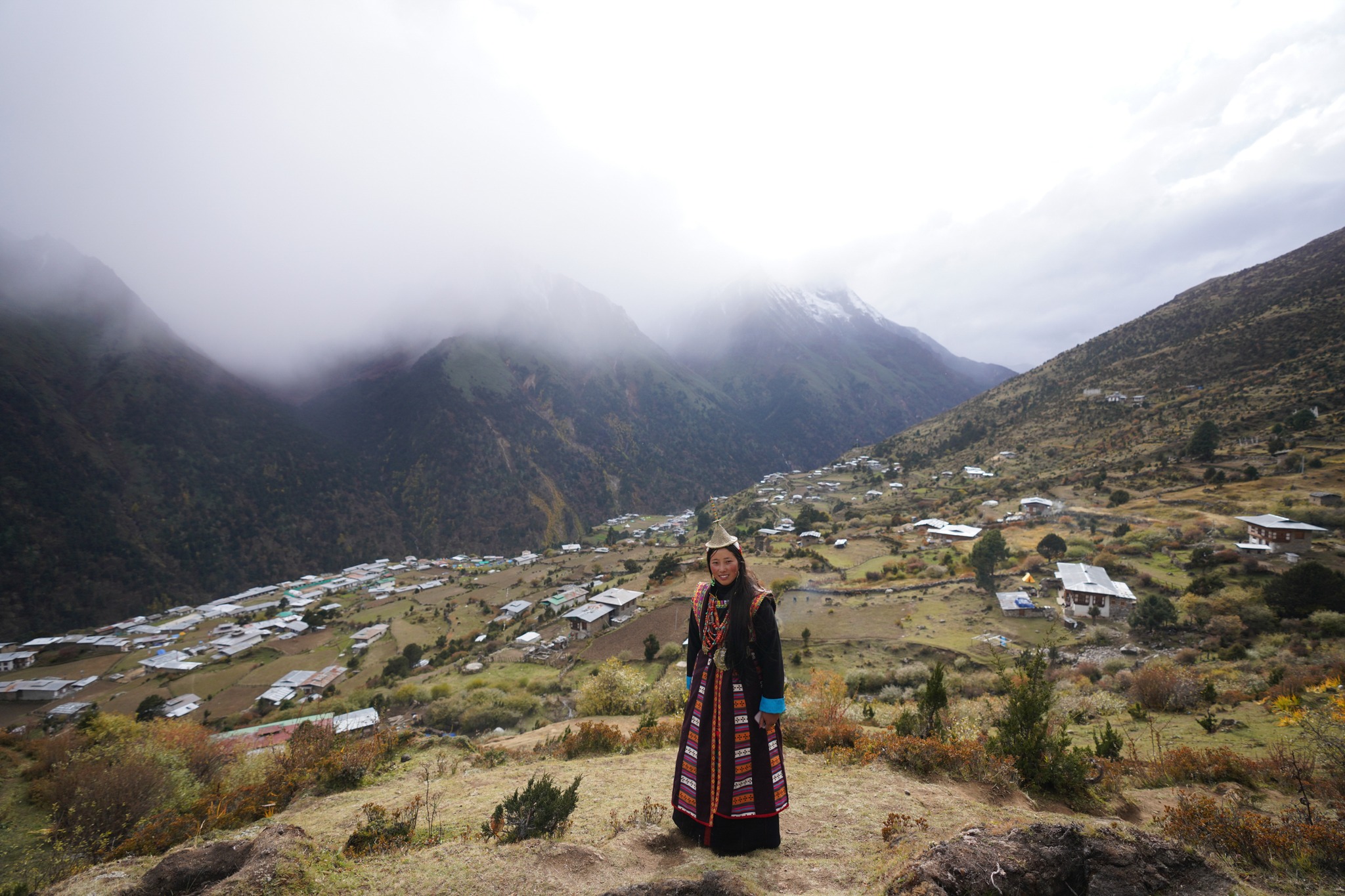
Laya is a highland settlement located at about 3,800 metres above sea level. Its residents, known as Layaps, have a distinctive cultural identity shaped by livestock herding, mountain agriculture, textile production and the seasonal use of alpine landscapes.
Visitors have traditionally stayed in local homestays or temporary trekking camps. Zhiwaling describes its new property as the first glamping-style accommodation of its kind in Laya.
The camp currently consists of 10 geodesic tents, providing a small accommodation base rather than a large resort development.
Its minimum three-night stay gives visitors time to adjust to the altitude, explore nearby trails and spend more time in the community. A longer stay may also allow tourism spending to reach local communities, food producers, artisans and other businesses.
Reaching the Camp Requires a Hike
Guests reach the camp after an approximately two-hour walk from the road access point. This does not include the longer journey to the Laya area from Bhutan’s main western towns.
The final approach allows visitors to enter the highland settlement on foot. Travellers should be prepared for steep or uneven sections, high altitude and mountain weather that can change quickly.
Laya also lies within the wider Laya-Gasa trekking region, which connects several mountain communities and high passes in northern Bhutan. The full trekking route is considerably more demanding than the shorter approach to the camp.
Visitors should plan sufficient time for acclimatisation and confirm seasonal trail, transport and weather conditions before travelling.
Experiences Introduce Guests to Highland Life
The camp plans to offer experiences involving weaving, foraging and cooking alongside members of the local community. Guests can also walk through the surrounding landscape and explore mountain viewpoints.
These activities are intended to introduce visitors to aspects of daily life in Laya rather than provide entertainment detached from the community.
The camp opened during the 2026 Royal Highland Festival, an annual celebration of Bhutan’s highland communities, livestock traditions and local products.
The 2026 festival also saw Bhutan declare 23 October as National Yak Day and launch the Himalayan Yak Herders’ Network. The regional platform connects herding organisations in Bhutan, India and Nepal.
De-suung Partnership Adds Training and Employment
The camp was developed through a collaboration between Zhiwaling and De-suung, Bhutan’s national volunteer service. De-suung members are widely known as Guardians of Peace.
The programme was established to prepare Bhutanese citizens for voluntary service during emergencies, public events and community initiatives. Its work has since expanded to include vocational training through the De-suung Skilling Programme.
At the Laya camp, the collaboration brings together hospitality operations, skills development and employment opportunities for De-suups, the programme’s members.
Operating a camp in Laya requires different skills from managing a conventional hotel. Staff must work in a high-altitude environment with limited access while managing guest services, food supplies, energy, waste and emergency preparedness.
The project could provide participants with practical experience in remote hospitality and nature-based tourism.
Zhiwaling Hotels Receive MICHELIN Keys
The Laya Camp opening follows international recognition for Zhiwaling’s two established properties.
Zhiwaling Heritage in Paro and Zhiwaling Ascent in Thimphu are both listed with One MICHELIN Key in the MICHELIN Guide’s 2026 global hotel selection.
The MICHELIN Key is the Guide’s distinction for hotels. One Key denotes what the Guide describes as “a very special stay”.
Bhutan has five properties in the 2026 MICHELIN Key selection. Zhiwaling Heritage and Zhiwaling Ascent are among the Bhutanese-owned hotels recognised.
Zhiwaling Heritage combines Bhutanese architecture, traditional craftsmanship and locally made furnishings with a close-knit, family-like workplace culture. That sense of continuity is reflected in long-serving team members such as Rinzin Lhamo who joined before the hotel welcomed its first guests and remained with the property as it celebrated its 20th anniversary in 2025.
Zhiwaling Ascent is located in the hills above Thimphu and combines contemporary design with Bhutanese textiles, furnishings and locally sourced food.
A Small-Scale Addition to Highland Tourism
Laya Camp introduces a new accommodation option to an area where tourism has largely centred on trekking, homestays and the annual Royal Highland Festival.
Its 10 tents keep the development relatively small while allowing visitors to stay longer and experience Laya with greater comfort and support. This careful scale could help the camp grow without overwhelming the community or its high-altitude environment.
A camp that helps visitors understand the region while supporting the people who care for it could give this small project a value far beyond its 10 tents.