-
Nov 27, 2026
- by Ashley Chen
Passion and Purpose: Reviving Bhutan’s Traditional Grains
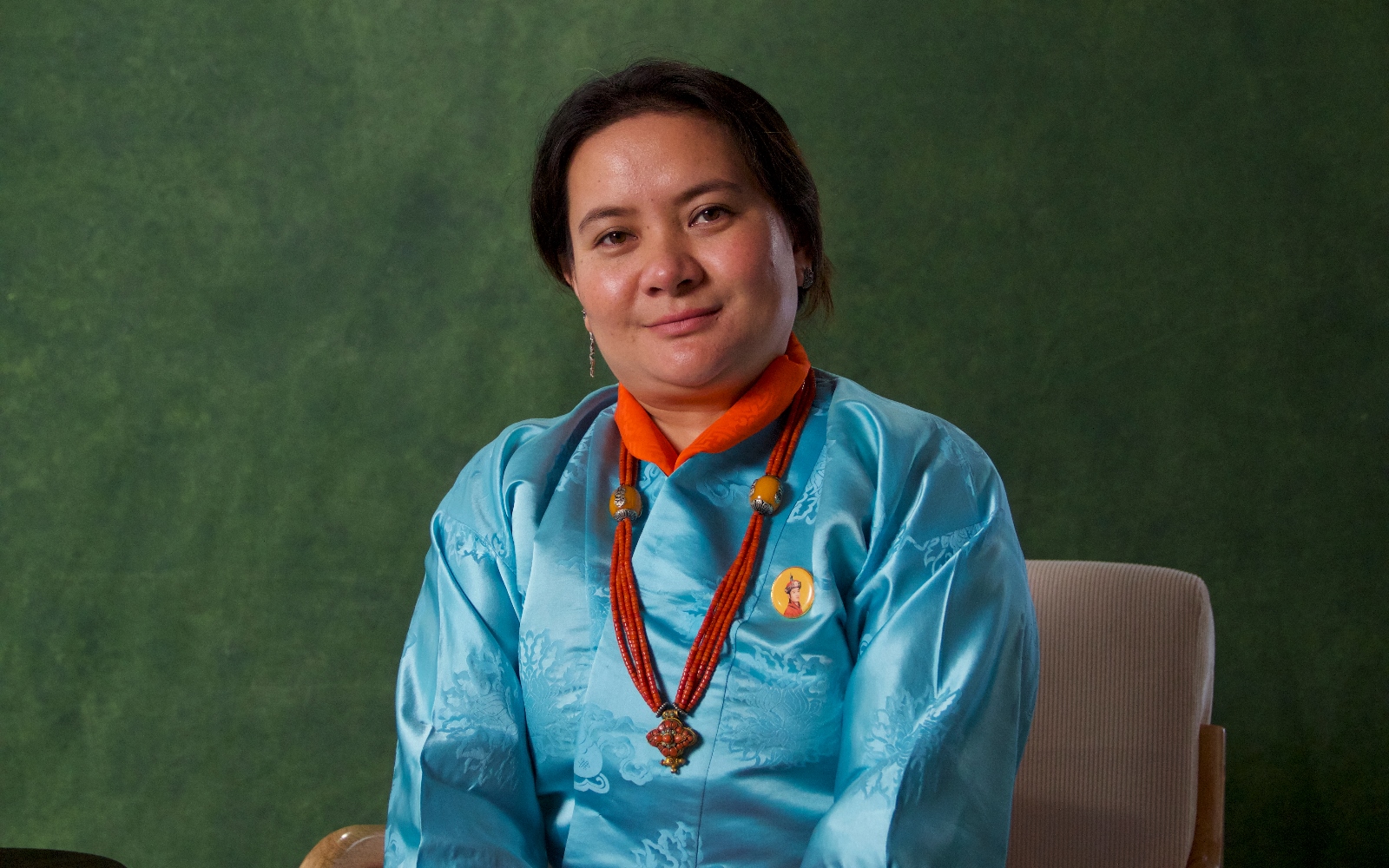
Bhutanese entrepreneur Pema Lhadon explains how Shaoulee Food Products supports farmers, creates opportunities for women and gives traditional grains a modern future.
1. What led you to start Shaoulee in 2013?
Shaoulee started in 2013 with a simple idea: to create something meaningful using what Bhutan already has.
My journey into food processing was also influenced by my mother. She learned to make tofu from Japanese experts who came to Bhutan through Japan International Cooperation Agency (JICA), and I learned it from her. That was one of my earliest inspirations.
At the time, I began noticing a gap between what our farmers were growing and what was reaching our markets. Bhutan has incredible agricultural potential, traditional food knowledge and diverse indigenous crops, but farmers often struggled to find reliable markets.
I felt there was an opportunity to connect these pieces — farmers, food processing and consumers.
What started as a small processing unit with a few farmers, producing tofu, miso and kimchi, gradually developed into something much bigger.
Today, Shaoulee is not just about producing food. It is about creating opportunities for farmers, empowering women, preserving our food heritage and contributing to a more self-sufficient Bhutan.
2. What were the hardest challenges in the early years?
I think one of the biggest challenges was trying to introduce something that people were not very familiar with.
We were working with products and food concepts that were not necessarily part of mainstream consumption. Convincing consumers, building a market and changing food habits took time.
Access to finance, limited processing infrastructure, high production costs and competition from imported products were also major challenges.
Another challenge was working with farmers. Agriculture is seasonal, production volumes are often small, and ensuring consistent quality and supply requires a lot of coordination.
There were many moments when things did not go as planned. But I learned that building a business, especially one connected to agriculture and social impact, requires patience and persistence.
We are still learning, and some of those challenges continue today. But they have also shaped the kind of enterprise Shaoulee has become.
3. Why focus on grains like millet, buckwheat, amaranth, barley and maize?
Because I believe Bhutan does not lack agricultural potential. What we often lack is the connection between agricultural production, value addition and markets.
These grains are part of our agricultural heritage. They are nutritious, culturally important and, in many cases, well adapted to our local growing conditions.
However, as food habits change and imported foods become more accessible, many traditional crops are gradually disappearing from our plates and, in some places, from our fields.
I see enormous potential in these crops, not just as traditional foods but as ingredients for modern, innovative food products.
For example, we can transform local grains into noodles, flour, snacks and other convenient products that appeal to younger generations and modern consumers.
For me, this is about more than product development. It is about creating demand for what our farmers grow, preserving biodiversity, encouraging climate-resilient agriculture and strengthening our local food system.
I want people to realise that traditional crops are not outdated. They are part of our future.
4. How does Shaoulee work with farmers?
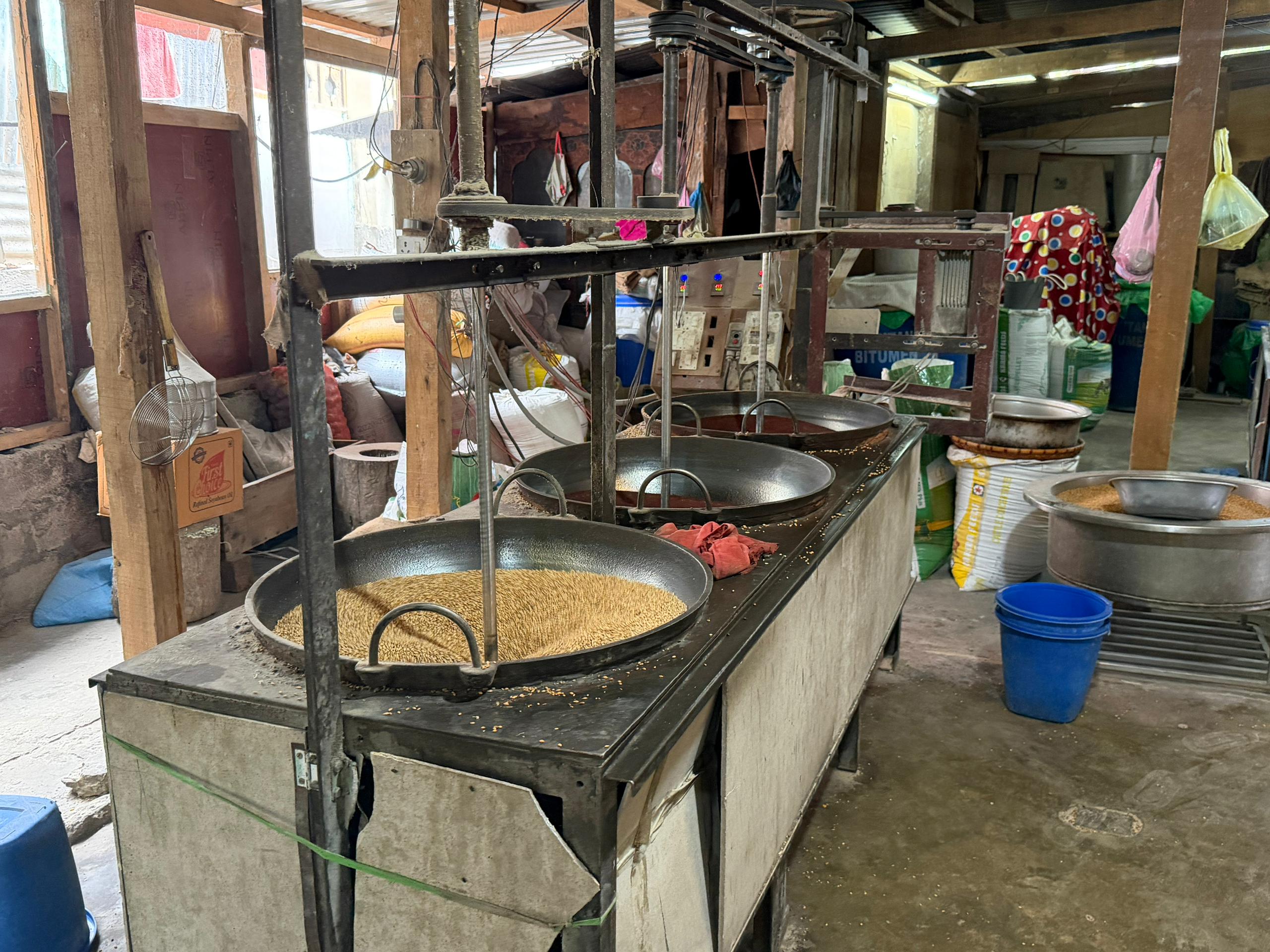
Our approach is to connect farmers with markets.
We work with farmers and farming communities to identify crops with potential, understand their production capacity and explore opportunities for value addition.
Where possible, we buy directly from farmers at fair prices, helping them find a market for their produce rather than leaving them entirely dependent on uncertain market opportunities.
We also work with communities and local institutions to explore business-to-business opportunities, identify indigenous crops and develop products based on what communities can grow.
For example, we have explored opportunities around cassava, soybean, traditional sugar syrup and indigenous grains in different parts of Bhutan.
I believe the relationship should not be one-sided. We cannot simply ask farmers to grow something without understanding whether there is a market for it.
We need to work backwards from the market, understand consumer demand and then connect that demand to farmers.
Ultimately, I want Shaoulee to become a stronger bridge between farmers and consumers.
5. Who works at Shaoulee, and why does that matter to you?
The people behind Shaoulee are a very important part of our story.
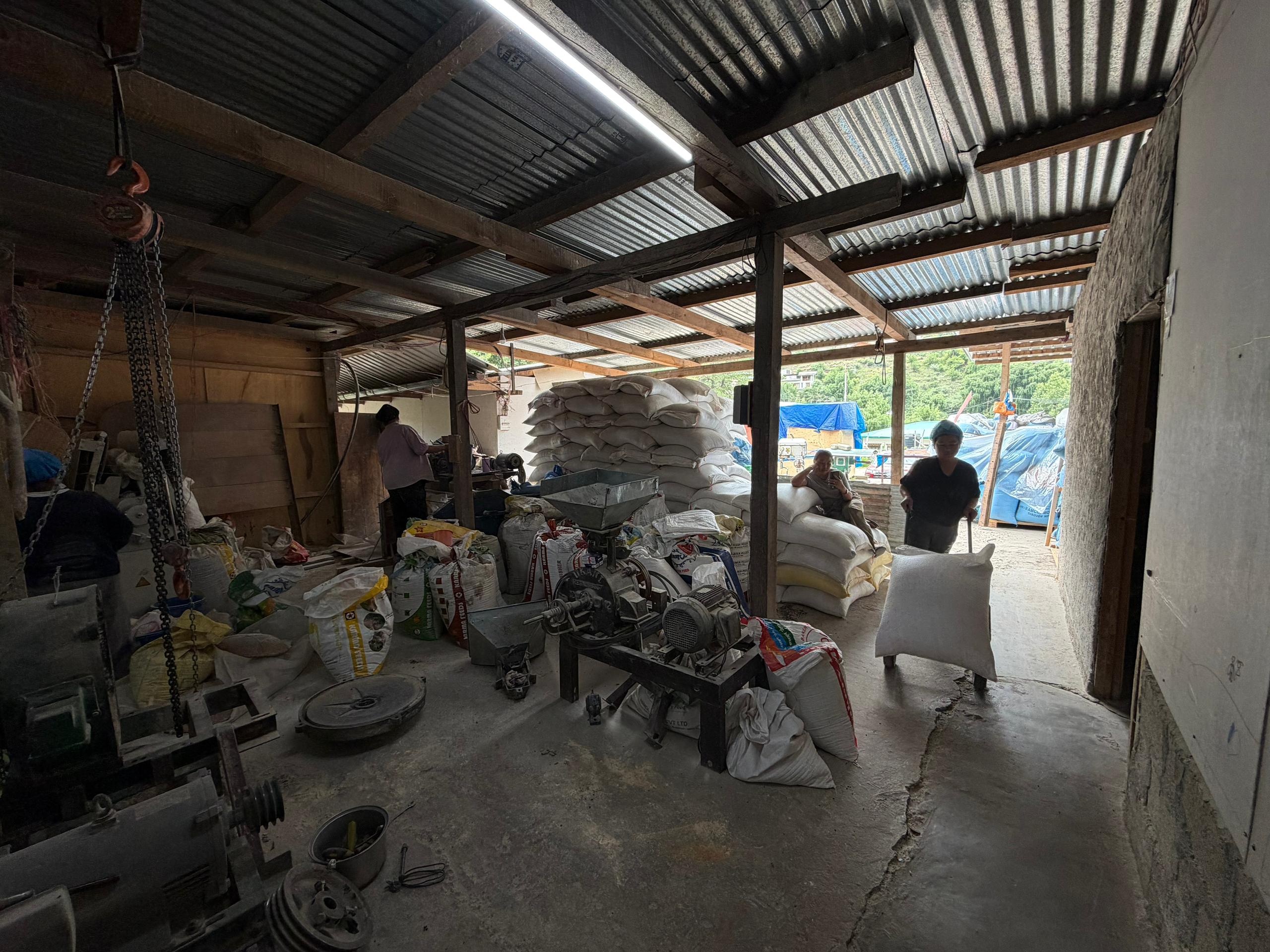
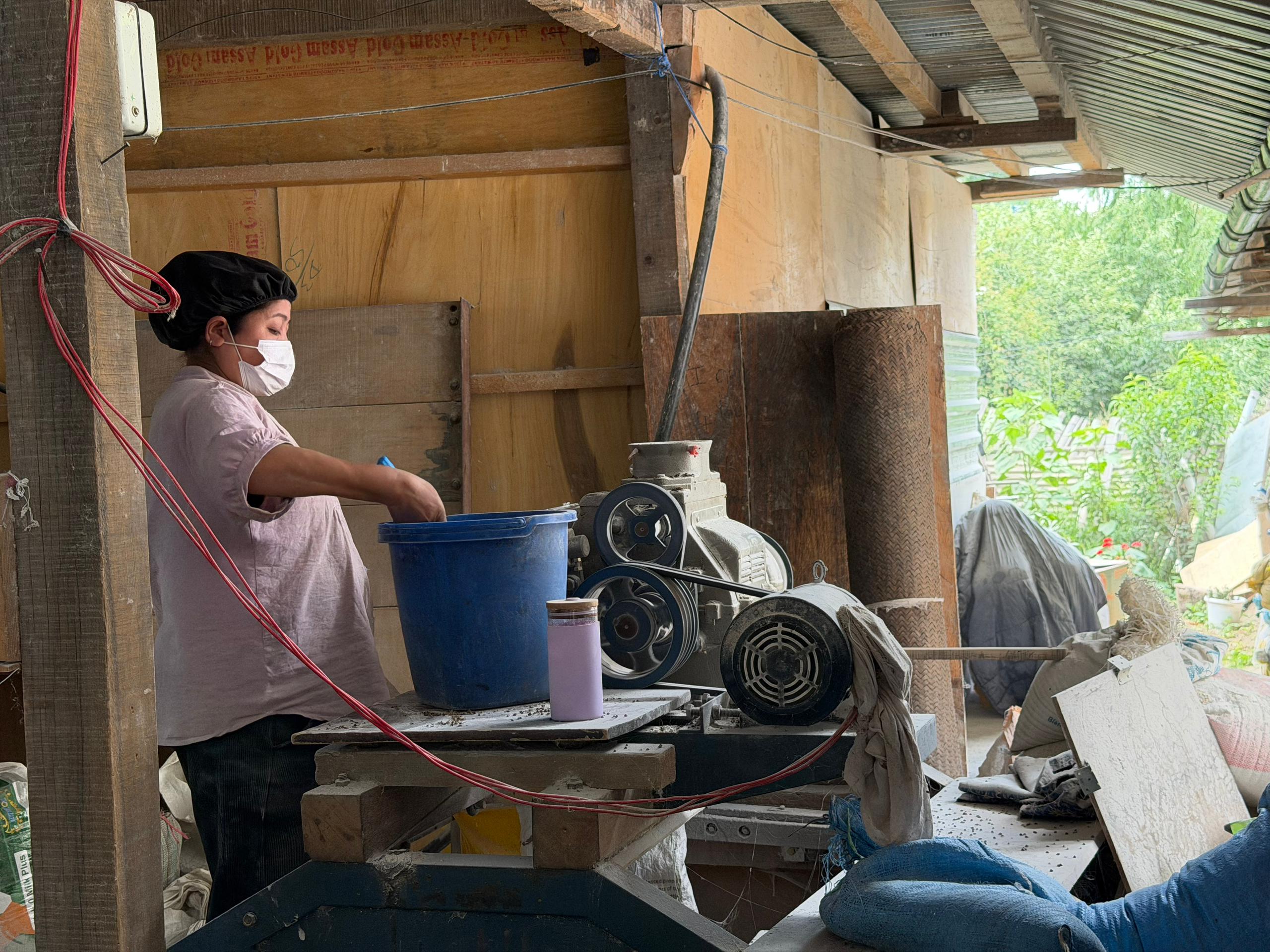
We have women working in different aspects of our food processing operations, and creating employment opportunities for women has always been close to my heart.
For me, employment is not simply about providing someone with a job. It is about creating an opportunity for someone to earn an income, develop skills, gain confidence and contribute to their household and community.
I believe women are not just beneficiaries of development; they are active contributors to economic development.
When we create opportunities for women in food processing, we are also creating opportunities for their families and communities.
I want Shaoulee to grow in a way where the people working with us grow too.
6. What changes have you seen in farming communities?
One of the things I have come to understand is that farmers are not necessarily lacking the willingness or ability to produce. Very often, they lack reliable markets and the assurance that someone will buy what they grow.
Through our engagement with farming communities, I have seen how important market linkages can be.
When farmers know there is a potential buyer for their produce, it gives them a reason to continue cultivating crops that might otherwise be abandoned.
I have also seen renewed interest in indigenous crops and the potential to bring traditional agricultural knowledge back into the conversation.
However, I would not say that we have transformed entire farming communities. We are still a small enterprise, and there is much more work to do.
What gives me hope is seeing the possibilities. Even a small market opportunity can make a difference to a farming household.
I want to see more farmers move from simply producing raw agricultural commodities to becoming part of a stronger value chain where they receive greater value for what they grow.
7. What does winning the Bayer Foundation Award mean for you and for Shaoulee?
Winning the Bayer Foundation Award is a very meaningful recognition, both personally and for Shaoulee.
For me, it is an encouragement that the work we have been doing over the years matters and that the challenges we are trying to address are relevant beyond Bhutan.
It has also given us an opportunity to connect with a wider ecosystem of people, organisations and impact-driven entrepreneurs who are working towards similar goals.
But I see this recognition as more than an award. It is a responsibility.
Shaoulee is still a small enterprise, and we have many limitations in terms of finance, infrastructure, technology and production capacity.
What I hope this recognition will help us do is move beyond operating at a small scale and build stronger systems — systems that can connect more farmers to markets, create more employment opportunities for women and develop greater value from Bhutan's agricultural resources.
My dream is to see Shaoulee contribute to a resilient and self-sufficient agro-economy in Bhutan.
This award gives me encouragement to keep working towards that dream.
8. What would you say to young Bhutanese women thinking of starting a business?
I would say, don't wait until everything is perfect to begin.
Sometimes we spend too much time thinking about whether we have enough money, enough knowledge, enough experience or the right connections.
But I believe you learn a lot by starting, trying and being willing to adapt.
There will be challenges. There will be moments when people don't understand your vision, when things don't work out and when you question yourself.
But don't let those moments define your potential.
Also, don't feel that you need to build a business just to make money. Think about the problem you want to solve, the change you want to create and the kind of impact you want your work to have.
For women especially, I want to say that we don't have to wait for someone to create opportunities for us. We can create opportunities ourselves, not only for ourselves but for other women and our communities.
And remember, success doesn't always mean becoming a big company. Sometimes it means creating something that makes a meaningful difference in someone's life.
My journey with Shaoulee is still evolving. I am still learning, still struggling and still dreaming. But if there is one thing I have learned, it is that a small beginning can carry a very big purpose.
This interview is part of the Passion and Purpose series where we shine a spotlight on the extraordinary individuals shaping Bhutan’s industries and communities across the different industries. Each feature explores the unique journeys, challenges, and achievements of Bhutanese professionals across diverse fields—tourism, arts, entrepreneurship, and more. Through heartfelt stories, we uncover what fuels their dedication and how they contribute to preserving Bhutan’s heritage, sustainability, and Gross National Happiness ethos.