-
Oct 22, 2026
- by Ashley Chen
Teachers and Caregivers in Bhutan Train in Tit Tar and Tai Chi
Selwa’s Tit Tar and Tai Chi programme in Thimphu trains 74 teachers, caregivers and health professionals in movement and manual techniques.
A training programme in Bhutan’s capital is introducing teachers, caregivers and health professionals to Tit Tar and Tai Chi, two traditional Chinese practices associated with physical movement, manual therapy and personal wellbeing.
Selwa, a Bhutanese organisation working to improve opportunities for persons with disabilities, has reported 74 participants across two training cohorts. The programme is led by Malaysian practitioner Leonie Leong and places particular emphasis on supporting professionals who work with children with disabilities and special educational needs.
Two Cohorts Bring Together 74 Participants
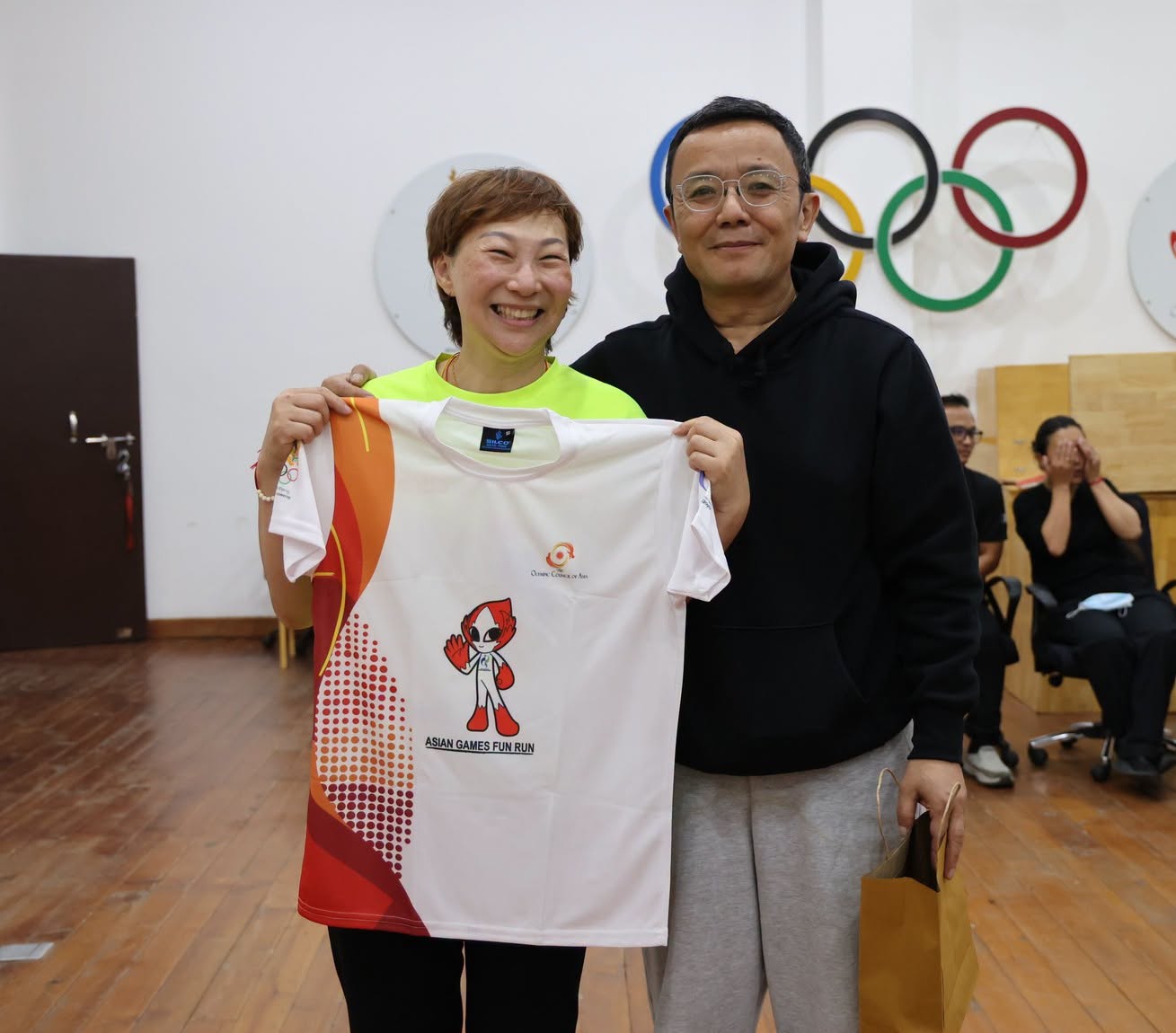
The first cohort ran from 7 September to 16 October 2026 and included 29 participants. Seventeen trained in Tit Tar, while 12 took part in Tai Chi sessions.
Participants included teachers, caregivers, counsellors, school leaders and traditional medicine practitioners. Many work directly with children who require additional educational or developmental support.
A second cohort began on 19 October with 45 participants from different professional backgrounds. This brings reported participation across the two cohorts to 74, although only the first group had completed its training at the time of publication.
Tai Chi sessions are conducted in the morning, while Tit Tar instruction takes place in the evening.
How Tit Tar and Tai Chi Differ
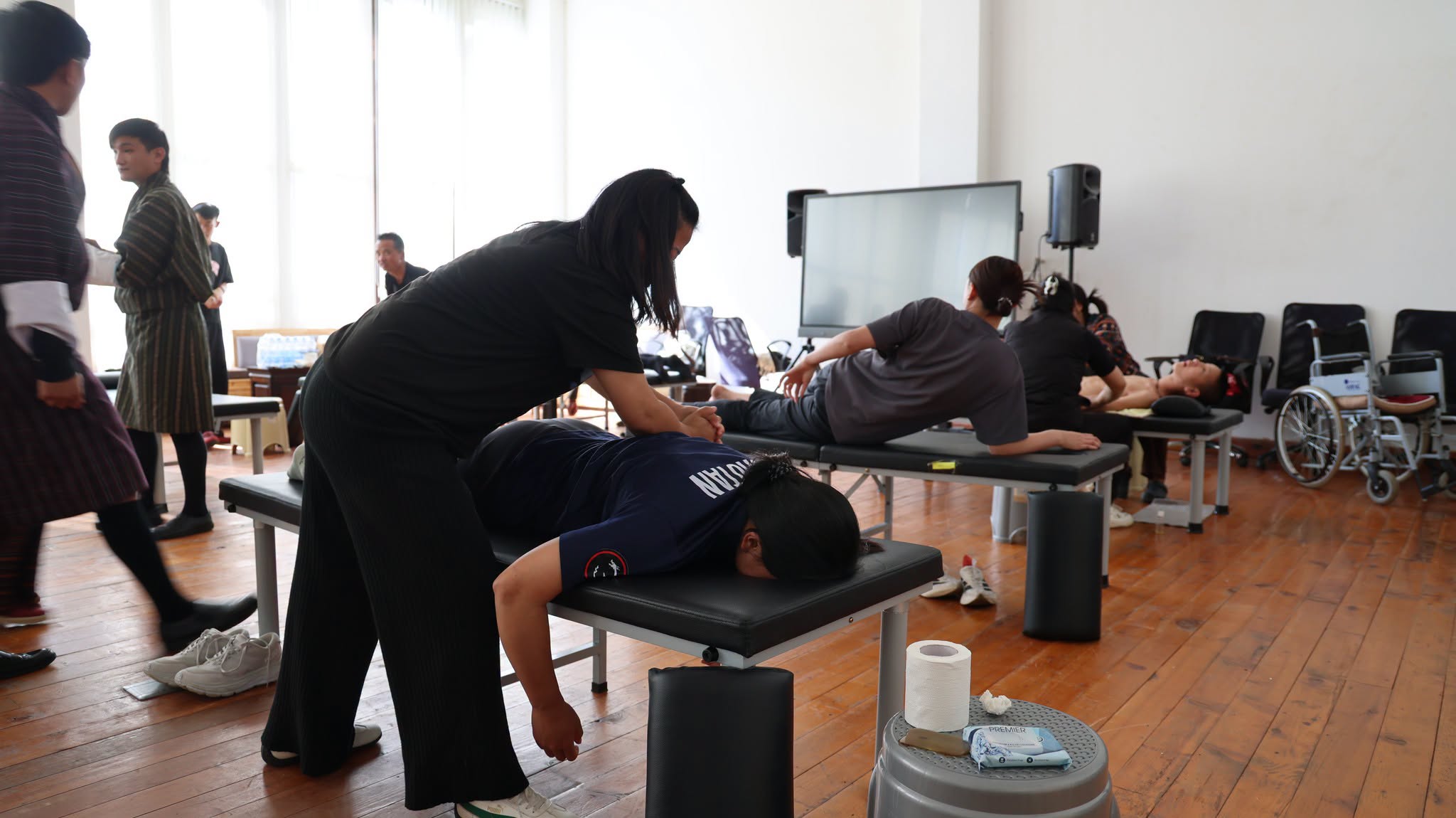
Tit Tar is a traditional Chinese manual practice associated with bone-setting and the treatment of musculoskeletal discomfort. It uses hands-on techniques intended to address stiffness and problems involving muscles, joints and tendons.
Tai Chi originated as a Chinese martial art. It is now widely practised as a form of low-impact exercise involving slow movements, controlled breathing, posture and concentration.
Research indicates that Tai Chi may help improve balance and physical function, particularly among older adults. Evidence varies depending on the condition being studied, and it should not replace appropriate medical care.
The evidence base for individual Tit Tar techniques is less clearly established. The safety of manual treatment depends on the practitioner’s training and the condition being addressed. Suspected fractures, severe pain, loss of sensation and other serious symptoms require assessment by a qualified healthcare professional.
Practical Sessions Reach Schools and Community Institutions
The first cohort combined classroom instruction with supervised practical experience.
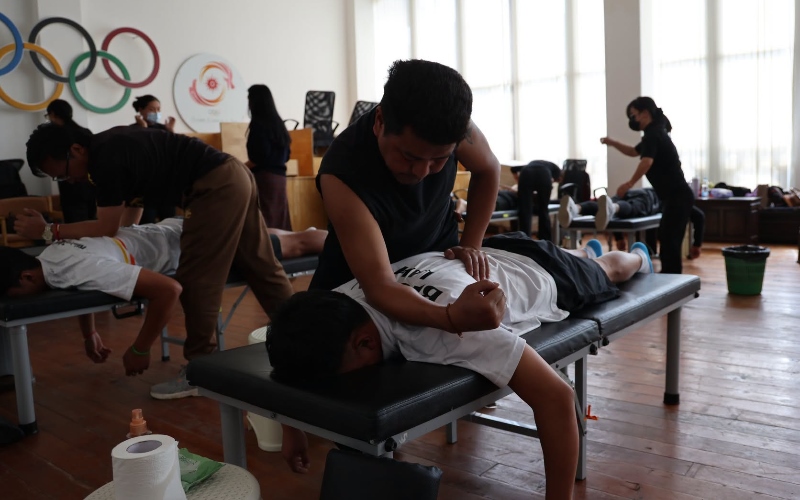
Tit Tar trainees recorded approximately 500 treatment encounters at Yangchenphug School, Dechencholing School and the Bhutan Olympic Committee. A further 500 encounters were reported at Selwa’s training venue.
The combined figure represents treatment sessions rather than 1,000 separate patients, as the number of unique individuals was not specified.
The practical component allowed participants to apply what they had learned under supervision. It also introduced the techniques to teachers, staff members and other members of the community.
For participants such as Pema Yangzom, a teacher at Taba Lower Secondary School, the training began as an opportunity to address personal health concerns. It also provided skills that could potentially be used in her work and daily life.
A participant from Bhutan’s National Traditional Medicine Hospital also attended the second cohort, reflecting interest in the programme among people already working in traditional healthcare.
Building on Earlier Tit Tar Programmes
The Selwa training follows earlier exchanges between Bhutan and Tit Tar practitioners from other parts of Asia.
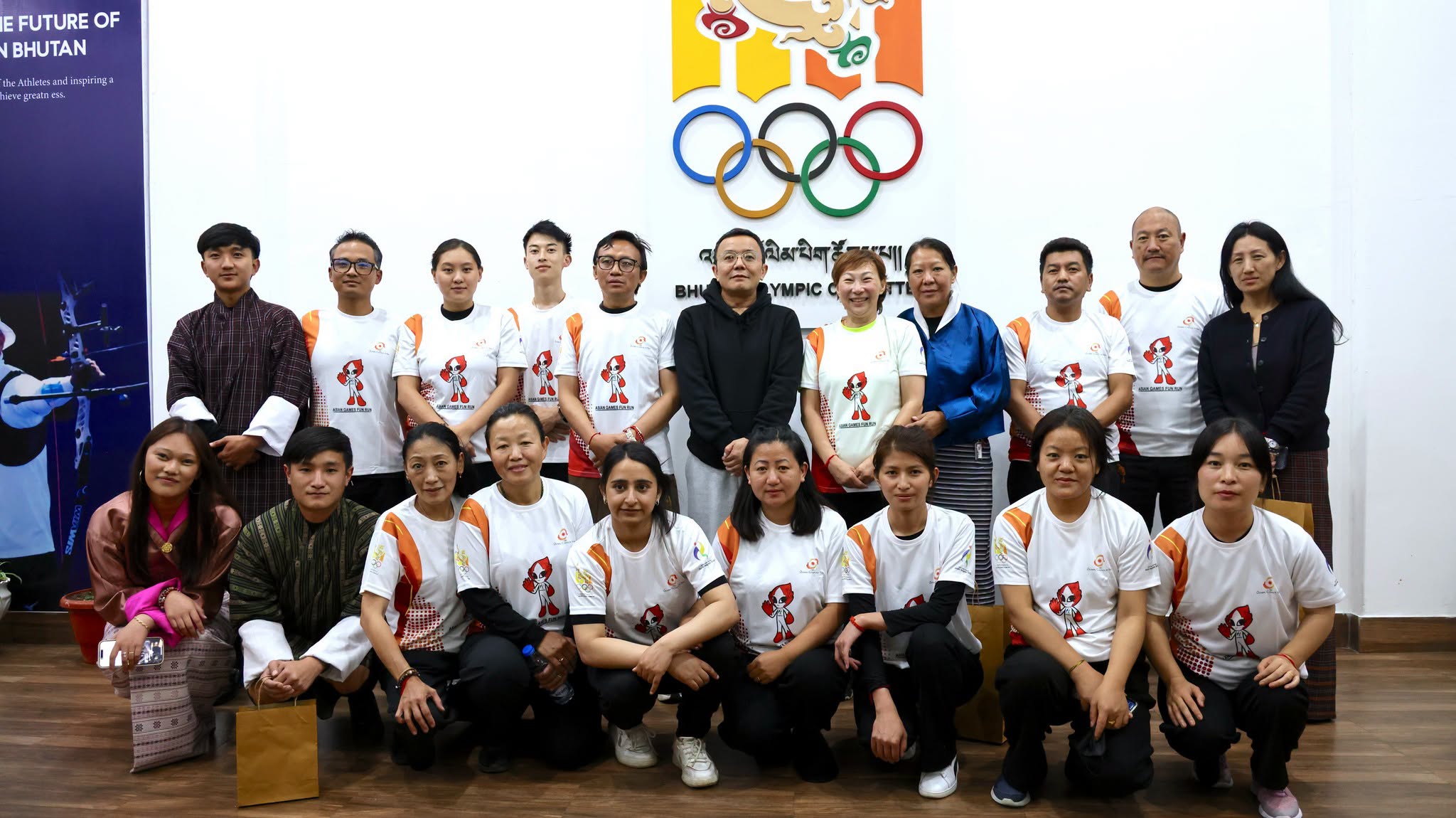
In June 2026, Bhutan’s King honoured 21 international Tit Tar practitioners from Malaysia, Hong Kong, Indonesia and Singapore for volunteer service in the country.
Led by Chris Leong and Erik Leong, the group provided treatment during the Global Peace Prayers in November 2025 and activities marking Queen Jetsun Pema’s 36th birthday. More than 1,000 treatments were reported across the two programmes.
The practitioners also trained members of De-suung, Bhutan’s national volunteer service, through the De-suung Skilling Programme. Chris Leong and Erik Leong received Bhutan’s National Order of Merit in recognition of their work.
Leonie Leong is the elder sister of Chris Leong. Her programme in Thimphu shifts part of the focus from short-term treatment to skills development among Bhutanese educators, caregivers and other professionals.

Bhutan’s Own Traditional Medicine System
Tit Tar is distinct from Bhutan’s established traditional medicine system, commonly known as Sowa Rigpa or Sorig.
Sowa Rigpa draws on centuries of Himalayan medical knowledge and incorporates herbal medicines, dietary guidance and other forms of treatment. It forms part of Bhutan’s public healthcare system and is taught through the Faculty of Traditional Medicine.
In May 2026, the faculty published a new traditional medicine textbook titled Zintig to strengthen clinical education and make traditional medical knowledge more accessible to trainees.
Visitors interested in learning about Bhutan’s medical traditions can also find an introduction through a traditional Bhutanese medicine consultation with trained practitioners.
Although Sowa Rigpa and Tit Tar developed from different traditions, the Thimphu programme reflects continuing interest in how traditional knowledge can be studied and used responsibly alongside modern healthcare.
Selwa’s Focus on Inclusive Wellbeing
Selwa was launched in 2019 under the patronage of Queen Jetsun Pema. It works with persons with disabilities, caregivers, government agencies and partner organisations to improve access to education, skills development, employment and community participation.
The Tit Tar and Tai Chi programme is intended to equip participants with practical skills that can be incorporated into everyday routines and, where appropriate, their professional work.
The focus on teachers is particularly relevant because educators supporting children with disabilities often manage physical, emotional and behavioural needs alongside classroom instruction. Techniques involving mindful movement may offer useful personal wellbeing practices, but any therapeutic application involving children requires appropriate training, consent and safeguards.
Selwa is also working with the De-suung Skilling Programme to explore further Tit Tar training and develop local capacity.
From Training to Responsible Practice
Bhutan’s Minister of Education and Skills Development, Yeezang De Thapa, attended the closing of the first cohort on 16 October. Participants demonstrated techniques they had studied during the programme.
The training adds to Bhutan’s growing discussion about physical and mental wellbeing, including the expansion of specialist services through the PEMA Centre for mental health and child protection.
The second Tit Tar and Tai Chi cohort is still underway. Its longer-term value will depend on how participants use their training, what supervision and safeguards are maintained, and whether future programmes establish clear standards for responsible practice.