
Bhutan Opens Specialist Hospital for Mental Health and Child Protection
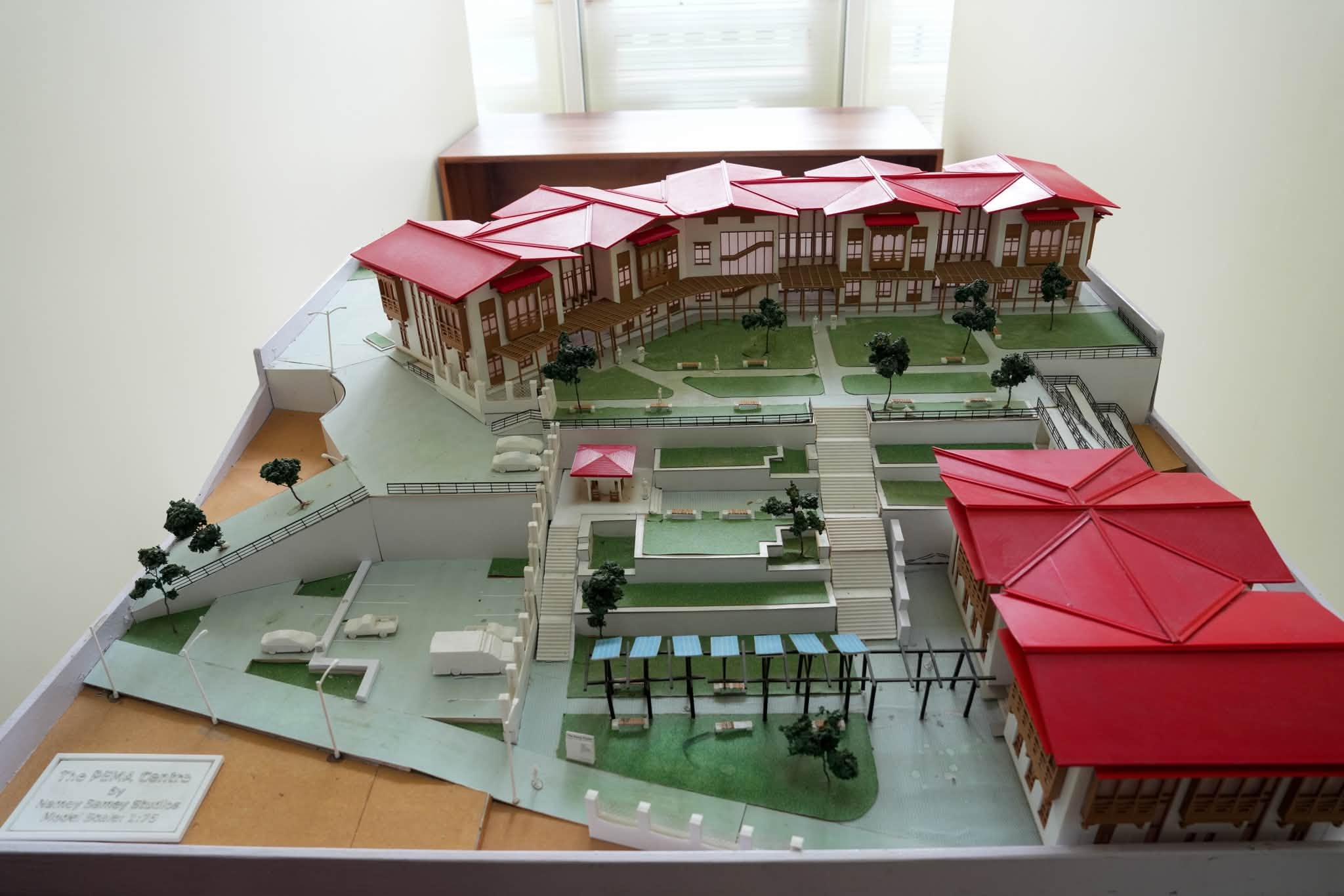
Bhutan has opened the PEMA Centre in Thimphu, bringing specialist mental health, addiction recovery and child protection services under one roof.
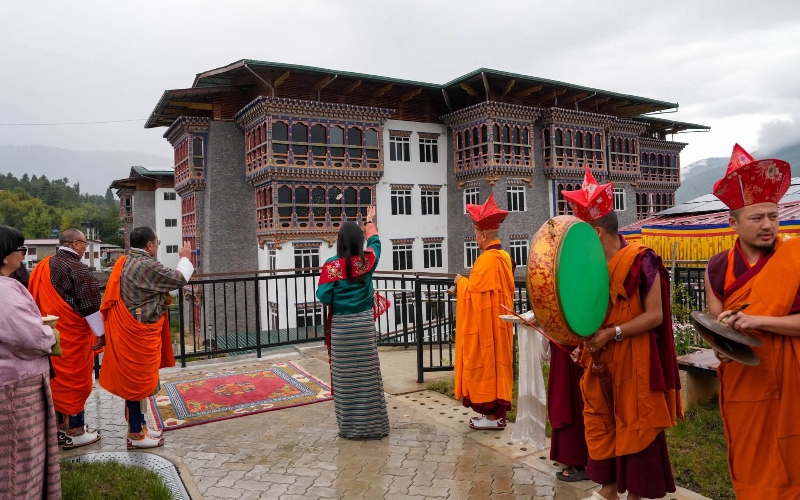
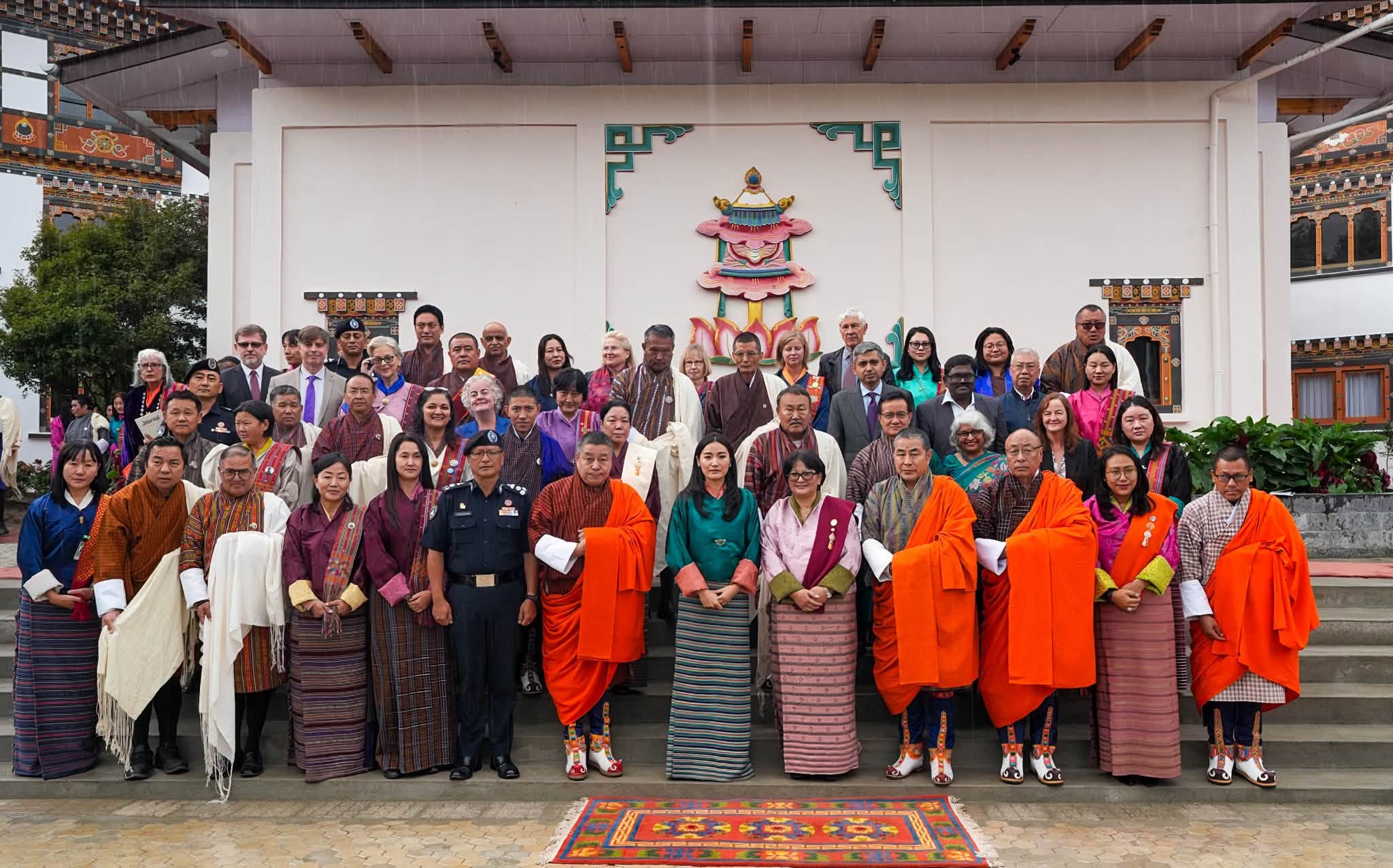
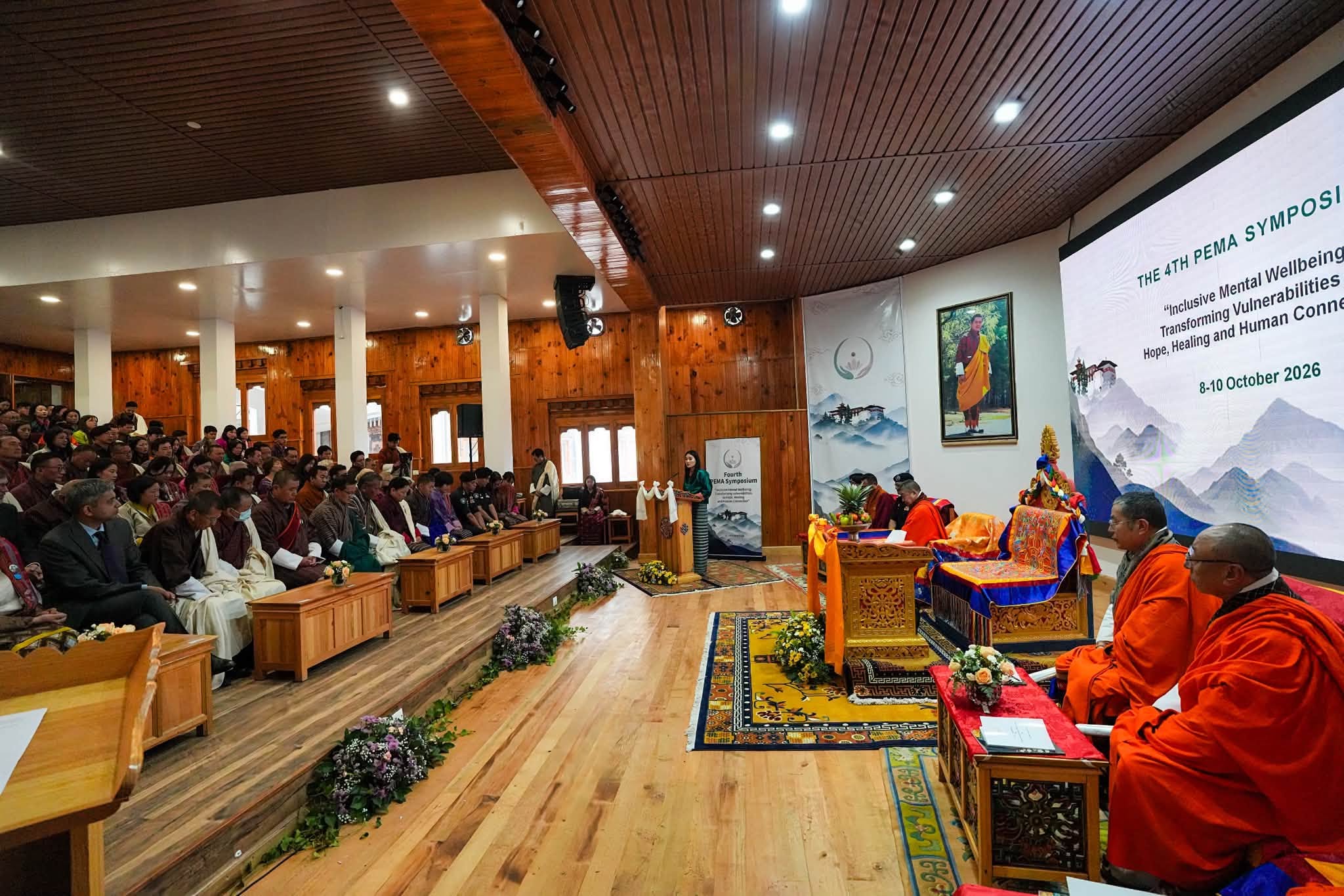
Her Majesty Queen Jetsun Pema Wangchuck, graced the consecration of the PEMA Centre in Thimphu on 10 October 2026, formally opening Bhutan’s highest-level specialist hospital for mental health care.
The Centre brings outpatient, inpatient and day-care treatment together with addiction recovery and child protection services. It will also serve as the national hub responsible for guiding and strengthening mental health services across Bhutan.
The opening coincided with World Mental Health Day and the conclusion of the Fourth PEMA Symposium.

Specialist Services Under One Roof
The PEMA Centre is intended to provide a more coordinated pathway for people requiring mental health treatment, rehabilitation or protection services.
Its facilities include:
-
Outpatient consultations and treatment
-
Inpatient psychiatric care
-
Day-care services
-
A dedicated clinic for children and adolescents
-
Structured treatment and recovery services for substance use disorders
-
Specialised inpatient units, including a closed ward for people experiencing acute mental health crises
-
Child protection services
Bringing these services together is intended to reduce fragmentation between assessment, treatment, rehabilitation and longer-term support.
The Centre will work within a broader national system that includes community programmes, crisis response, residential rehabilitation, peer support and aftercare. Plans for a specialist national mental health hospital were already taking shape in 2021.
Symposium Focuses on Inclusive Mental Wellbeing
Her Majesty also graced the closing of the Fourth PEMA Symposium.
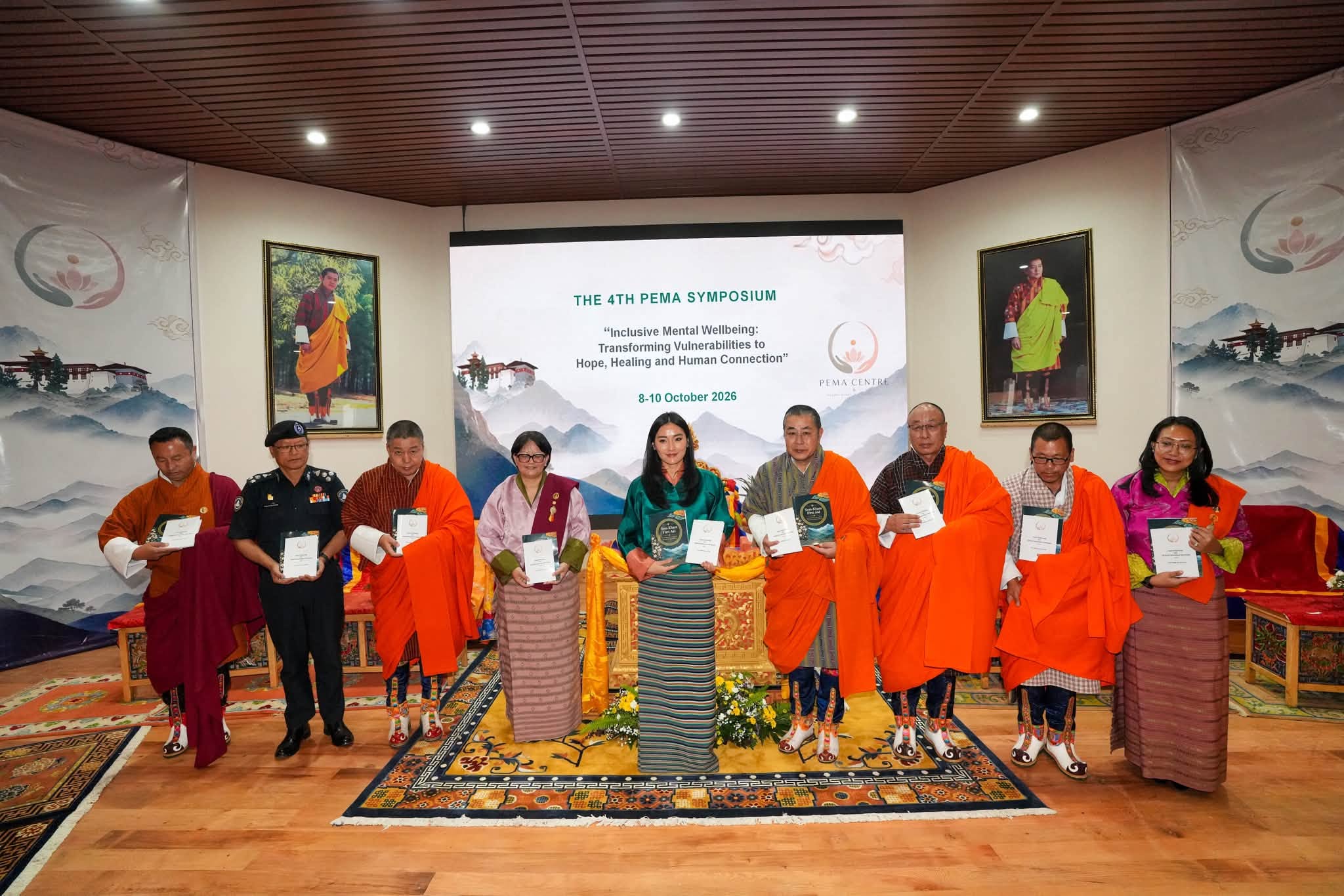
The three-day gathering was held at PEMA Rehab under the theme “Inclusive Mental Wellbeing: Transforming Vulnerabilities to Hope, Healing and Human Connection.”
It brought together Bhutanese and international experts, service providers and other stakeholders to consider how mental health care in Bhutan can become more proactive, inclusive and compassionate.
Discussions addressed suicide prevention, child protection, rehabilitation, recovery and the responsibilities of institutions and communities towards people experiencing vulnerability.
Her Majesty Calls for Timely Action
In Her Majesty’s address, vulnerability was presented as part of the human experience rather than a condition that separates one group of people from another.
Her Majesty emphasised that a society should be assessed by how it responds to people in vulnerable situations. Progress should be measured by tangible improvements in people’s lives, rather than only by the number of services introduced or the intentions behind them.
The address called for knowledge about suicide prevention and mental health to be translated into timely action. It also highlighted the importance of sustained support for people rebuilding their lives after treatment or crisis.
Child protection formed another central part of the message. Her Majesty called for stronger collective responsibility to prevent violence against children and ensure accountability for those who cause harm. This included consideration of stronger penalties for sexual offences against children.
The focus complements wider efforts to strengthen child safeguarding awareness and institutional responses in Bhutan.
Three National Initiatives Launched
Her Majesty launched three initiatives during the closing ceremony.
| Initiative | Purpose |
|---|---|
| Sem Kham First Aid | A free self-help resource intended to improve mental health awareness and help people recognise when further support may be needed |
| Mental Health in Emergencies | A framework for providing psychiatric and psychosocial services during disasters, emergencies and other crises |
| National Care Pathways for Child Protection Services | Guidance for ensuring that children at risk receive appropriate protection, referrals and continuing support at each stage |
The initiatives extend the Centre’s work beyond hospital treatment. They address early support, emergency preparedness and coordination among organisations responsible for protecting children.
Mental Health and Child Protection Are Closely Connected
The PEMA Centre’s combination of psychiatric and child protection services reflects the relationship between mental wellbeing, safety and social circumstances.
Children experiencing violence, neglect, family separation or other difficult circumstances may require both immediate protection and longer-term psychological support. Adults recovering from mental illness or substance use disorders may also need continued assistance with family relationships, housing, livelihoods and social reintegration.
The PEMA Secretariat, Bhutan’s national coordinating agency for mental health and child protection, describes its approach as a continuum of care. This begins with prevention and early support and continues through crisis response, treatment, rehabilitation, reintegration and aftercare.
The new Centre provides the specialist hospital component of that wider system.
A National Referral and Coordination Role
Although the PEMA Centre is located in Thimphu, its role extends beyond the capital.
As Bhutan’s national mental health hub, it is expected to support the development of services across the country, including clinical guidance, referrals and coordination with health facilities, schools, protection services and community organisations.
Its effectiveness will depend on how well specialist services in Thimphu connect with early identification and continuing care in Bhutan’s districts. Access outside the capital, the availability of trained professionals and coordination between health and social services will remain important considerations.
The Centre’s opening gives Bhutan dedicated infrastructure for specialist mental health treatment and child protection. The next measure of progress will be whether people experiencing distress can reach those services early, receive appropriate care and continue to receive support after leaving the hospital.
Where to Seek Help in Bhutan
The PEMA Helpline can be reached free of charge at 1098. It provides confidential protection and psychosocial support 24 hours a day.
Anyone facing immediate danger in Bhutan should contact the Royal Bhutan Police at 1010.
Her Majesty's Address at the Conclusion of the Fourth PEMA Symposium
Someone who is unwell?
Someone receiving treatment?
Someone whose struggles are visible to us?
The truth is, we are speaking about all of us.
Every one of us will experience vulnerability at some point in our lives. We will know grief, fear, loneliness, uncertainty, disappointment or loss. There may be moments when the weight we carry feels heavier than we can manage alone.
Vulnerability is not weakness. It is part of being human.
And the way we respond to vulnerability, in ourselves and in one another, reveals something important about the kind of society we are.
This year’s theme, 𝘐𝘯𝘤𝘭𝘶𝘴𝘪𝘷𝘦 𝘔𝘦𝘯𝘵𝘢𝘭 𝘞𝘦𝘭𝘭𝘣𝘦𝘪𝘯𝘨: 𝘛𝘳𝘢𝘯𝘴𝘧𝘰𝘳𝘮𝘪𝘯𝘨 𝘝𝘶𝘭𝘯𝘦𝘳𝘢𝘣𝘪𝘭𝘪𝘵𝘪𝘦𝘴 𝘪𝘯𝘵𝘰 𝘏𝘰𝘱𝘦, 𝘏𝘦𝘢𝘭𝘪𝘯𝘨 𝘢𝘯𝘥 𝘏𝘶𝘮𝘢𝘯 𝘊𝘰𝘯𝘯𝘦𝘤𝘵𝘪𝘰𝘯, asks us to consider a simple but profound question:
How do we build a society where everyone feels safe, supported, valued and connected?
Mental wellbeing cannot be separated from the conditions in which people live. It is shaped by our families, our schools, our workplaces and the institutions we depend upon.
It is shaped by whether people feel safe enough to speak, whether someone listens when they do speak, and whether help arrives before distress becomes a crisis.
Over the last four years, we have built services, strengthened partnerships and created new pathways for treatment, rehabilitation and reintegration. We have brought mental health and child protection more openly into our national conversation.
But four years into this work, I am more convinced than ever that progress cannot be measured only by the services we provide or the systems we put in place.
We have to ask ourselves whether our efforts are making a meaningful difference in people’s lives.
The number of lives we continue to lose to suicide is a painful reminder of how much more needs to be done.
Over the past three years, 379 people in Bhutan have died by suicide.
Three hundred and seventy-nine lives.
Each one was someone’s child, someone’s mother or father, someone’s partner, someone’s brother or sister, someone’s friend.And each loss has left behind people whose lives will never be quite the same.
Nearly half were between the ages of 25 and 50.
Every life lost should make us question what more we could have done, and what we must do differently to prevent such tragedies.
We may not always have the answers. But we must have the courage to ask the questions.
If mental healthcare starts only when someone reaches a crisis, then we’ve already waited too long.
Prevention has to become an essential part of how we approach mental health. That means noticing early signs, making support easier to access, and making sure that concern is followed by meaningful action.
In the last four years, more than 2,400 people have called The PEMA Helpline seeking support for their mental health.
To me, those are not simply calls received.
They are more than 2,400 moments when someone found the courage to reach out and ask for help.
And when someone places their trust in us, we have a responsibility to honour that trust.
Over the years, I’ve seen extraordinary dedication from those that answer these calls, and from people working across mental health, child protection, education, social services and so many other areas.
But I have also seen how slow change can be.
Too often, we know what needs to be done, yet we struggle to turn that knowledge into timely action.
And when progress is delayed, real people pay the price.
We cannot allow the difficulties within our systems to become an excuse for the absence of results.
What matters is whether help reaches the people who need it.
Sometimes we speak about “systemic gaps” as though systems exist independently of us.
They do not.
Systems are people.
They are built and shaped by the decisions we make, how we work together, and whether we take responsibility when something goes wrong.
But our responsibility does not end when someone receives help. We must also ensure that they have the help and support to move forward.
True inclusion means looking beyond someone’s past and giving them a real chance to start again.
It is not simply about opening a door. It’s what happens after someone walks through it.
Here at The PEMA Rehab, families are becoming part of the recovery process, and skills, training and livelihood opportunities are helping people rebuild their independence.
But recovery is about more than treatment. It is also about having the opportunity to return to a life of purpose and dignity.
A person’s worst moment should never become their permanent identity.
A year later, my sense of urgency has not diminished.
It has grown.
Since 2023, hundreds of cases of violence against children have been reported to justice and child-protection authorities. We have also seen many children come into conflict with the law.
These are different situations and they need different responses. But in every case, we have to look carefully at what has happened, consider who has been harmed, and decide what needs to be done.
Understanding the circumstances that may have contributed to a child’s behaviour does not excuse that behaviour.
Protecting children’s mental wellbeing begins by protecting childhood itself.
Recent cases of sexual violence against children have been deeply disturbing.
There are few greater failures of our responsibility as a society than failing to protect a child from such violence.
The harm does not end when the crime is over. For the trauma inflicted can last a lifetime.
We cannot undo what has happened. But we can and we must ensure that those responsible are held accountable.
These are very different circumstances, but together they remind us of what matters most.
I want to express my sincere gratitude to everyone whose dedication and hard work continue to change lives. Much of this work happens away from public attention, but its importance cannot be overstated.
Not because the road ahead will be easy, but because I believe in our ability and in our willingness to do better, and in what we can achieve together.