
Gongthung School Builds Local Food Supply Chain With Village Farmers
Gongthung School is buying vegetables, eggs and dairy directly from village farmers, supporting student meals and rural incomes in eastern Bhutan.
A rural school in eastern Bhutan is sourcing vegetables, eggs and dairy products directly from nearby producers, giving students access to locally grown food while providing farmers with a regular market.
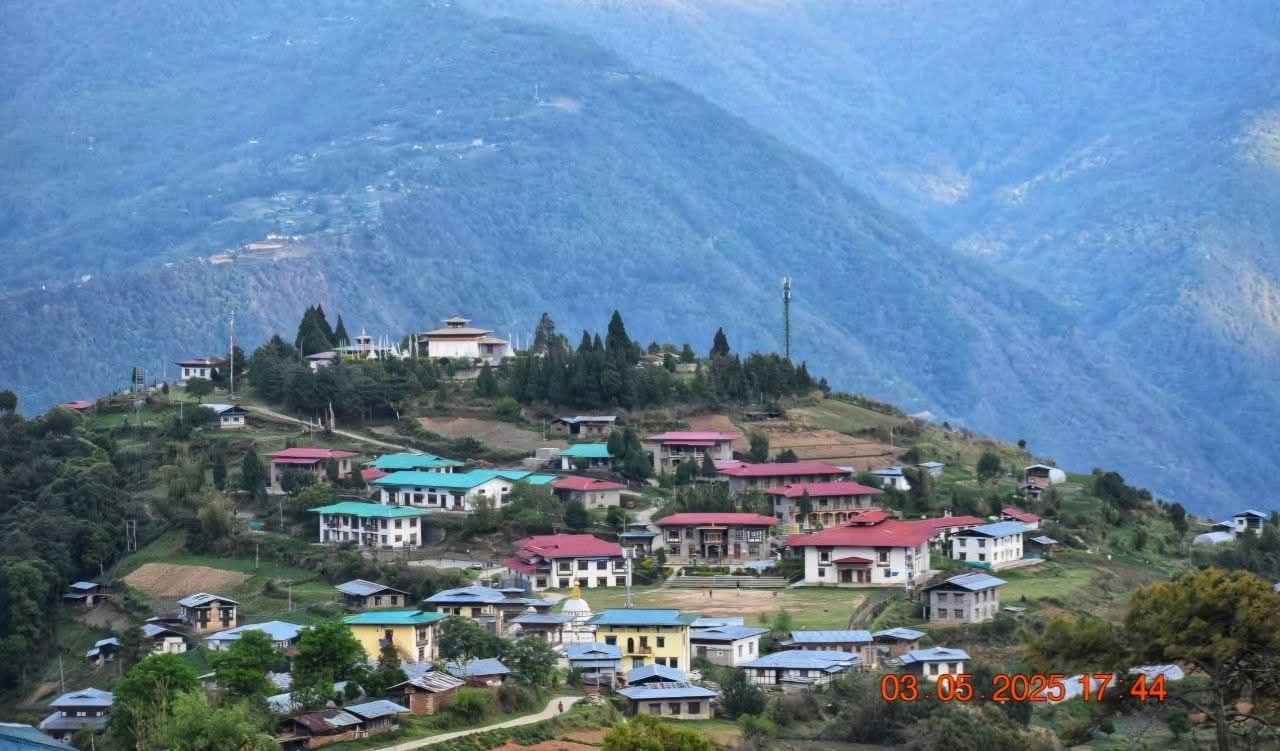
Gongthung Middle Secondary School is working with four vegetable groups, a poultry farm and a dairy group in Gongthung village. The community lies in Yangneer Gewog, a subdistrict of Trashigang in eastern Bhutan.
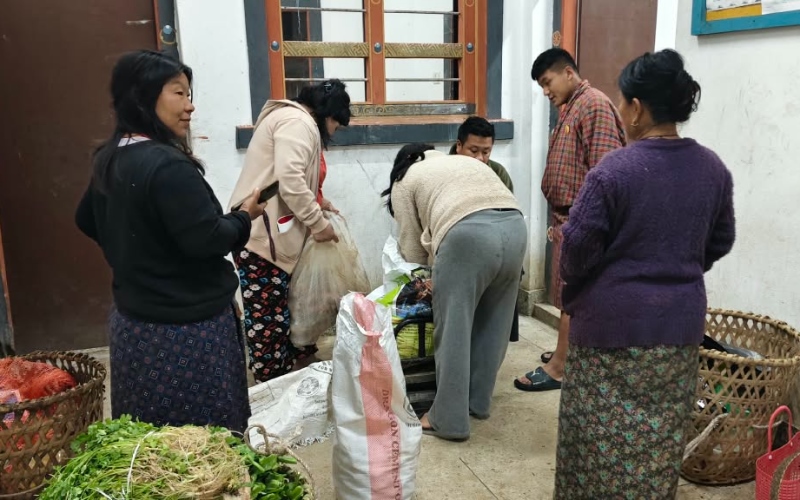
Farmers deliver vegetables to the school every Tuesday and Saturday. Members of the four groups take turns supplying the produce, creating a shared system rather than leaving the contract with a single farmer.
The arrangement connects the school’s meal programme with the agricultural economy surrounding it. Farmers receive predictable demand, while the school can purchase a substantial share of its fresh food close to where it is consumed.
Farms Supply Vegetables, Eggs and Milk
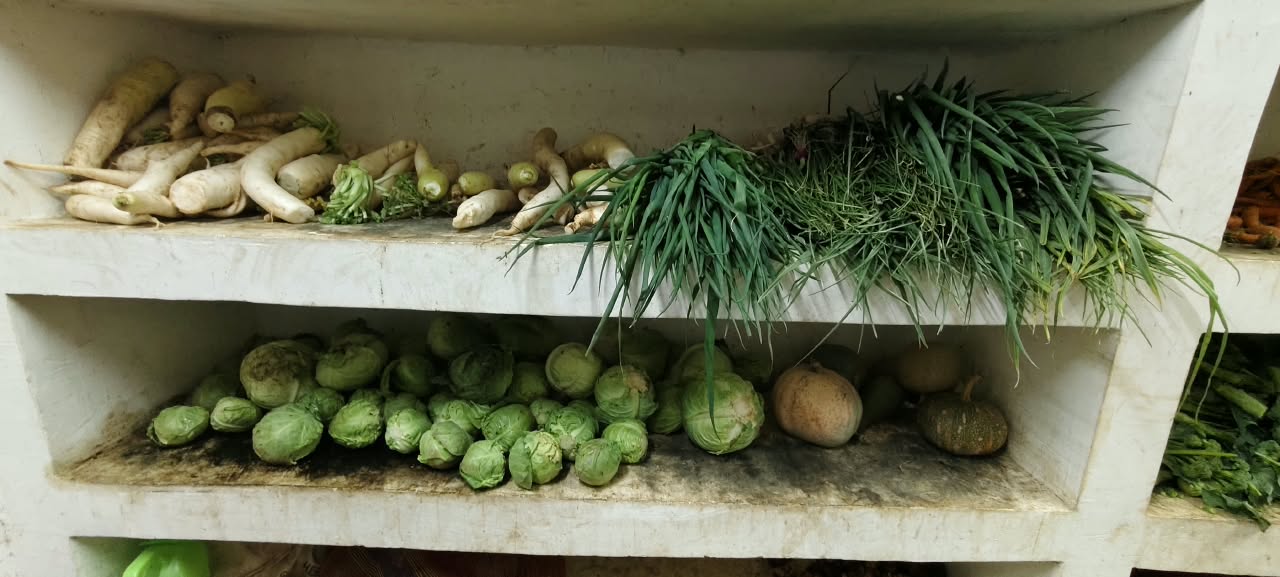
The participating farmers supply potatoes, cabbage, cauliflower, broccoli, radish and leafy vegetables, depending on the season.
A poultry farm near the school supplies eggs. Gongthung’s dairy group provides milk and other dairy products for the boarding school kitchen.
Together, local farmers earn approximately Nu 250,000 (approx. USD 2,580) a month from sales to the school. This represents about 42 per cent of the meal allocation the school receives for its students.
Earnings vary considerably among producers. Farmers supplying larger quantities or higher-value vegetables can earn between Nu 5,000 (approx. USD 52) and Nu 9,000 (approx. USD 93) a month. Those supplying smaller amounts may earn between Nu 300 (approx. USD 3) and Nu 700 (approx. USD 7).
The type of crop also affects income. Radish generally earns less, while broccoli and potatoes receive higher prices.
These differences show that access to an institutional buyer does not automatically produce equal benefits. Income still depends on land, production volume, crop choice and a farmer’s ability to supply the school regularly.
Higher Meal Allocation Expands Local Demand
The partnership expanded after the government increased the meal allocation for boarding students from Nu 1,500 (approx. USD 16) to Nu 3,100 (approx. USD 32).
The larger allocation allowed the school to purchase more food, including locally produced eggs and vegetables.
Kintu, a poultry farmer supplying the school, previously struggled to find shops willing to buy his eggs consistently. Sales to the school now generate between Nu 100,000 (approx. USD 1,030) and Nu 120,000 (approx. USD 1,240) a month.
For a small producer, a school can offer something that open markets do not always provide: a large customer with recurring demand.
Regular purchases can help farmers plan production and reduce the risk that perishable food will remain unsold. The money spent by the school also stays within the community, where it can support farm inputs, household expenses and other local businesses.
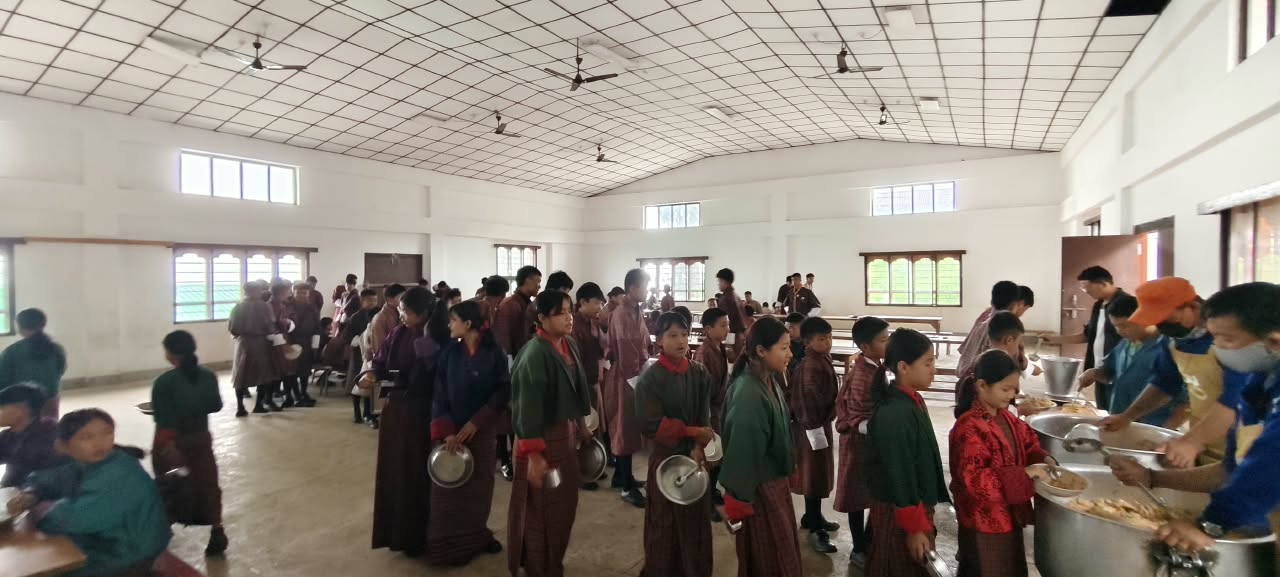
Local Supply Does Not Yet Meet Every Need
Gongthung’s farms cannot currently supply everything required by the school.
Bananas and apples are among the fruits that must be purchased from outside the village because local production is insufficient. The school buys locally grown watermelons, cucumbers and pears when they are available.
Farmers have started responding to these gaps. Some are cultivating bananas with the aim of meeting part of the school’s future demand. The dairy group is also preparing to add yoghurt to the products it supplies.
This gradual diversification shows how predictable institutional demand can influence farming decisions. Rather than growing crops without knowing whether buyers will be available, farmers can plan around the needs of the school kitchen.
However, expansion will depend on production capacity, water availability, seasonal conditions and the ability of farming groups to coordinate delivery schedules.
A direct supply arrangement must also maintain food safety, quality and reliable volumes throughout the school year.
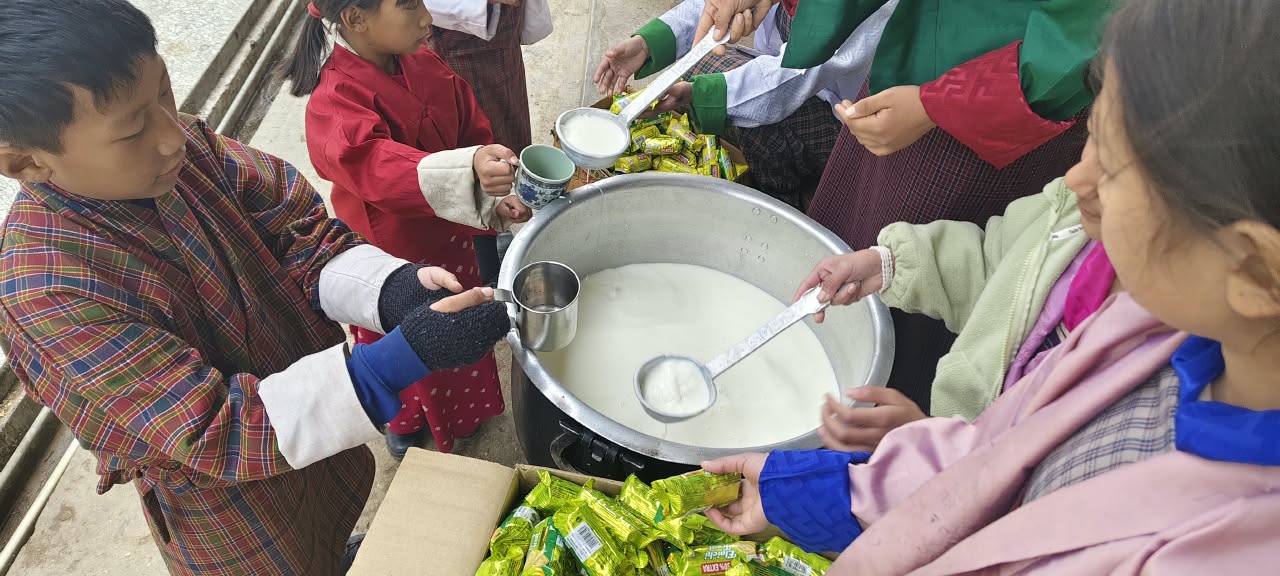
Fresh Food With a Shorter Journey
Buying from nearby farms reduces the distance between production and consumption.
Vegetables harvested in Gongthung can reach the school kitchen without passing through distant wholesale markets or lengthy transport routes. This can improve freshness and reduce the risk of delays affecting perishable food.
The system may also make the school less dependent on distant suppliers for some products. It cannot eliminate outside purchasing, particularly when local farms cannot meet the required quantity or grow certain foods.
The practical value lies in combining both sources. Local farmers can supply suitable seasonal produce, while the school continues purchasing other necessities from external markets.
The result is a more diversified supply chain rather than complete local self-sufficiency.
Could the Model Work Elsewhere?
Yangneer’s official profile identifies agriculture and livestock farming as important sources of income. The subdistrict has four vegetable groups and a dairy cooperative, giving Gongthung School an existing network of organised producers.
Not every rural school will have the same conditions. A similar arrangement elsewhere would require sufficient nearby production, dependable transport, suitable procurement procedures and coordination between schools, farmers and agricultural officials.
Schools would also need to align menus and purchasing schedules with local harvest seasons. Farmers, meanwhile, would need clear information about quantities, quality requirements and delivery dates.
The Gongthung partnership provides a local example of the questions explored during Bhutan’s first Global Conscious Food Systems Summit, including farmer wellbeing, resilient supply chains and the relationship between institutions and food producers.
Its immediate significance is more practical. A school needs regular meals, and nearby farmers need dependable customers. Connecting those needs has created a food supply system that supports student meals and rural incomes at the same time.
The next measure of success will be whether the partnership can maintain reliable supply across seasons, expand the range of local products and continue providing fair opportunities to participating farmers.