

Thruebab in Bhutan: Why Blessed Rainy Day Is About Water, Not Rain
Discover the meaning of Thruebab, Bhutan’s Blessed Rainy Day, and the beliefs and bathing traditions behind this September celebration.
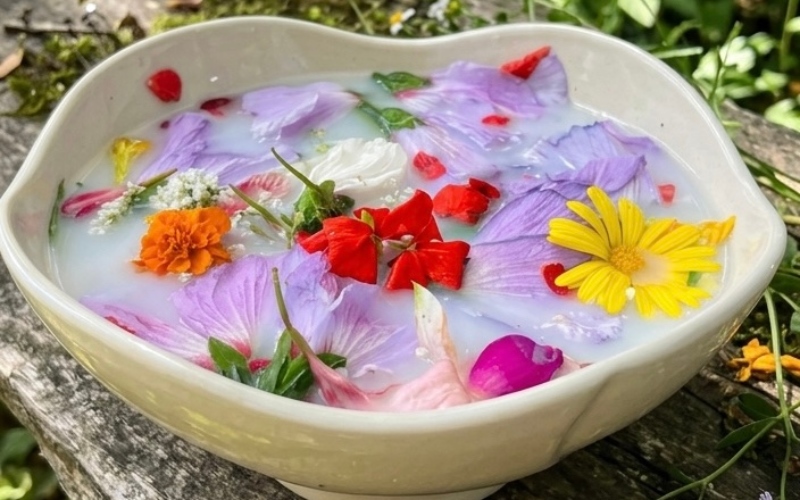
Every year in late September, Bhutan marks one of its most distinctive festivals - Thruebab (ཁྲུས་བབ་), observed most vividly in the eastern districts of the kingdom. The name itself, translating literally to the "descent" (བབ་) of "blessed water" (ཁྲུས་), points to something more precise than its popular English rendering suggests.
Despite being widely known abroad as "Blessed Rainy Day," the festival has no direct connection to rainfall, monsoon timing, or seasonal weather. That translation, many scholars argue, was a well intentioned mistake made decades ago by someone unfamiliar with the astrological tradition behind the day. One recent Bhutanese commentator has gone so far as to call for the name to be corrected now that the tradition's meaning is better understood.
A Star, Not a Season
Local folklore holds that Thruebab marks the moment water completes a full cycle back to its source. But Bhutanese astrologers offer a more intricate account rooted in Vedic and Himalayan astrology. During the eighth Bhutanese month, the sun is said to align for seven days with the star Rishi (དྲང་སྲོང་) identified with Canopus, and in Vedic tradition with the sage Agastya, one of the seven great rishis (the others are linked to the stars of the Big Dipper). In Hindu legend, Agastya was the sage powerful enough to drink the oceans and summon rain.
Himalayan astrologers describe Rishi as formed from crystal and ketaka gemstone, materials believed to purify water earning it the title of the "medicinal star." Its light is thought to cleanse water of impurities and even pathogens, leaving it with eight prized qualities: coolness, clarity, cleanliness, lightness, sweetness, and a soothing, harmless quality for the throat and stomach.
The Sowa Rigpa medical tradition draws on this belief directly. The renowned physician Sangay Gyamtsho wrote of drinking water "cleansed by the shining Rishi" in his classic text, The Blue Beryl, and a Tibetan folk saying captures the same idea: once the star Rishi rises, there's no need for doctors.
A Buddhist Layer
Buddhist tradition adds a further dimension. Around the sacred peaks near Mount Meru, gods and saints of antiquity are said to have fashioned a statue of Buddha Vairocana, its crown built from the same crystal and ketaka gem believed to form the star Rishi.
When Rishi shines above the statue for its seven-day span, drops of divine nectar are believed to fall, carried by the prayers of celestial beings, and to imbue the world's rivers and streams with healing power for the week. Some tellings substitute the Buddha Dipankara or place the statue on Mount Meru, but the core image of starlight touching a jeweled crown and blessing the waters below stays the same across versions.
Bathing Before Dawn
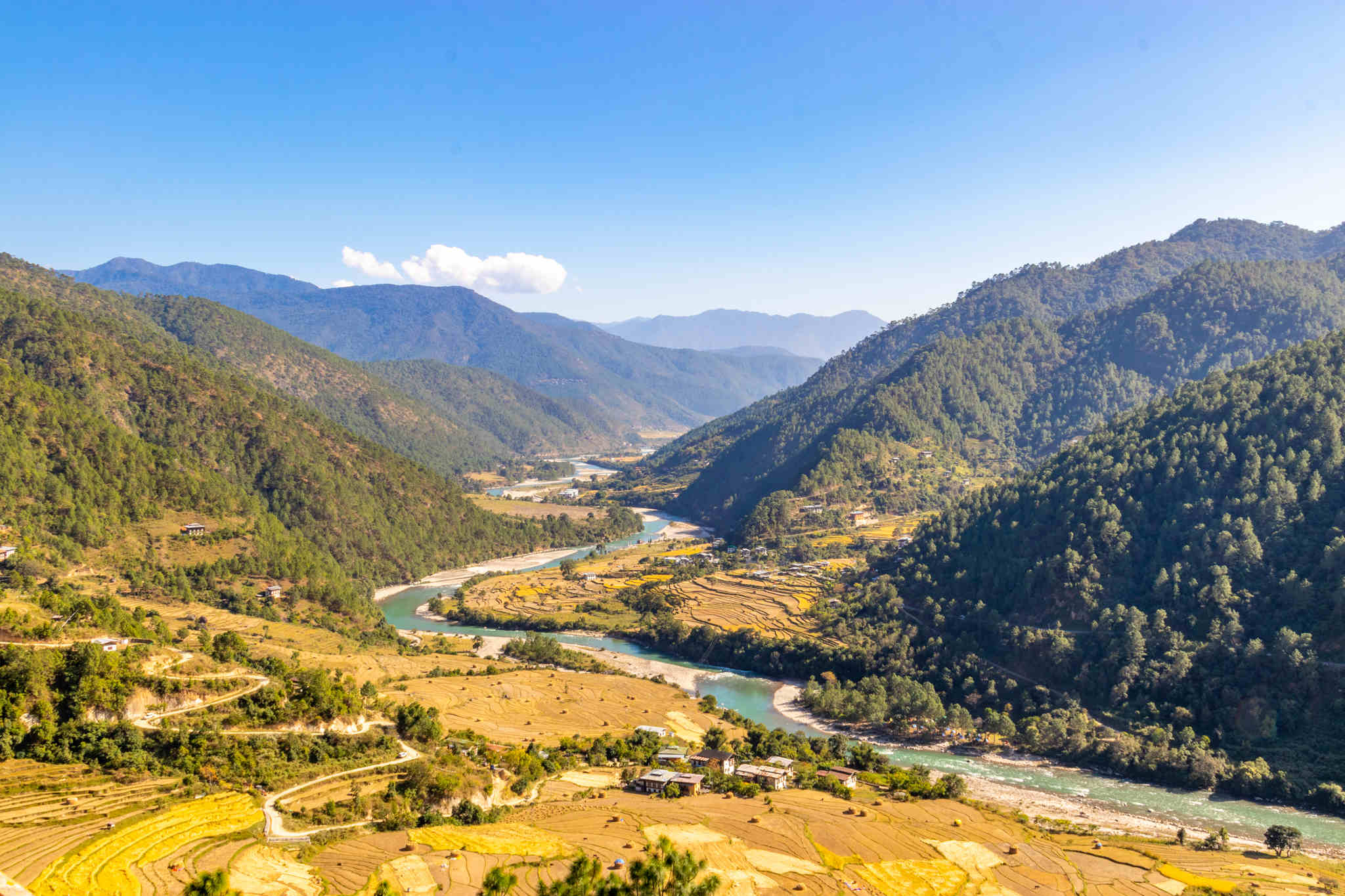
Astrologers calculate the exact hour the sun enters this alignment, and Bhutanese families rise before daybreak to bathe, wash their clothes, and head to nearby streams and ponds for a communal soak often followed by picnics.
Astrological guidance for the day is remarkably specific: bathers are traditionally advised to face north, and a vegetarian diet is encouraged as part of the observance. In old Tibet, even the Dalai Lama's court marked the occasion with extended bathing rituals and feasting.
In eastern Bhutan today, Thruebab remains a cherished family occasion, the first day usually reserved for immediate family, with archery and khuru matches often following in the days after. Its popularity is such that when the holiday was once controversially dropped from Bhutan's official calendar, public sentiment helped see it reinstated.
Whatever one makes of astrology, the belief persists across the Himalayas: for one week each year, the region's waters carry something more than themselves. It is a special occasion in Bhutan to celebrate and cherish the power of water, the real elixir of life and a resource which is both plentiful and pristine in Bhutan.