
Bhutan recognised first four Geographical Indication products
Bhutan has officially registered its first four Geographical Indication products, protecting traditional goods while creating new opportunities for rural producers and promoting authentic Bhutanese products internationally.

Bhutan has officially recognised its first four Geographical Indication (GI) products, marking an important step in protecting the country's traditional products and strengthening opportunities for rural communities.
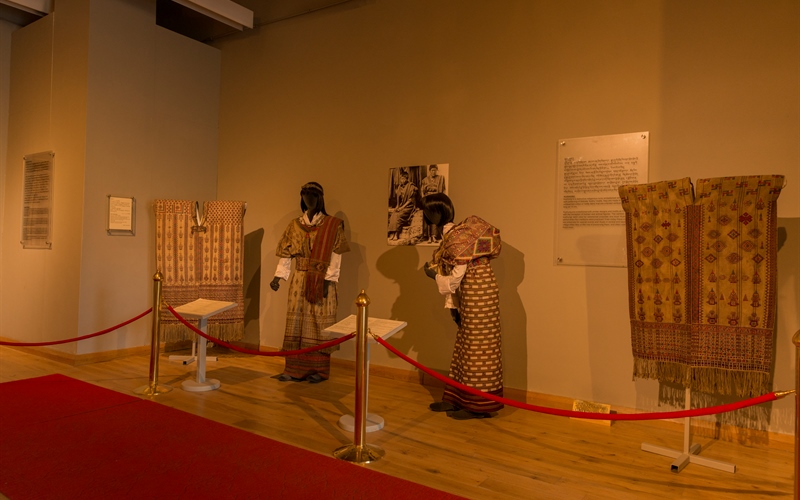
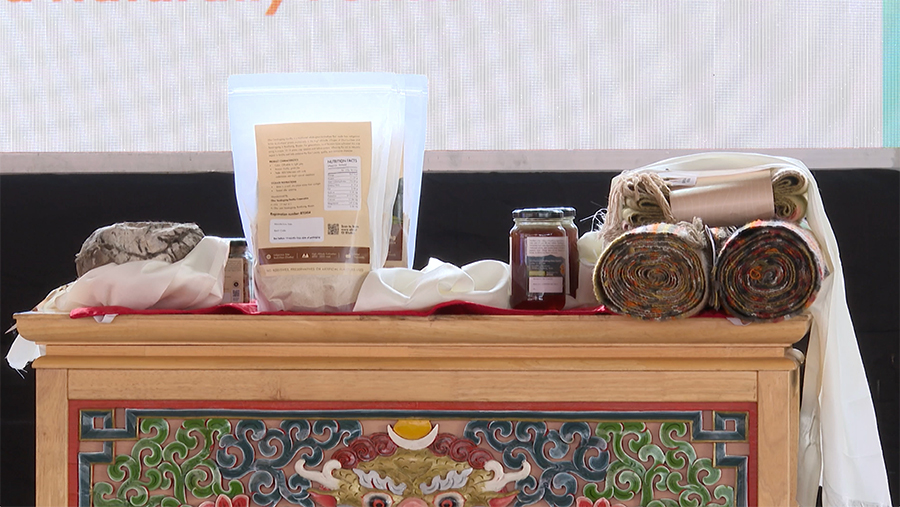
The newly registered products are Bumthang Yathra, Bumthang Honey, Dhur-Tandingang Gonthok, a traditional buckwheat flour, and Merak-Sakteng Zoetey, a fermented yak cheese.
The initiative gives legal recognition to products whose quality and reputation are closely linked to the places where they are produced. Officials say the certification will help preserve traditional knowledge, assure consumers of authenticity, and create greater economic value for local producers.
What is a Geographical Indication?
A Geographical Indication is a form of intellectual property that protects products with qualities or characteristics that are directly connected to a specific geographical area. It certifies that a product is authentic and produced according to established local traditions and standards.
According to the Department of Media, Creative Industry and Intellectual Property, the GI mark assures consumers that a product is genuine and originates from its recognised place of production.
Officials say this gives buyers greater confidence while allowing producers to command higher prices based on the authenticity and quality of their products.
Better opportunities for rural producers
For many producers, the new recognition represents more than legal protection. It also offers the possibility of stronger market recognition and improved livelihoods.
"Women in rural areas have been weaving for many years, but there has not been a proper market price for their products, resulting in low earnings. With our product now registered as a Geographical Indication, I think it can help improve the livelihoods of women in rural areas. It may also encourage some young people who want to remain in their villages," said Changa Lhamo, Chairperson, Bumthang Yathra Corporation.
Honey producers also expect the certification to strengthen quality standards while increasing the value of their products.
"Before our product was registered as a Geographical Indication, we only needed BAFRA certification, which was relatively simple, and there was less emphasis on maintaining quality. Now, we have to follow quality standards throughout the entire process, from raising the bees to harvesting the honey, and complete more certification requirements. Although it involves more work, I think it will benefit us because the product can earn better recognition and a better price," said Rinzin Dorji, Chairperson, Bumthang Bee Corporation.
Raising standards and consumer confidence
Officials say the GI mark helps consumers identify authentic products and distinguishes them from similar goods produced elsewhere.
"If we have a geographical indication mark, a genuine mark controlled by the National IP Office on the product, then it is easy. Instantly, the presence of that mark answers every question the consumers have. So, when information is right in front of the consumers, consumers obviously have to pay for more. It’s not a regular commodity. It becomes premium. It becomes a luxury. It becomes a status symbol for those who own GI products. So, communities are going to earn more income by selling fewer products if they have a GI mark," said Lekey Dorji, Officiating Chief, Department of Media, Creative Industry and Intellectual Property.
Officials say the four products were selected because of their strong links to the culture, traditions and production practices of their respective communities.
To receive and retain GI certification, producers must comply with detailed quality standards set out in product-specific books of specifications. The Bhutan Food and Drug Authority will verify food and agricultural products, while the Bhutan Standards Bureau will assess textile and handicraft products.
More Bhutanese products could follow
The launch of Bhutan's first GI products is expected to be the beginning of a broader effort to recognise and protect more traditional products across the country.
Officials say they will continue identifying products that qualify for GI recognition while promoting the four newly registered products in both domestic and international markets.
The initiative aims to strengthen Bhutan's traditional industries, preserve cultural heritage, and create greater economic opportunities for the communities that continue to produce these distinctive local products.
From Cultural Heritage to Legal Protection
That shift is overdue, particularly for handwoven textiles such as Kishuthara, whose originality, reputation, and market value are increasingly threatened by machine-made imitations produced outside Bhutan. As manufacturing technologies enable traditional designs to be reproduced quickly and cheaply, authentic Bhutanese textiles face growing competition from products that imitate their appearance but not their origin, craftsmanship, or cultural significance. Sold at a fraction of the price, these imitations not only reduce the income of Bhutanese weavers but also erode the reputation built over generations.
Kishuthara is one of Bhutan's most distinguished handwoven silk textiles, rooted in the eastern district of Lhuentse, particularly the village of Khoma, where weaving remains both a cultural inheritance and a vital source of livelihood for women. The craft is passed down through generations, preserving techniques and motifs that have evolved over centuries. Some ceremonial pieces require close to a year to complete, and their value lies not only in their beauty but also in the skilled craftsmanship, traditional methods, and geographical origin that define their authenticity.
This is precisely why geographical indication law matters. A Geographical Indication (GI) is a form of intellectual property that protects products whose qualities, reputation, or characteristics are essentially attributable to their geographical origin. Unlike a trademark, which identifies an individual business, a GI protects the collective reputation of a community, recognising that a product's identity derives from its place of origin and traditional methods of production.
For Kishuthara, GI protection goes beyond preserving a name. It assures consumers that the textile is genuinely produced in its recognised region according to established standards, while enabling authentic producers to distinguish their products in the marketplace and command premium prices. By linking economic value to authenticity, GI protection also supports the continued transmission of traditional knowledge.
Against this backdrop, machine-made textiles produced outside Bhutan but marketed under Bhutanese names, or in ways that imply Bhutanese origin, raise serious legal and ethical concerns. Such practices misappropriate the reputation earned by generations of Bhutanese artisans, mislead consumers, and create unfair competition for genuine producers. Cheaper industrial copies undermine the market for authentic handwoven textiles and threaten the long-term viability of weaving as a rural livelihood.
Geographical indication protection offers one of the strongest legal mechanisms to address this challenge. Unlike copyright, which offers limited protection for traditional designs, or patents, which are intended for novel inventions, GI law directly protects the reputation associated with geographical origin. It prevents others from exploiting that reputation through false or misleading claims while preserving both the economic value of authentic products and the cultural heritage they represent.
Ultimately, protecting Kishuthara through a robust GI regime is about more than regulating commerce. It safeguards the connection between product, place, and community, ensuring that the benefits of Bhutan's textile heritage remain with the artisans who have sustained it for generations while giving consumers confidence in the authenticity of what they purchase.