

Phuentsholing Moves From Transit Point Towards Tourism Destination
Phuentsholing has launched a tourism brand, digital visitor services and new experiences aimed at encouraging travellers to stay longer.
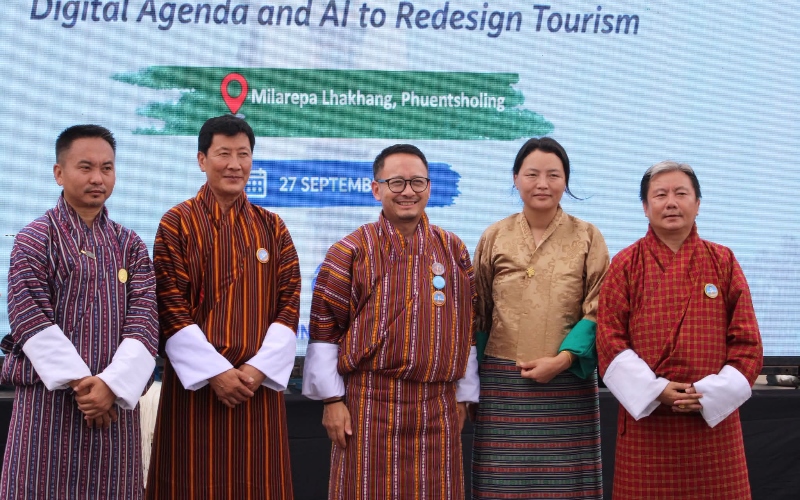
Phuentsholing has launched a destination brand, digital visitor services and new tourism initiatives as part of an effort to turn Bhutan’s busiest southern gateway into a place where travellers stay and explore.
The initiatives were introduced on 27 September to coincide with World Tourism Day. They form part of the Phuentshogling Thromde Enhancement Programme, which seeks to improve the town for residents, businesses and visitors.
Phuentshogling lies on Bhutan’s border with the Indian town of Jaigaon in West Bengal. It is one of the country’s four official entry points by road and an important centre for trade. However, many travellers use the town mainly as a transit point before continuing to Thimphu, Paro and other destinations in western Bhutan.

A Brand Built Around the Town
The new Prosperous Phuentshogling brand is supported by a media and communication strategy intended to give the town a clearer identity as a destination.
The initiative includes a dedicated website, social media channels, brand guidelines, promotional materials and digital content. Online payment functions and a booking platform are also planned.
The launch follows a contract signed earlier in 2026 between the advisory team for the Phuentshogling Thromde Enhancement Programme and XCEED Studio, a Bhutanese digital solutions company. The company was commissioned to develop destination branding and online tools presenting attractions, visitor information and experiences in and around the town.
The project is intended to make practical information easier to find while giving travellers more reasons to remain in Phuentshogling. Its effect will depend on whether the digital campaign is matched by accessible experiences, reliable services and clear arrangements for visitors.
Extending Access Beyond the Town Centre
Tourism officials are also testing ways for visitors using Bhutan’s 24-hour border-town Sustainable Development Fee waiver to reach selected attractions outside the usual Phuentsholing zone.
The Sustainable Development Fee, commonly known as the SDF, is a daily visitor levy that contributes to public services, conservation and tourism development. Visitors may spend up to 24 hours in Phuentshogling and three other designated border towns without paying the fee, provided they remain within the approved areas.
Under a regulatory trial connected to the enhancement programme, eligible visitors can access Milarepa Lhakhang and the Pachu Community Ecotourism Site during the Pachu Harvest Festival. Milarepa Lhakhang is a Buddhist temple beyond the Rinchending checkpoint, while the Pachu site offers community-based activities outside the urban centre.
Visitors using the arrangement must travel through an approved tourism package and be accompanied by a licensed guide. Procedures cover registration, movement and monitoring.
The trial is significant because the usual boundary of the waiver limits how far visitors can travel without becoming liable for the SDF. Carefully managed access to nearby sites could help local operators develop short itineraries while providing evidence about demand, visitor behaviour and the practical effects of extending the waiver.
Digital Tools for Tourism Guides
The World Tourism Day programme also included the launch of the Bhutan Tour Guides Network, a digital platform designed to help licensed guides share information and access professional resources.
The network is initially available through Telegram, with a dedicated website expected later. Tourism officials said it was developed using feedback from guides.
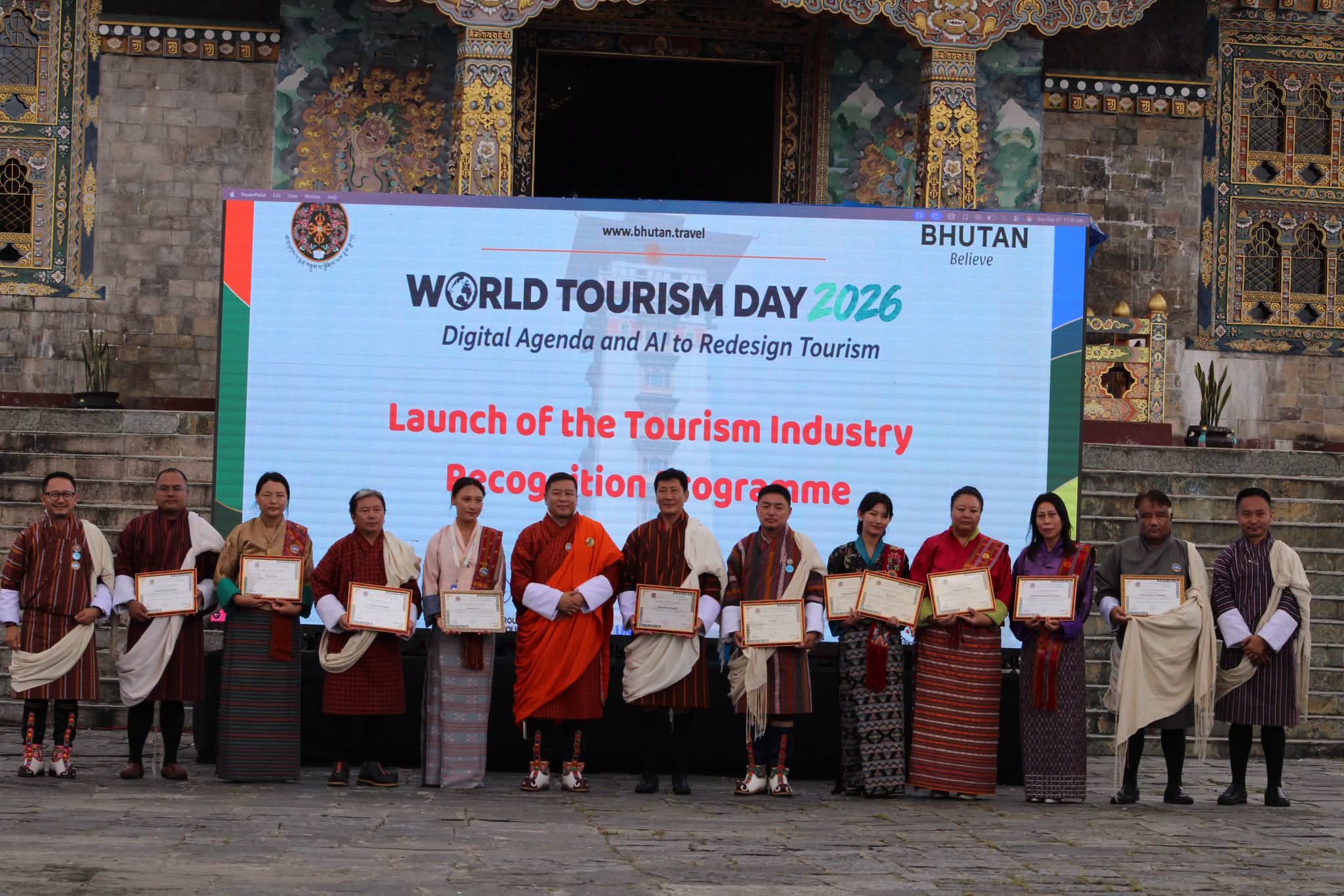
A separate tourism recognition system was also introduced to acknowledge individuals and communities that have contributed to the sector. Details about its assessment process and categories have not yet been widely published.
Together, the initiatives extend beyond destination marketing. They connect visitor promotion with professional coordination, community participation and experiments in tourism regulation.
Measuring the Benefits for Local Businesses
Phuentsholing’s location gives it a substantial flow of travellers, but passing through a town does not automatically generate broad local benefits. Visitors need clear reasons to stay, suitable places to visit and straightforward ways to arrange activities.
The new brand and booking tools may improve the town’s visibility, while the regulatory trial could widen the range of experiences available. Their economic effect will need to be measured through visitor stays, hotel occupancy, spending and participation by small businesses and communities.
Phuentsholing’s transition from gateway to destination will therefore depend on more than a marketing identity. The next test is whether the new services and permitted experiences can convert border traffic into longer stays while remaining practical for visitors and beneficial to local residents.