
What are the popular agricultural produce in Bhutan?
Subsistence farming is an integral part of the Bhutanese economy. Cultivating staple crops like rice, maize, barley, wheat and millets for self-consumption has been the practice from time immemorial.
Bhutan’s efforts towards agricultural modernisation began with its first five-year plan in 1961. Due to commercialisation and technological interventions in the last decade, the country has seen an increasing trend in food production.
Popular Bhutanese produce includes apples, Bhutanese red rice, chillies, cardamom, potatoes, oranges, matsutake mushrooms, and honey.
1) Apples
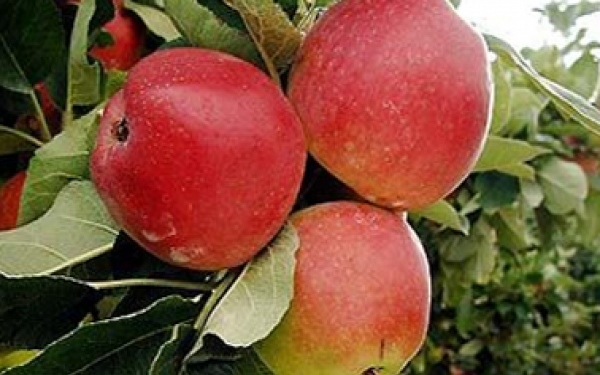
Thimphu, Paro and Haa districts are the primary producers of apples in Bhutan, due to its ideal climatic conditions. In 2019, the apple yield for Bhutan was 59,600 kg per ha. Apple cultivation also increased considerably due to improved transportation facilities, marketing, and the close proximity of the horticulture promotion and research facilities.
A large proportion of the apples grown in Bhutan are Royal Delicious, Red Delicious and Golden Delicious. During winter, these varieties require 700-800 hours of chilling below 70°C to break the winter dormancy.
The apple harvest season starts in August and extends up to October. Bhutanese apples are largely exported to Bangladesh and India.
2) Bhutanese Red Rice
Rice is the major staple crop in Bhutan, and rice production plays an important role in the kingdom. Although rice is not the largest produced cereal in the country, it is definitely the most widely consumed. Wangdue Phodrang, Paro and Punakha districts have the highest rice production in the country.
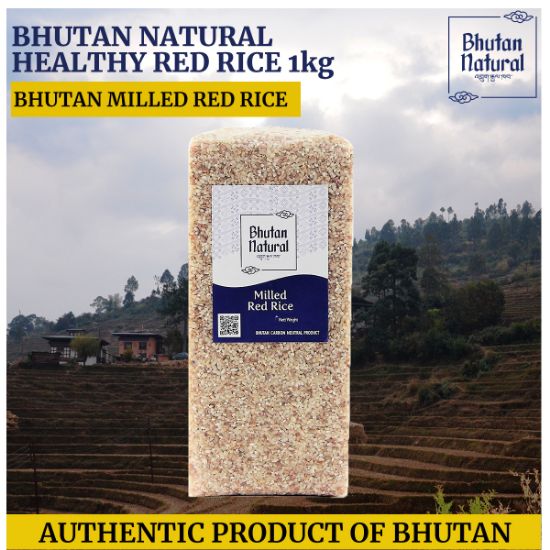
In Bhutan, red rice is more common than white rice. Bhutanese red rice is red japonica rice; it is semi-milled, medium-grain rice and cooks faster than unmilled brown rice. The rice turns pale pink, soft and slightly sticky.
Red rice is considered healthier than white rice. Red rice is the perfect source of carbohydrates while being gluten-free. It has natural anti-inflammatory properties and vitamin B6 with a high content of fibres and macro-nutrient while offering a low glycaemic index.
Bhutanese varieties of red rice include Bajo Maap 1 and 2, Bajo Kaap 1 and 2, Yusi Ray Maap and Yusi Ray Kaap. Zow or roasted rice is a typical Bhutanese snack made from red rice. Red rice is deeply linked to the people of Bhutan as it is a type of rice that has been grown locally for centuries. However, red rice yield is fairly low because it is grown naturally without any pesticides or fertilisers.
Due to cheaper white rice alternatives from India and urbanisation in the country, Bhutanese red rice faces the threats of decreased production. This has resulted in red rice production becoming more expensive, and most people cannot afford to eat it as part of their daily meals. It is now more frequently eaten on special occasions.
Here's where you can purchase Bhutanese red rice online.
3) Chillies
Chilli is an essential spice in all Bhutanese homes. It is the most important component of the Bhutanese diet. Bhutan’s most popular dish, ema datsi, is a mixture of chilli and cheese, cooked as a kind of stew, enjoyed by both locals and tourists alike.
While chillies are ubiquitous at every Bhutanese meal, it is hard to grow chillies in Bhutan due to climatic reasons. Hence, a substantial amount of chillies are still imported from India, especially during the winter season.
The chillies species cultivated in Bhutan include Capsicum annuum, Capsicum frutescens, Capsicum pubescens, and Capsicum baccatum. There are different varieties of chillies, such as red, green, fleshy, slender, round, dried, blanched, powdered, and pickled.
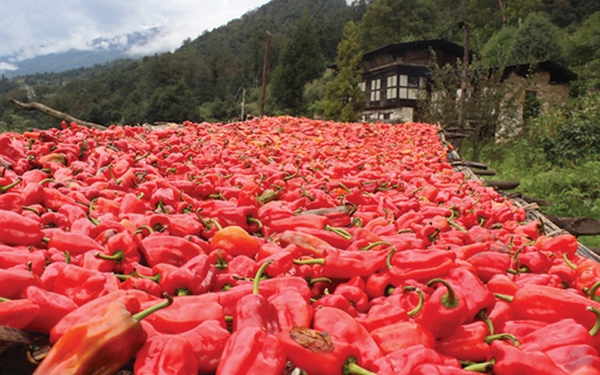
Cultivation of chilli peppers in Bhutan is a very complicated process, which starts in winter and ends in the middle of autumn. Red chillies are harvested in September and October and are dried on rooftops or in the fields. They are also strung on a rope and hung in windows on Bhutanese homes.
4) Cardamom
Cardamom, which was first introduced in Bhutan in the early 70s, is Bhutan's top ten export commodity. The major districts growing cardamom are Chukha, Samtse, Sarpang, Tsirang and Dagana. Cardamom is known for its high natural qualities, containing 2-3% essential oil.
Large cardamom is a shade-loving plant and grows in hilly areas on marginal lands with gentle to medium slopes and loamy soil. It is best stored in pod form because once the seeds are exposed or grounded, they quickly lose their flavour. Large black cardamom seeds have a sweetish, smoky flavour when bitten.
Cardamom is used as a flavouring agent in food and an essential ingredient in mixed spices preparation. It also has high medicinal value in preventing digestive disorders, teeth and gums infection, bad breath, depression, sore throat, lung congestion and eyelid inflammation.
5) Potatoes
Potatoes are one of the widely produced, consumed and traded horticultural crops in Bhutan. Potatoes are grown all over the country. Farmers in some districts like Bumthang and Haa rely on potato crops for their livelihood since they buy cereals through the revenue generated from potatoes.
Potato varieties commonly grown in Bhutan are Desiree, Kufrijyoti, Khangmakaap and Yusikaap. Trashigang, Wangduephodrang, and Chukha have the highest production of potatoes in Bhutan. In high altitude places like Bumthang and Haa, potatoes are planted in February/March and harvested in July to September, depending on the variety grown.
However, in mid-altitude locations like Trashigang and Chapcha, potatoes are planted in December/January, and the crops are harvested from June to July.
Potatoes are usually cooked in combination with meat and cheese, and of course, chillies. Most Bhutanese potatoes are exported to India in northern West Bengal, Assam, as well as Bangladesh.
Today, several local entrepreneurs had successfully produced potato chips with authentic local flavour.
6) Oranges
Orange is considered one of the main cash crops, a primary source of income for rural households. These include growers, traders, processors, and people who gained employment in the citrus industry. Orange in Bhutan is grown in Dagana,Tsirang, Sarpang, Samtse, Samdrup Jongkhar, Zhemgang and Pemagatshel districts. The suitable altitude for the growth of oranges is 1,100 meters above sea level.
The mandarin orange that belongs to the species Citrus reticulata ‘Blanco’ is the most widely grown citrus in Bhutan. There are two varieties; Sikkim mandarin concentrated in the south-west districts, and Khasi mandarin dominates the south-central and south-east districts. Farmers prefer these varieties due to their ease of management and availability.
In 2014, exports of the fruit brought more than USD 10 million to Bhutan. The existing well-established export markets are Bangladesh and India.
7) Matsutake mushrooms
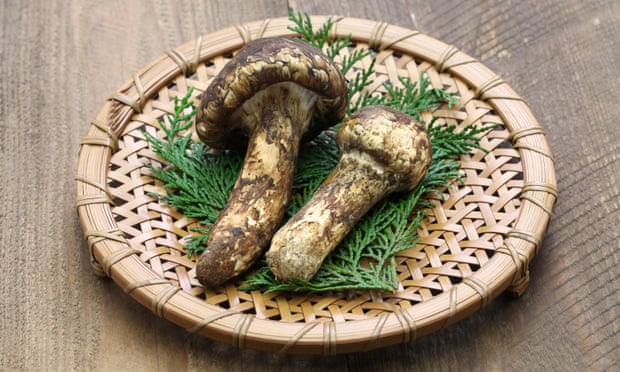
Matsutake mushrooms are locally known as ‘Sangay Shamu’ in Bhutan. The scientific name is Tricholoma matsutake, also known as pine mushroom. The gourmet mushrooms have often been referred to as the king of mushrooms. The village of Genekha in Thimphu and Ura in Bumthang is famous for Matsutake mushrooms.
Matsutake is a seasonal product, and they grow only in deep pine forests at an elevation of over 9,000-feet. Bhutan currently exports matsutake mushrooms to Japan, Singapore, Thailand and China.
Matsutake mushrooms have a distinct and thick appearance, with a specific flavour and spicy-aromatic odour. The mushroom is rich in dietary fibre, anti-inflammatory agents, protein and vitamins such as B1, B2, and Vitamin C. It has low saturated and unsaturated fat. It is also proven to be effective in improving the immune system and fighting different cancers.
Unfortunately, due to climate change, Sangay Shamu may not be around for long. The mushrooms are not growing as widely as they once did in the past. Insufficient snowfall and moisture caused by melting glaciers upstream have changed the ground conditions to be less ideal for the growth of the mushrooms.
Matsutake mushrooms are more expensive than other types of mushrooms because they cannot be cultivated and grown in large numbers domestically. They are collected from the forest only once a year, from July till September, thus making it prized produce.
There is even a festival held to celebrate the precious mushrooms.
Matsutake Festival
Matsutake Festival was first started in 2015. It is held annually in August in beautiful Ura, Bumthang and Genekha, Thimphu, to celebrate the harvest of Bhutan's fabled wild matsutake mushrooms.
The festival is a great time to enjoy the fresh matsutake mushrooms prepared by the locals. You can also learn about sustainable harvesting practices, gain insights into the Bhutanese customs, enjoy folk music and witness sacred dances. The festival also exhibits other mushrooms that the locals collect and consume, along with some autumn vegetables and fruits.
8) Honey
Beekeeping started in Bhutan in 1990 with the help of Helvetas. In 1998, Helvetas started the Beekeeper’s Association of Bhutan to provide equipment, grants and training for the beekeepers.
Beekeeping is an unpredictable business as the success of beekeeping solely depends on the weather, rainfall and erratic flowers blooming. Beekeeping and harvesting are done commercially in Bumthang, Sarpang, Tsirang, Dagana, Samtse, Samdrupjongkhar and Trongsa.
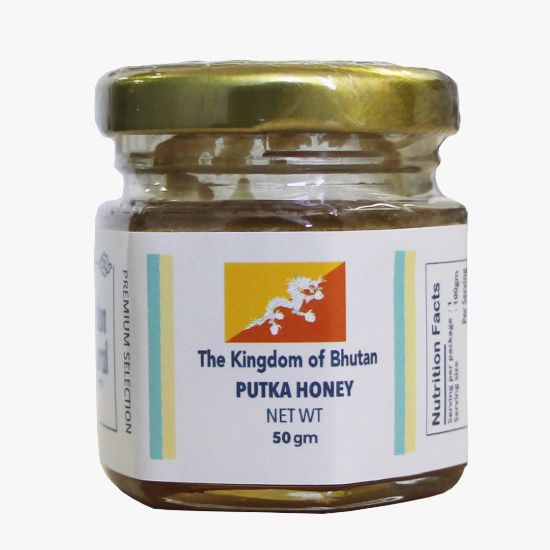
The processed honey is marketed within the country, and the main destination of honey export from Bhutan is Singapore. In Bumthang, beekeepers harvest honey twice a year: July and September. In Tsirang, the honey harvesting period is between November and December.
Bhutan's honey is pure and organic. They are produced from a variety of wildflowers known for their natural benefits and high antioxidants. The types of honey products in Bhutan are Buckwheat Honey, White Clover Honey and Native Wild Honey.
9) Cordyceps
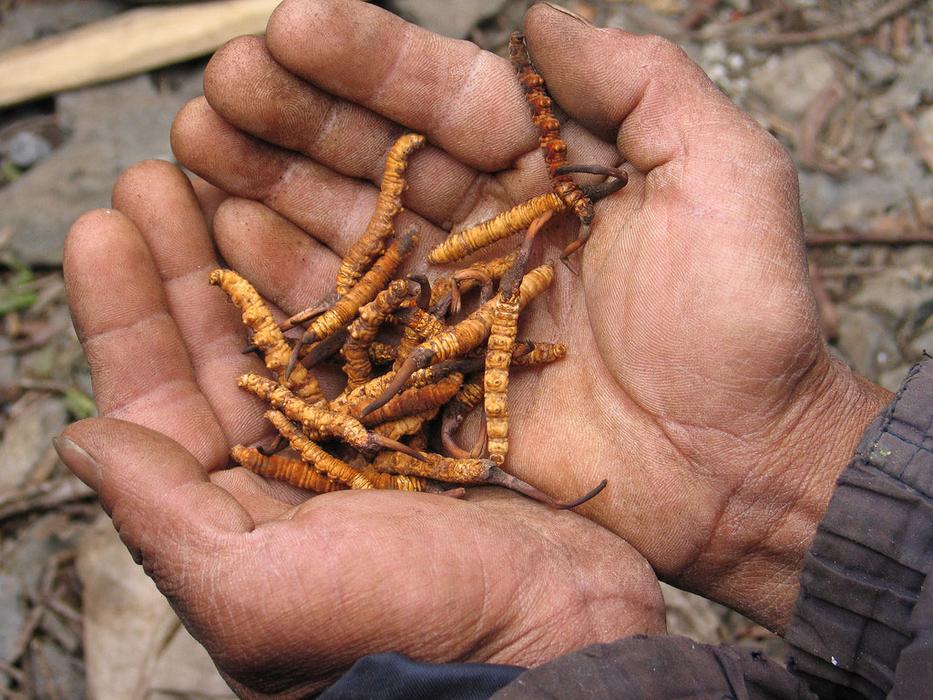
Cordyceps Sinensis is a caterpillar fungus known as "Yartsa Goenbub” locally. Cordyceps grow in the mountains of Bhutan at high altitudes at an elevation between 14,500 feet and 17,000 feet.
The fourth king, Jigme Singye Wangchuck, legalised cordyceps harvesting in June 2004. Cordyceps collectors must adhere to very strict guidelines on harvesting. Cordyceps in Bhutan grow from May to the beginning of July, and farmers are permitted to collect the plant for a month in June. Cordyceps are mostly collected by the highlanders living in Laya, Lunana and Bumthang and sold to Hong Kong, Japan and other Southeast Asian countries.
Cordyceps are widely used to strengthen the immune system, prevent cancer, ageing, respiratory infections, haemorrhage, and treat various health conditions.
Check out the 7 benefits of cordyceps.