
Princess Akiko Visits Bhutan as Japan and Bhutan Mark 40 Years of Diplomatic Relations
Princess Akiko of Mikasa visits Bhutan as Bhutan and Japan celebrate 40 years of diplomatic relations, highlighting decades of royal exchanges, Japanese development cooperation and growing cultural ties.
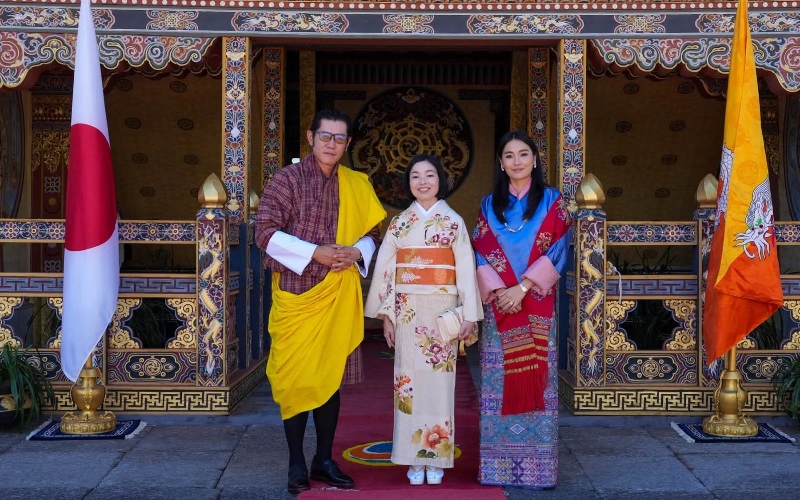
Her Imperial Highness Princess Akiko of Mikasa is visiting Bhutan as the two countries mark the 40th anniversary of diplomatic relations, continuing a long history of exchanges between Bhutan's Royal Family and Japan's Imperial Family.
Princess Akiko, a second cousin of Japan's Emperor Naruhito, arrived in Bhutan on August 7 and is scheduled to remain until August 14.
Bhutan and Japan formally established diplomatic relations on March 28, 1986. However, ties between the two countries began more than two decades earlier, particularly through Japanese support for Bhutan's agricultural development.
Royal welcome at Tashichho Dzong
On August 11, His Majesty King Jigme Khesar Namgyel Wangchuck and Her Majesty Queen Jetsun Pema received Princess Akiko at Tashichho Dzong in Thimphu.
Princess Akiko was escorted to the dzong in a traditional Chhipdrel procession before receiving an Audience with Their Majesties in the Golden Throne Room.
Their Majesties and Princess Akiko then offered a thousand butter lamps at the Grand Kuenrey of Tashichho Dzong for the victims of the earthquake that struck Kumamoto Prefecture in Japan on July 28. They also offered prayers for the full recovery of affected communities.
The gesture adds another chapter to a relationship that has included expressions of solidarity during difficult periods.
Following the Great East Japan Earthquake in March 2011, Bhutan offered prayers and support for the people of Japan. Later that year, during Their Majesties' State Visit to Japan, The King and Queen travelled to areas affected by the disaster, including Fukushima.
The visit came at a difficult time for Japan and remains an important moment in the relationship between the two countries.
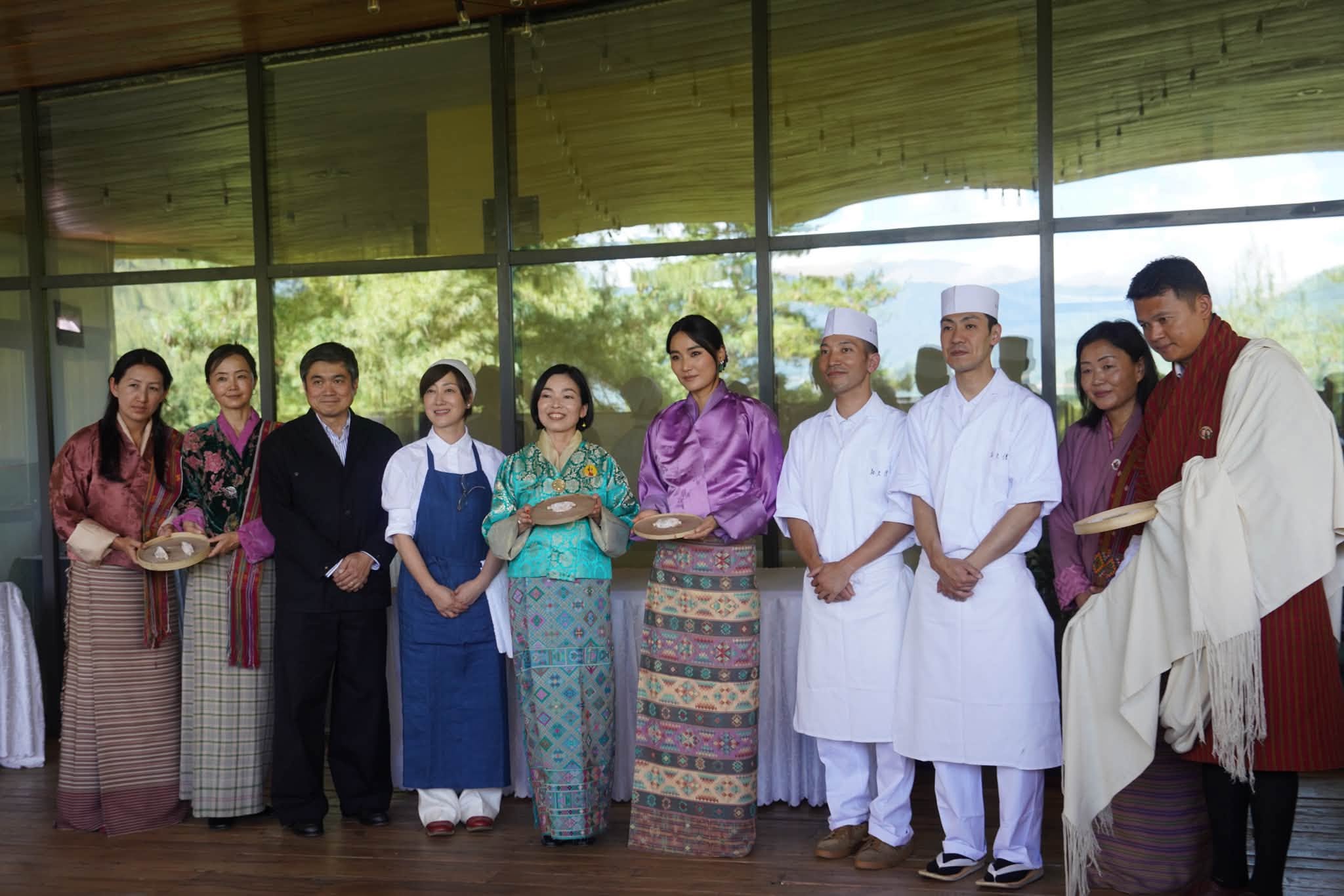
Queen Jetsun Pema and Princess Akiko join wagashi workshop
Her Majesty The Gyaltsuen and Princess Akiko also attended a workshop on wagashi, traditional Japanese sweets that are often shaped and decorated to reflect the seasons and are commonly served with tea.
Two chefs from Kyoto Wakuden demonstrated the craft for Her Majesty, Princess Akiko and participants from SELWA.
SELWA is a Bhutanese non-profit organisation under the patronage of Her Majesty The Gyaltsuen. It works with people with disabilities and their caregivers, alongside partner organisations and government agencies, to improve access to education, personal development and employment.
SELWA is working to establish a café to be run by young people with disabilities, providing opportunities for employment, skills development and interaction with the wider community.
The wagashi workshop therefore served both as a cultural exchange and an opportunity for participants to learn specialised culinary skills that could potentially be incorporated into the café and similar initiatives in the future.
A relationship that began before formal diplomatic ties
Although Bhutan and Japan established diplomatic relations in 1986, the foundations of the relationship were laid much earlier.
Japanese agricultural specialist Keiji Nishioka arrived in Bhutan in 1964 as a Colombo Plan expert to assist the country's agriculture sector.
He worked for decades with Bhutanese farmers and contributed to the modernisation of agricultural practices. His work became closely associated with the development of agriculture in Paro and later with agricultural development in other parts of the country.
In recognition of his contribution, His Majesty the Fourth King Jigme Singye Wangchuck conferred on Nishioka the title "Dasho" in 1980.
Nishioka remains one of the best-known figures in the history of Bhutan-Japan relations. His work also illustrates how practical cooperation and personal relationships between the two countries developed well before formal diplomatic ties were established.
Over time, Japan's cooperation with Bhutan expanded beyond agriculture into areas including infrastructure, healthcare, human resource development and disaster resilience.
Japan has since become one of Bhutan's longstanding development partners, with much of its technical cooperation implemented through the Japan International Cooperation Agency, or JICA.
According to figures published by Japan's Ministry of Foreign Affairs, cumulative Japanese economic cooperation with Bhutan includes 47.822 billion yen in grants and 26.49 billion yen in technical cooperation. The ministry's published data also records 5.763 billion yen in loans.
Japan's support for Bhutan's healthcare system
The partnership remains active four decades after diplomatic relations were established.
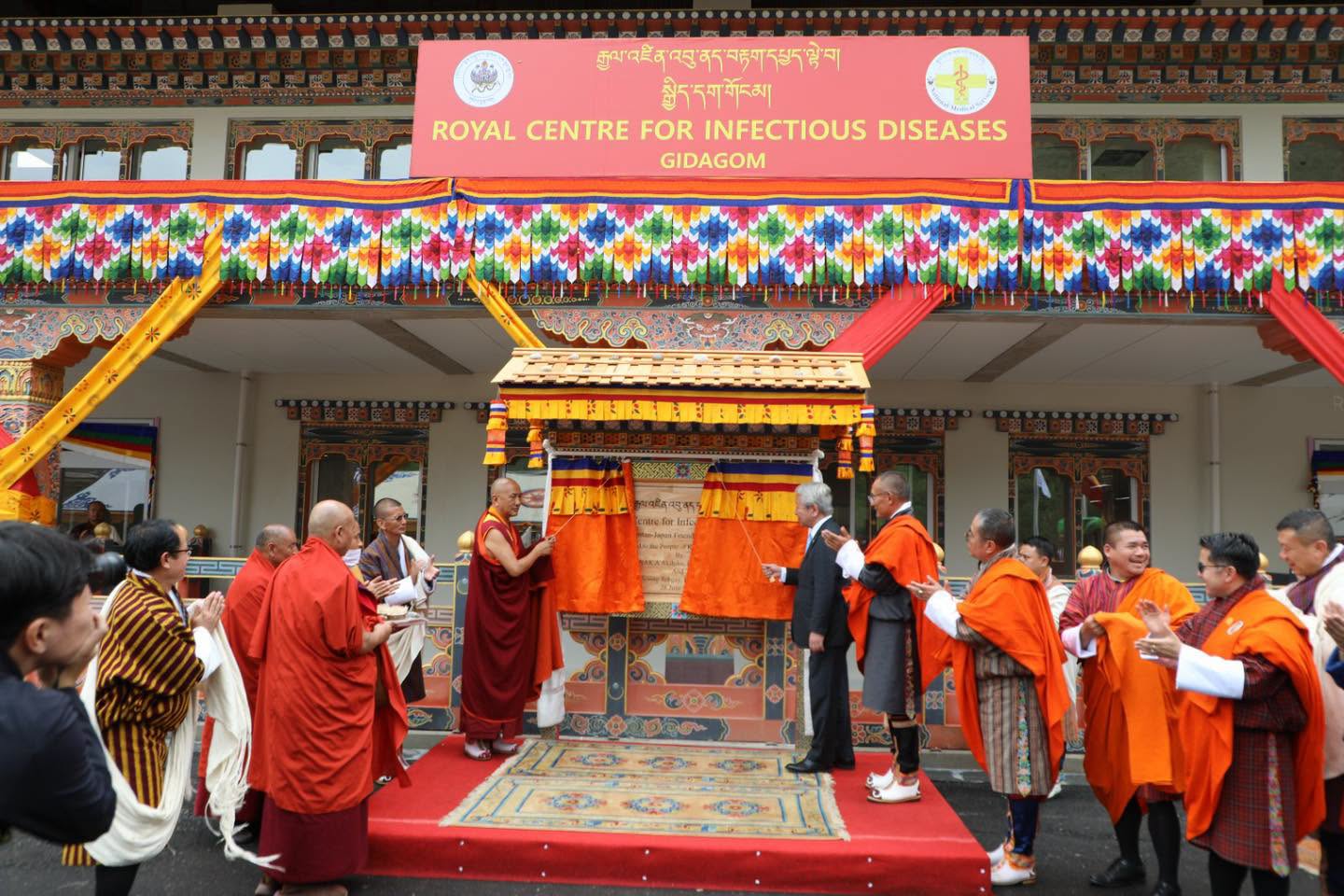
One of the most recent examples is the Royal Centre for Infectious Diseases at Gidakom in Thimphu, which was inaugurated on June 28, 2026.
The 80-bed centre was constructed with a 3.75 billion yen grant from the Government of Japan. According to JICA, it is Bhutan's first specialised hospital for infectious diseases and is intended to strengthen the country's capacity for diagnosis and treatment while also serving as a centre for training health professionals.
The project provides a practical example of how the Bhutan-Japan relationship has evolved from its early focus on agriculture into cooperation across areas of national development, including public health.
Decades of exchanges between the Royal and Imperial families
Exchanges between Bhutan's Royal Family and Japan's Imperial Family have become another distinctive part of the bilateral relationship.
Then Crown Prince Naruhito, now Emperor Naruhito, visited Bhutan in March 1987, just one year after diplomatic relations were established.
Prince Fumihito and Princess Kiko, now Crown Prince and Crown Princess Akishino, visited Bhutan in March 1997.
Their daughter, Princess Mako, visited Bhutan from May 31 to June 8, 2017. Her programme included attending the opening of the Royal Bhutan Flower Exhibition and events connected with Japan Week.
In August 2019, Crown Prince and Crown Princess Akishino travelled to Bhutan with their son, Prince Hisahito. Japan's Imperial Household Agency describes the journey as a visit to meet Their Majesties The King and Queen and other members of the Royal Family, as well as to learn about Bhutan's culture, customs, wildlife and natural environment.
Princess Akiko is also no stranger to Bhutan. She previously visited from March 5 to 12, 2024, at the invitation of Ashi Kesang Choden T. Wangchuck.
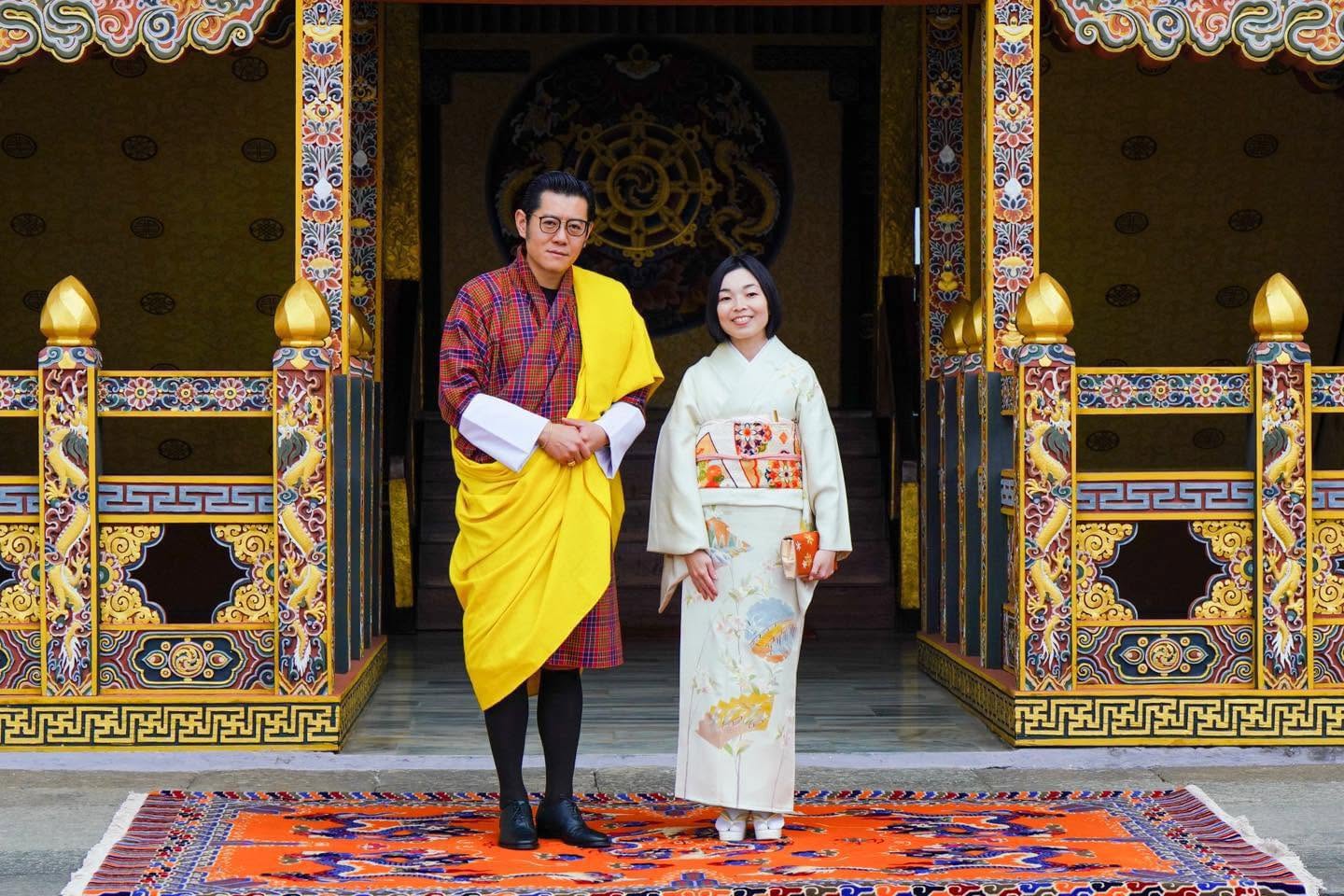
Her current visit therefore comes just over two years after her previous journey to the country and during an important anniversary year for bilateral relations.
Major visits by members of Japan's Imperial Family to Bhutan have included:
- March 1987: Crown Prince Naruhito, now Emperor Naruhito
- March 1997: Prince and Princess Akishino, now Crown Prince and Crown Princess Akishino
- May 31 to June 8, 2017: Princess Mako
- August 16 to 25, 2019: Crown Prince and Crown Princess Akishino and Prince Hisahito
- March 5 to 12, 2024: Princess Akiko of Mikasa
- August 7 to 14, 2026: Princess Akiko's current visit
The exchanges have also gone in the other direction, with members of Bhutan's Royal Family making numerous visits to Japan over the decades.
His Majesty the Fourth King Jigme Singye Wangchuck travelled to Japan for the funeral of Emperor Showa in 1989 and returned for the enthronement of Emperor Akihito in 1990.
When did The King last visit Japan?
The most recent visit to Japan by His Majesty King Jigme Khesar Namgyel Wangchuck listed in Japan's official bilateral record was in October 2019.
The King and Queen travelled to Japan to attend the Ceremony of the Enthronement of Emperor Naruhito. During the visit, His Majesty also met then Japanese Prime Minister Shinzo Abe on October 22.
At that meeting, His Majesty described it as his second visit to Japan.
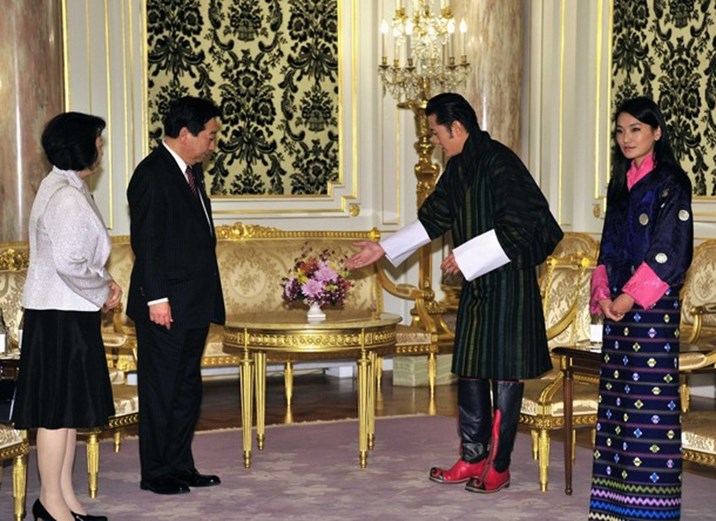
His first visit as King was a State Visit in November 2011, when The King and Queen travelled to Japan shortly after their Royal Wedding.
The visit took place only eight months after the Great East Japan Earthquake and included a journey to Fukushima, one of the areas severely affected by the disaster.
Their Majesties' presence in the affected region gave the visit particular significance and reinforced the personal dimension of relations between Bhutan and Japan.
Forty years of diplomatic relations
The 40th anniversary is being marked through diplomatic, cultural and development activities in Bhutan and Japan throughout 2026.
In March, Prime Minister Tshering Tobgay made an Official Working Visit to Japan. He met Japanese Prime Minister Sanae Takaichi on March 13, with both sides using the anniversary as an opportunity to reaffirm and strengthen bilateral relations.
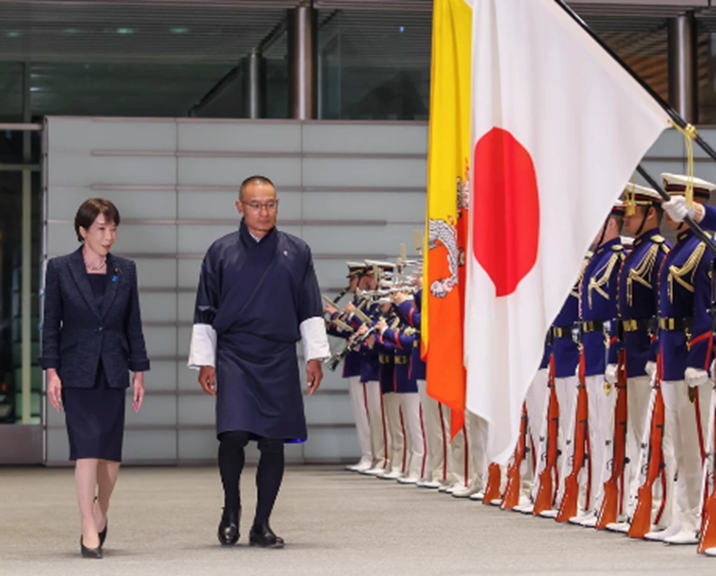
Japan Week in Bhutan is also scheduled for October 10 and 11 in Thimphu as part of the official programme commemorating the 40th anniversary.
While trade between the two countries remains relatively modest, Japan has played a significant role in Bhutan's development cooperation.
Japan's Ministry of Foreign Affairs recorded Bhutan's exports to Japan at 110 million yen in 2024, while imports from Japan were valued at 765 million yen.
The relationship has therefore been shaped less by the scale of bilateral trade than by decades of development cooperation, cultural exchange and sustained personal connections.
From Keiji Nishioka's agricultural work beginning in 1964 to exchanges between the Royal and Imperial families and Japan's continuing support for Bhutan's development, the relationship has evolved over more than six decades.
Princess Akiko's visit during the 40th anniversary year continues that history. Her engagements in Bhutan, including the wagashi workshop with SELWA, also show how cultural exchange can connect with practical efforts in skills development, inclusion and employment.