

Smiles Turn Strangers into Stories
A reflective exploration of travel photography beyond gear and technique, focusing on human connection, smiles, and mindful encounters, inspired by photographing people in Bhutan.
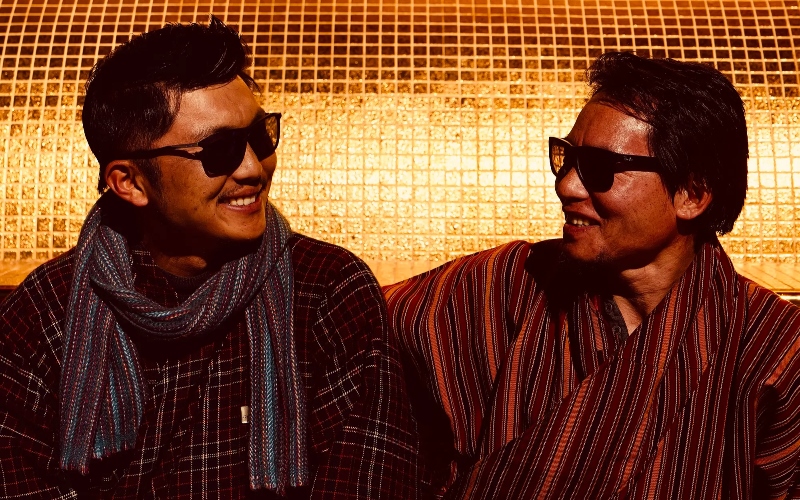
Photography often gets reduced to gear, technique, and timing.
Have you noticed that many photographers get fixated on talking about and comparing lenses, sensors, dynamic range, and sharpness, as if great images were engineered? You never hear painters discussing the brands of brushes they’ve used, the hues of paint, or the size of their canvases… It’s something very particular to photographers. Yet long before the shutter clicks, something far more critical happens: a silent dialogue. A human exchange. A shared moment that decides whether a photograph will feel alive or empty.
That moment usually begins with a smile.
A smile is one of the most fundamental tools we carry as photographers, yet it’s rarely acknowledged as such. It doesn’t appear in camera manuals, YouTube tutorials, or gear reviews. Still, it quietly shapes the outcome of countless photographs every day, especially when we’re working with people.
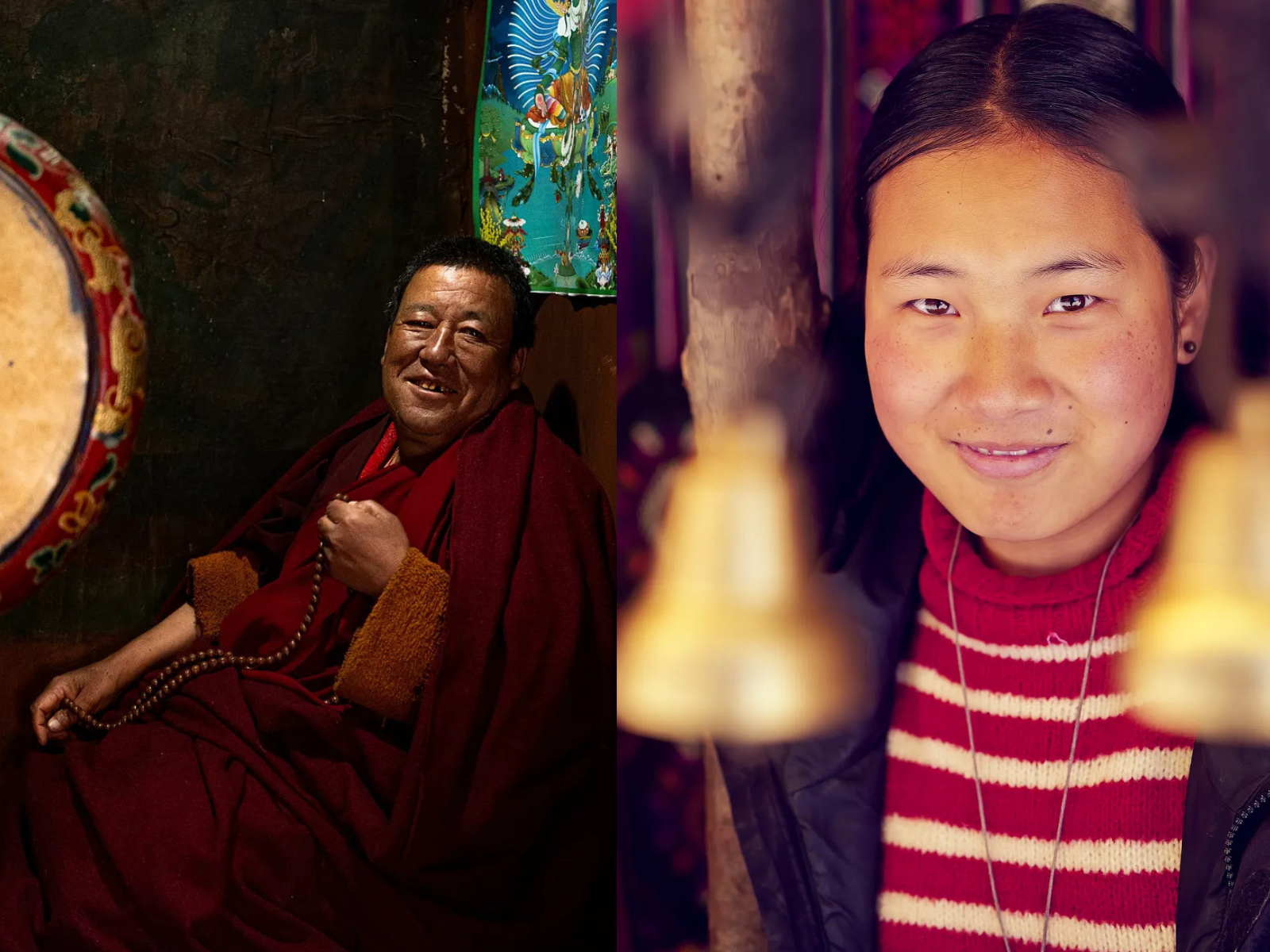
Photographs by the author
Unlike words, a smile needs no translation.
It crosses borders effortlessly and means roughly the same thing in almost every culture. It signals openness, respect, and safety. Words can be misunderstood or carry unintended weight, but a genuine smile tends to disarm rather than confuse. It softens situations and lowers invisible barriers between strangers.
When you’re photographing people in unfamiliar places, especially where you don’t share a language, this non-verbal communication becomes even more powerful. The smile becomes the introduction. It says, “I see you.” It says, “I’m not here to take something from you.” It turns the camera from an object of suspicion into a bridge between two people.
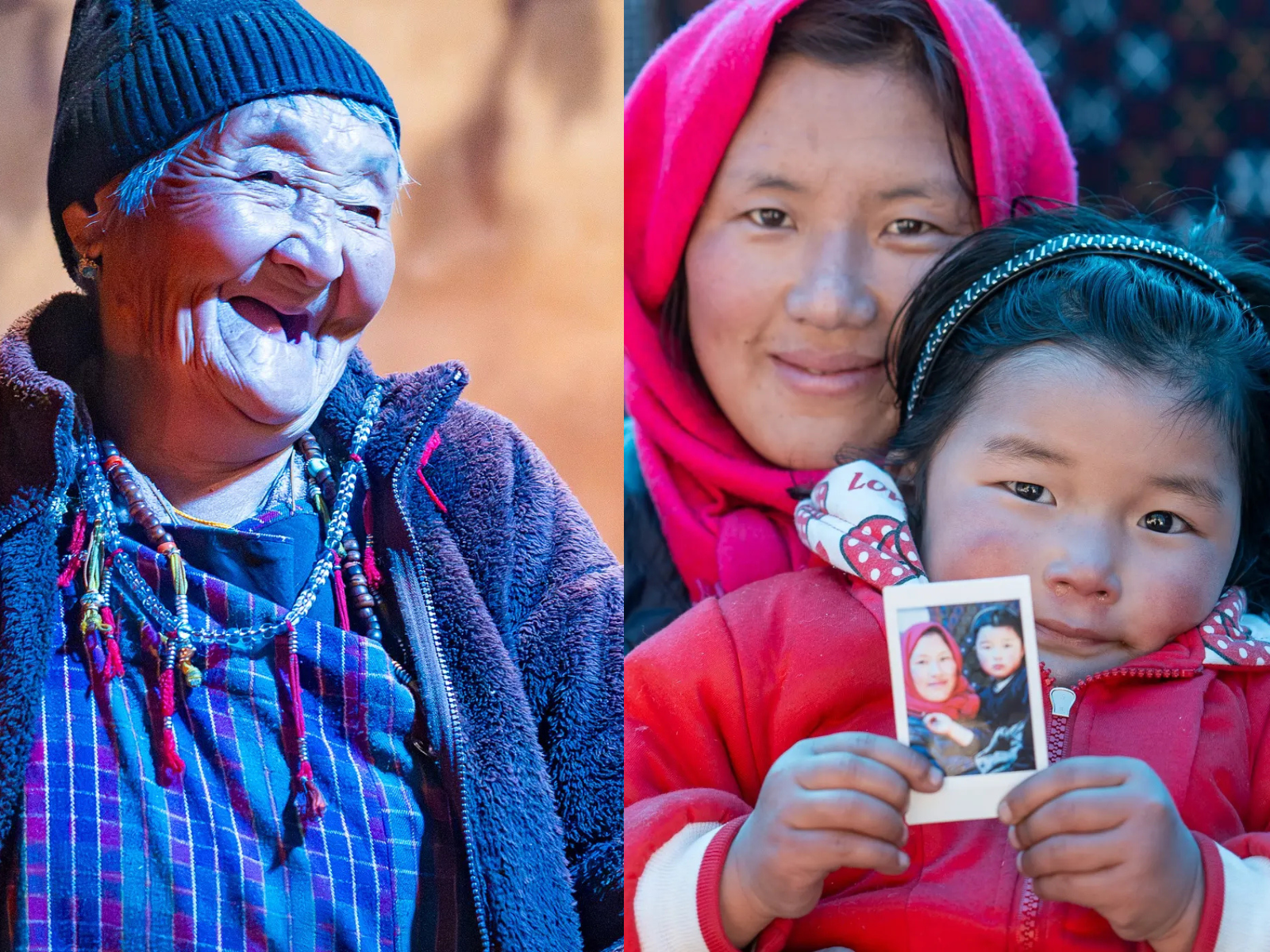
Photographs by the author
Many photographers underestimate how intimidating a camera can be.
A large lens pointed at someone’s face can feel intrusive, even threatening, regardless of intent. Add cultural differences, personal space boundaries, or simple shyness, and the situation can easily turn uncomfortable. This is where attitude matters as much as technique.
During my recent journey through Bhutan, this lesson surfaced again and again. I was visibly a foreigner. I carried cameras, straps, and gear that immediately marked me as an outsider. In moments like these, approaching strangers requires sensitivity. There is always hesitation on both sides. But something remarkable happened when I led not with my camera, but with my expression.
A gentle smile, followed by a respectful nod, often did more than words ever could. Faces relaxed. Shoulders dropped. Eyes met mine with curiosity instead of caution. What followed wasn’t a transaction, but an exchange. The photographs that emerged felt collaborative rather than extracted. These moments reminded me that photography is not only about what we see, but also about how we are perceived. When the intention is calm and kind, it reflects back into the image.
This is why I believe a smile is one of the most effective upgrades to a photographer’s toolkit.
It costs nothing. It adds no weight. It’s wireless. It doesn’t need charging or firmware updating. It never becomes outdated. Yet it has the power to instantly change the emotional temperature of a scene. More importantly, it changes us as photographers. Smiling slows us down. It shifts us from hunting mode to listening mode. It reminds us that there is a person on the other side of the frame, not just a subject or a travel trophy. This mindset often leads to images with more depth, honesty, and presence.
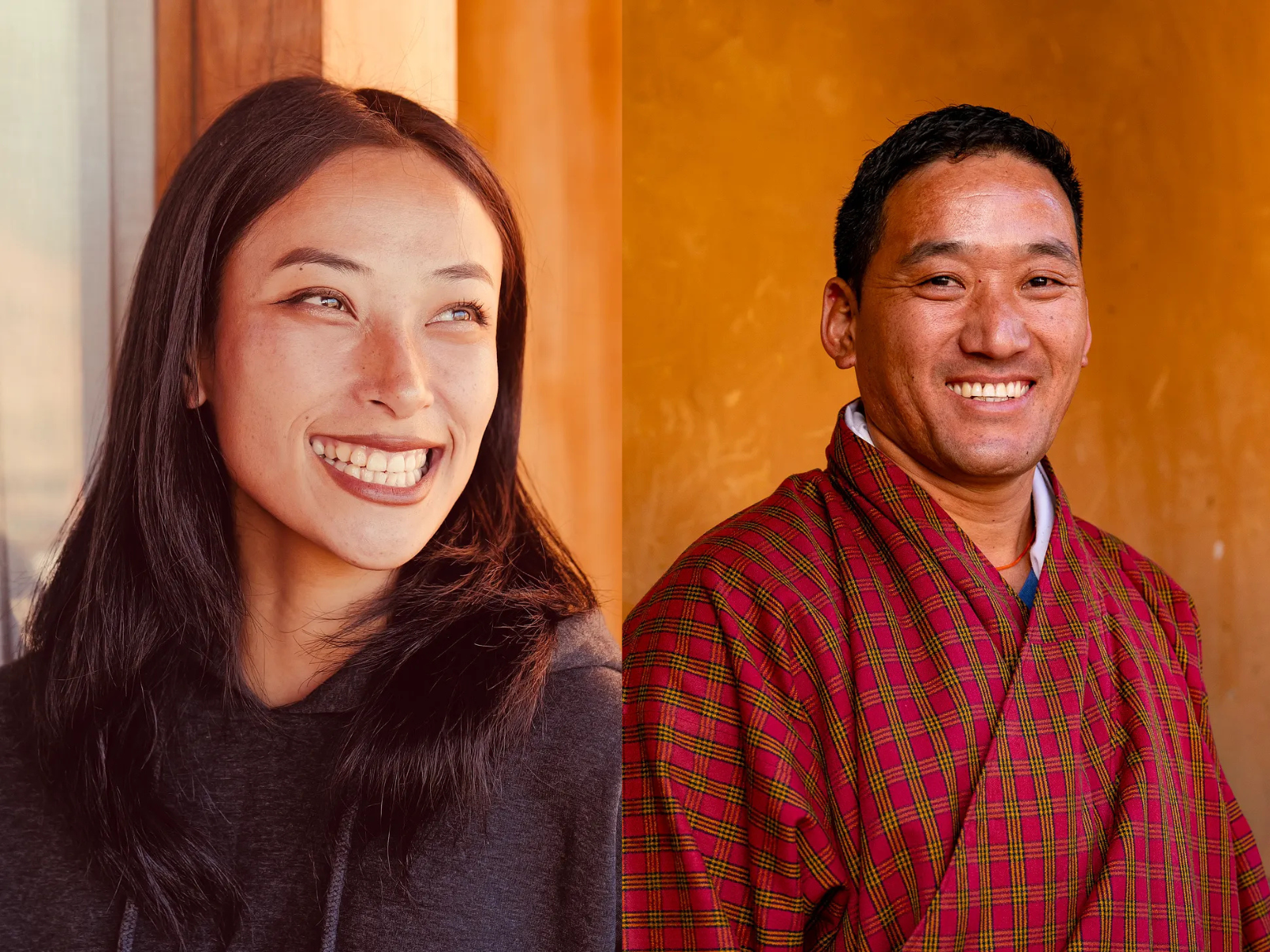
Photographs by the author
Photography, in many ways, works like a mirror.
What you project is reflected straight back at you. The energy we bring to an interaction is returned to us. Approach with tension, and tension appears in the image. Approach with openness, and the photograph breathes. This isn’t romantic thinking; it’s observable reality.
Some of the most meaningful portraits I’ve made weren’t technically perfect. They weren’t about flawless composition or ideal light. They were about the connection created between two strangers who got linked forever by the magic of photography. It’s about a brief moment where two people acknowledged each other, even without words.
If you feel nervous about approaching strangers, this is a gentle place to start.
You don’t need a script. You don’t need to feel confident about every technical setting. You only need presence. A smile. A small gesture of respect. A willingness to accept whatever response comes back. I approach people with a deep understanding that I have only one chance to make an impression, so I'd better make it a positive one for both parties.
Not every smile will lead to a photograph, and that’s okay.
Sometimes the exchange itself is enough. Sometimes the moment is meant to be lived, not captured. Learning to accept this is part of becoming a better photographer and a more grounded human.
“Life is not a problem to be solved, but a reality to be experienced.” - Søren Kierkegaard
So next time you head out with your camera, remember that the image doesn’t begin with the shutter, nor is it the end goal. It starts before that: in how you arrive, in how you look at others, in the quiet language you speak without words.
Your camera records light.
Your smile reveals humanity.
Use both wisely.
If these reflections have reshaped how you see travel photography, consider visiting Bhutan on a thoughtfully customised journey, where a simple smile often marks the beginning of every story.
To see more photos that reflect this intention, keep your eyes peeled on www.nuno-alves.com or follow me on Instagram @nuno_photographer.
View this post on InstagramView this post on Instagram