

Fourth GMC Volunteer Phase Sees 10,000 Participants, Lotus-Born Trail Inaugurated
Record participation in the fourth phase of the Gelephu Mindfulness City volunteer programme as 10,000 citizens join ground works and the Lotus-Born Trail is officially launched in Gelephu.
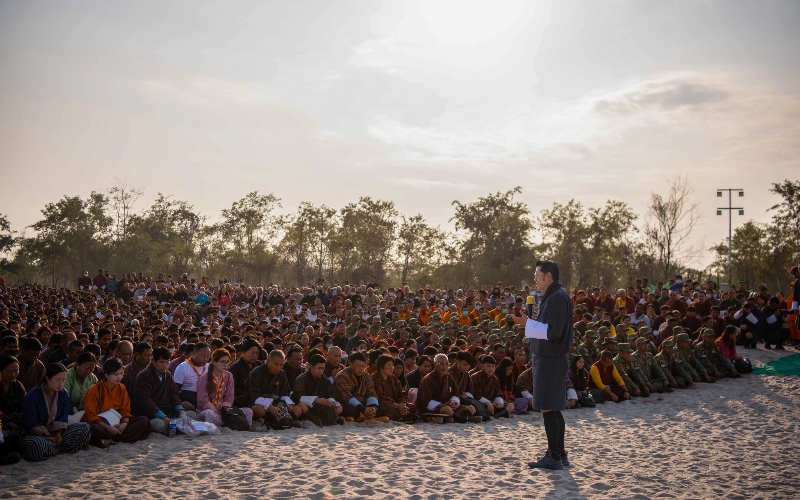
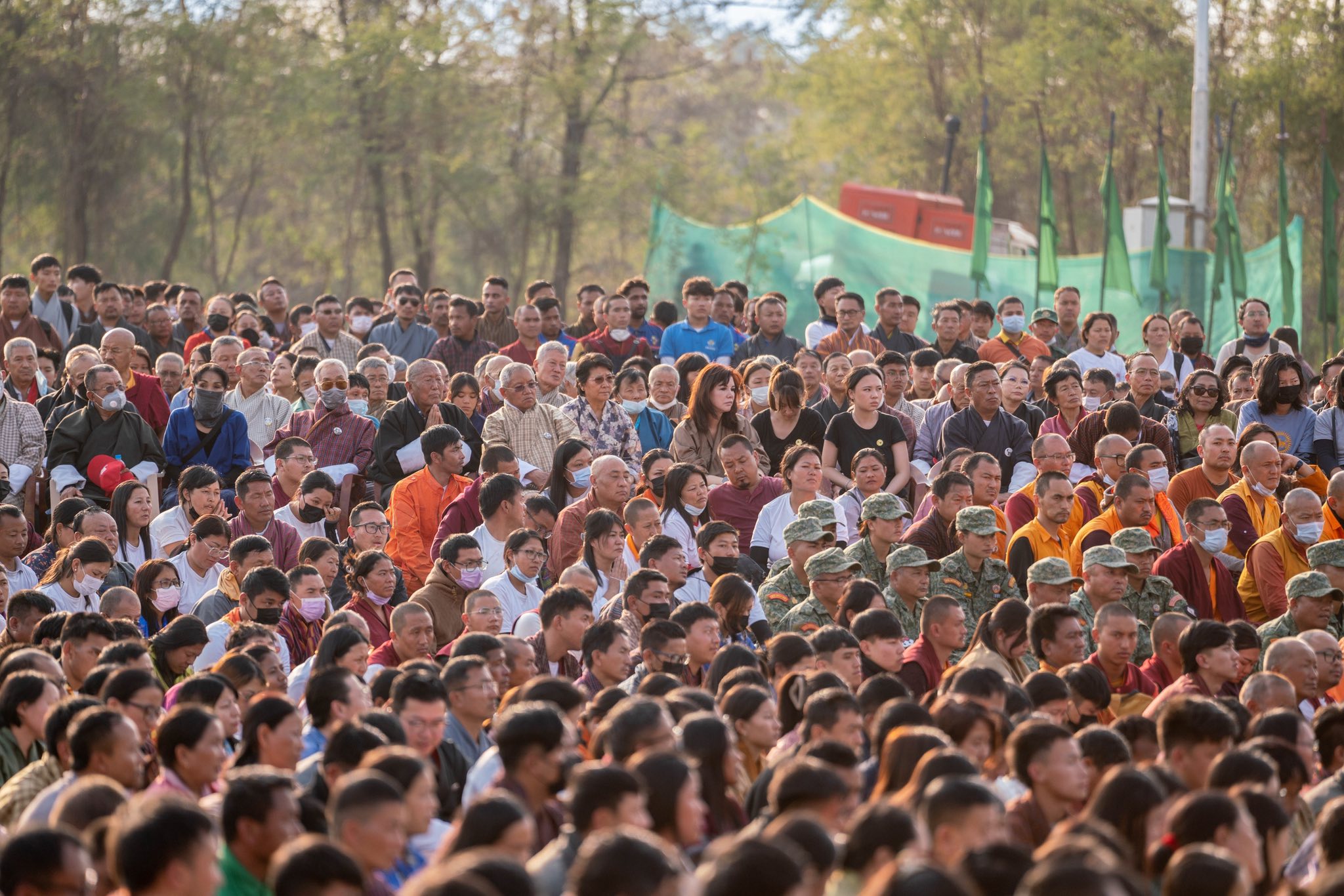
With an unprecedented 10,000 people taking part in its fourth round and cumulative participation now exceeding 22,500, the Gelephu Mindfulness City volunteer programme has entered a defining phase in Bhutan’s nation-building story. Each successive round has seen participation grow, signalling a quiet but powerful shift: citizens are no longer observers of the Gelephu Mindfulness City (GMC) vision, they are becoming its co-builders.
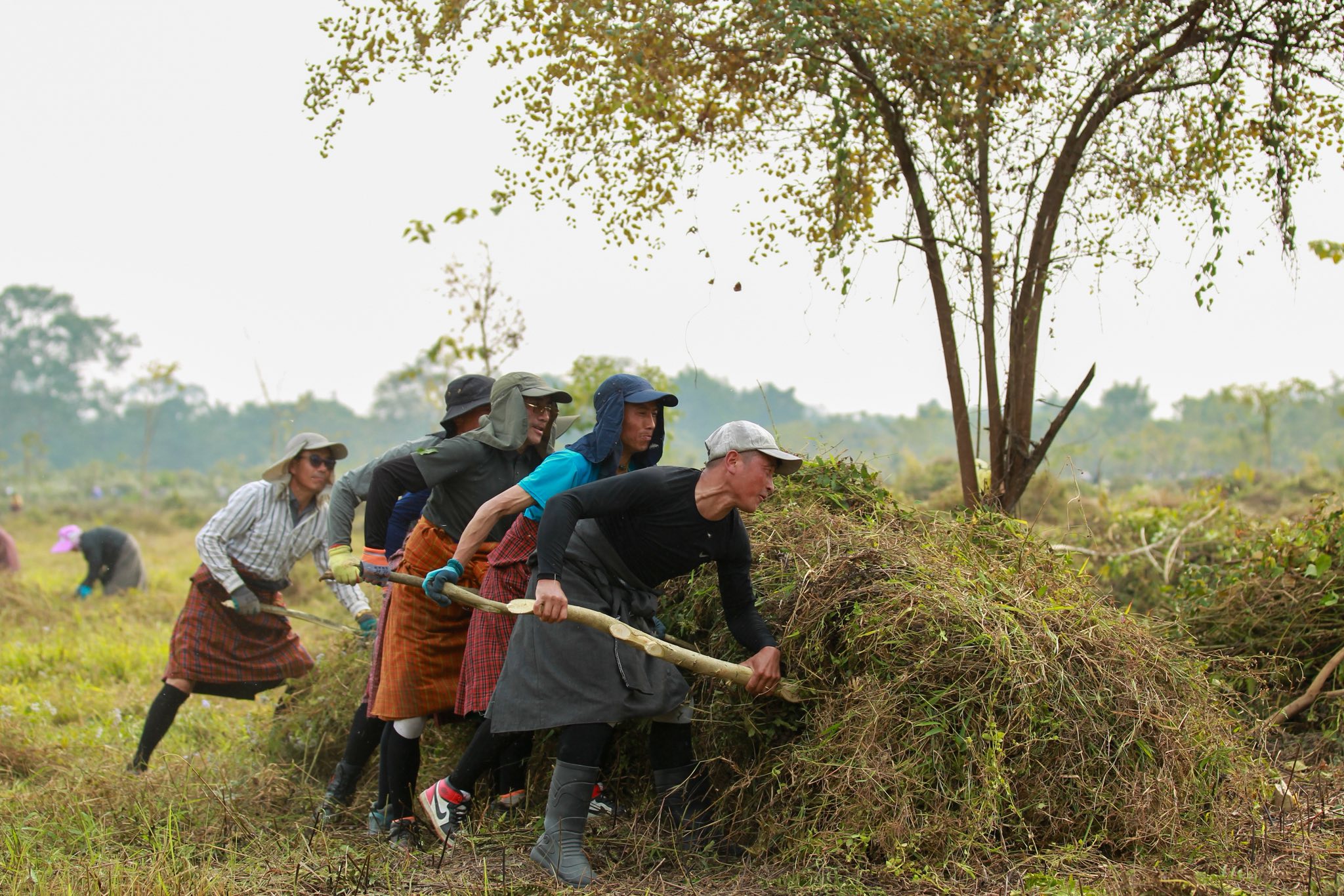
Across the open plains of Gelephu, volunteers have been clearing bushes and overgrowth. The task itself could have been completed more quickly with machinery. Yet efficiency was never the objective. The deeper meaning lies in thousands of people coming together to prepare the ground for a future that will influence the country for generations. It is a visible expression of unity and shared purpose, reinforcing the idea that this vision belongs to the nation as a whole.
A Vision Sustained by Participation
GMC stands as the physical manifestation of King Jigme Khesar Namgyel Wangchuck's vision for a Bhutan that is economically resilient, environmentally conscious, and spiritually grounded. Such an aspiration cannot be delivered through plans and policies alone. It depends on the consent, commitment, and participation of citizens. The volunteer service programme offers clear evidence that this collective buy-in is already taking shape.
In its scale and nature, GMC represents one of the most significant nation-building efforts in Bhutan’s modern history. While infrastructure such as roads, dams, and townships has long been part of national development, never before has a project of this magnitude been shaped so openly and voluntarily by citizens themselves. GMC is emerging not only from royal vision and institutional planning, but from the direct involvement of the people.

A Shift in the National Conversation
The public discourse has evolved. The question is no longer whether GMC will materialise, but how it can be realised thoughtfully and well. The progression from early scepticism to engagement, and now to shared ownership, marks an important turning point. Ownership, however, carries responsibility. For GMC to remain a people’s project, involvement must extend beyond volunteer activities to sustained civic discipline, patience for long-term outcomes, and engagement at every level of development.
The volunteer service programme has demonstrated what becomes possible when citizens feel invested in their collective future. The challenge now lies in converting this wave of goodwill into lasting momentum. GMC’s success will depend less on the scale of its ambition and more on the strength of the shared commitment behind it. When citizens come together with sleeves rolled up, they make a simple yet radical declaration: “the future is ours.”
The Lotus-Born Trail Emerges
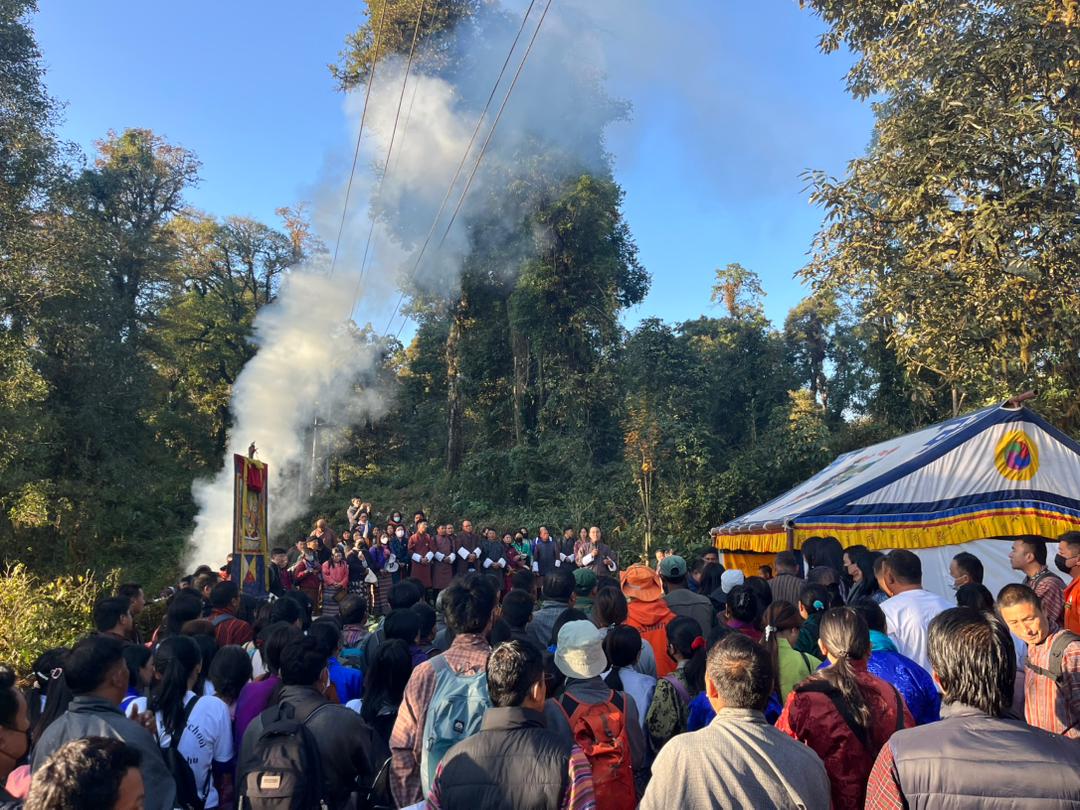
This same spirit of collective purpose was evident yesterday with the official launch of the Lotus-Born Trail during the fourth phase of the GMC volunteer service. The sacred pilgrimage and cultural heritage route, tracing the historic journey of Guru Rinpoche, was inaugurated at Lhayul in Chhudzom Gewog following a lhabsang ceremony and the unveiling of its official website, lotusborntrail.gmc.bt.
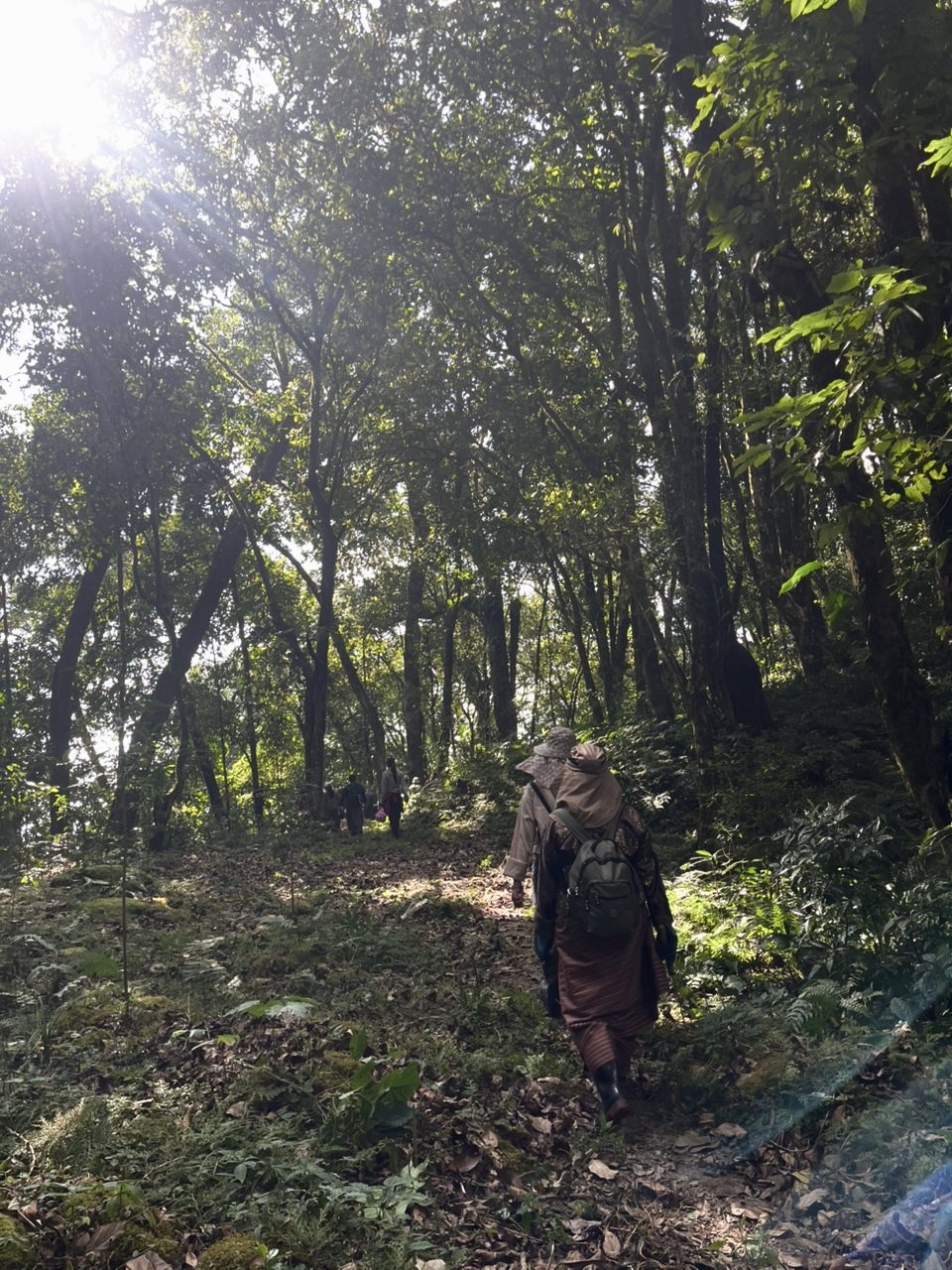
Approximately 200 volunteers participated in the launch. One group focused on clearing the Lhayul–Jigmeling stretch, while another worked on the Norbugang–Ritey section, marking the first phase of on-ground development.
A Path Rooted in Spiritual Heritage
The Lotus-Born Trail is conceived as a pilgrimage route following Guru Rinpoche’s eighth-century journey, believed to have entered Bhutan through the southern plains of present-day Gelephu, travelled via Nabji Korphu, and concluded at Kurjey Lhakhang in Bumthang upon the invitation of King Sindhu Raja. This journey forms a cornerstone of Bhutan’s Vajrayana Buddhist heritage.
According to GMC’s Spiritual Workstream Lead, Dasho Tashi Dorji, the development of the trail is intended to deliver benefits across spiritual, cultural, social, economic, and environmental dimensions. “These include preserving sacred landscapes, strengthening the transmission of oral histories, creating eco-tourism-based livelihood opportunities for local communities, promoting low-impact travel, and encouraging nature-based mindfulness practices,” he said.
Planned elements along the route include meditation shelters, interpretive centres, eco-lodges and homestays, as well as spaces for cultural performances and storytelling. By linking GMC with Kurjey Lhakhang, the Lotus-Born Trail is envisioned as a spiritual corridor that connects modern wellness initiatives with Bhutan’s living Buddhist traditions, underscoring that progress and heritage can, and must, advance side by side.