
Jomolhari Mountain Festival Launches Sustainability Plan With Nu 1 Million Seed Fund
Bhutan’s Jomolhari Mountain Festival launched a sustainability plan backed by Nu 1 million to support communities and snow leopard conservation.
The 12th Jomolhari Mountain Festival brought highland communities, conservation organisations and visitors together at Dangochong in northern Bhutan on 14 and 15 October 2026.
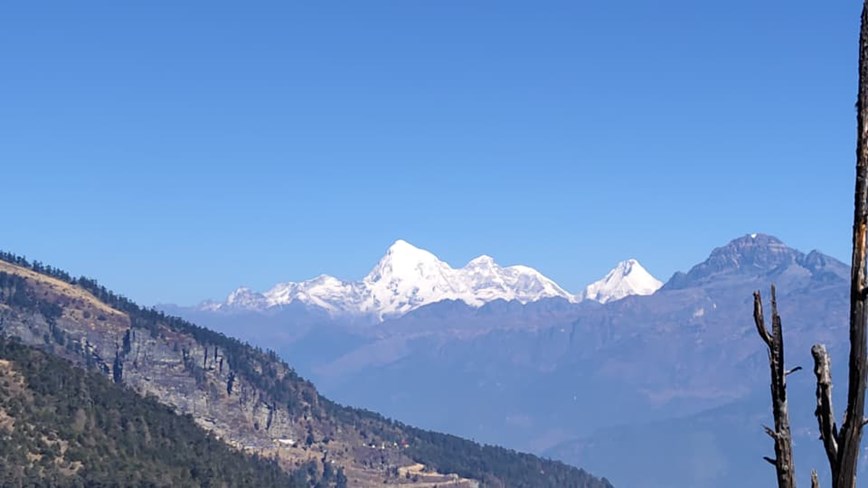
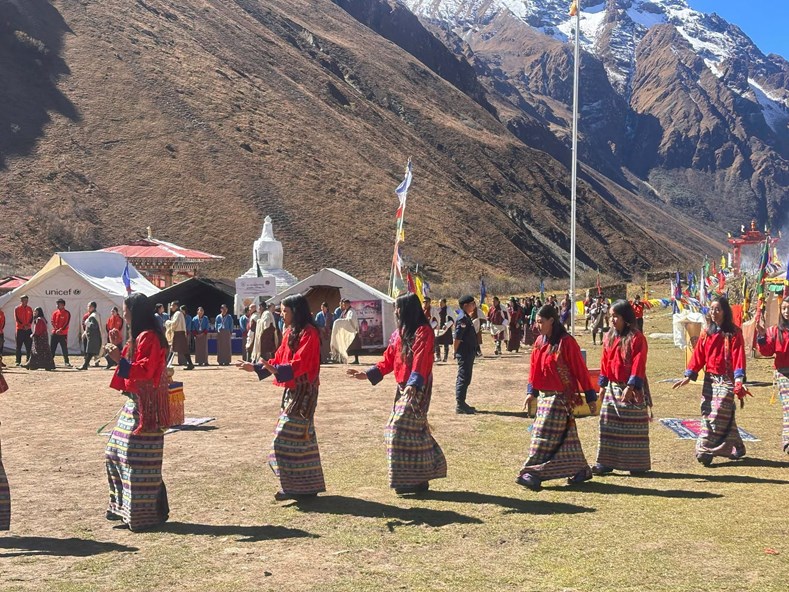
Held at approximately 4,100 metres above sea level in Soe Gewog, a subdistrict of Thimphu, the festival combined traditional performances, community competitions and local products with a focus on conservation and highland livelihoods.
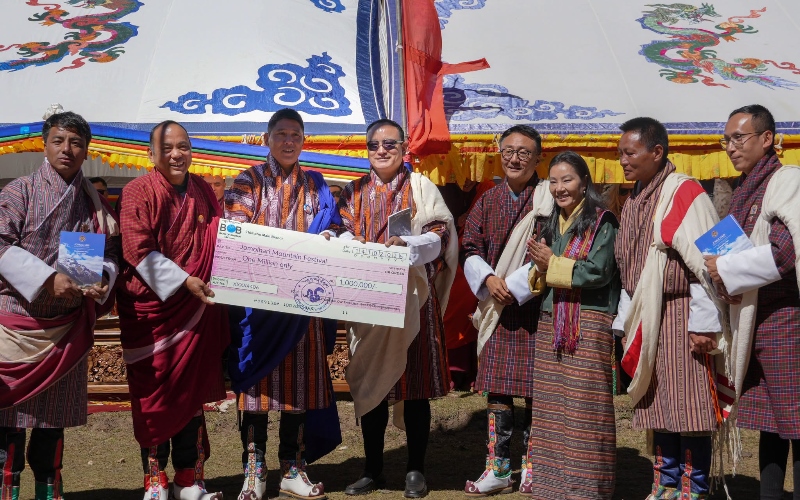
This year’s event also saw the launch of the Jomolhari Mountain Festival Sustainability Plan. The Bhutan Foundation contributed Nu 1 million (approx. USD 10,500) in seed funding to support community ownership and the festival’s long-term development.
Festival at a Glance
| Detail | Information |
|---|---|
| Dates | 14 and 15 October 2026 |
| Edition | 12th |
| Location | Dangochong, Soe Gewog, Thimphu |
| Elevation | Approximately 4,100 metres |
| Opening-day attendance | More than 230 international visitors and 250 Bhutanese participants |
| Second-day attendance | More than 107 international visitors and 255 Bhutanese participants |
| Reported second-day revenue | More than Nu 465,000 (approx. USD 4,900) |
| Seed funding | Nu 1 million (approx. USD 10,500) |
| First held | 2013 |
A Plan for Long-Term Community Ownership
The sustainability plan was developed through collaboration among the Thimphu Dzongkhag Administration, Lingzhi Drungkhag Administration, Department of Tourism, Jigme Dorji National Park, Paro Dzongkhag Administration and the Bhutan Foundation.
A dzongkhag is a district in Bhutan. A drungkhag is an administrative subdivision covering several communities within a district.
The plan is intended to reduce the festival’s dependence on annual fundraising while increasing local ownership and creating longer-term economic opportunities for highland residents. It also aims to ensure that future editions are organised in an environmentally responsible manner.
The launch coincided with the Bhutan Foundation’s 40th anniversary. Its Nu 1 million (approx. USD 10,500) contribution will provide initial funding as the participating institutions and communities begin implementing the plan.
The longer-term test will be whether the festival can generate sustained benefits for residents while managing the environmental pressures associated with bringing visitors into a sensitive alpine landscape.
Highland Communities Share Their Traditions
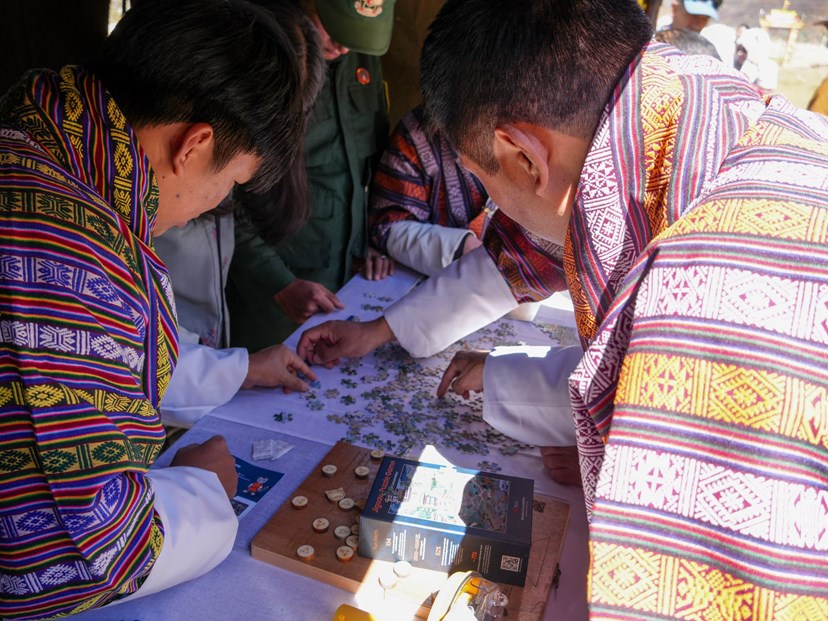
The two-day festival brought together residents of Soe, Lingzhi, Yaksa and Nubri. Community members presented traditional songs, dances and games, along with food and products associated with life in Bhutan’s northern highlands.
These communities live in remote mountain areas where livelihoods have traditionally depended on livestock, particularly yaks, and the seasonal use of alpine pastures.
The festival provides a shared venue for communities separated by long distances and difficult terrain. It also gives residents an opportunity to present their culture, knowledge and products directly to visitors.
More than 230 international visitors and 250 Bhutanese participants attended the opening day. On the second day, the Department of Tourism recorded more than 107 international visitors and 255 Bhutanese participants.
The department also reported second-day revenue exceeding Nu 465,000 (approx. USD 4,900). The published summary did not specify whether this represented community sales, event income or a combination of revenue sources.
Conservation Remains Central to the Festival
The Jomolhari Mountain Festival was initiated in 2013 by the Bhutan Foundation and Jigme Dorji National Park. It has since developed into a community-based event connecting highland culture, local livelihoods, responsible tourism and snow leopard conservation.
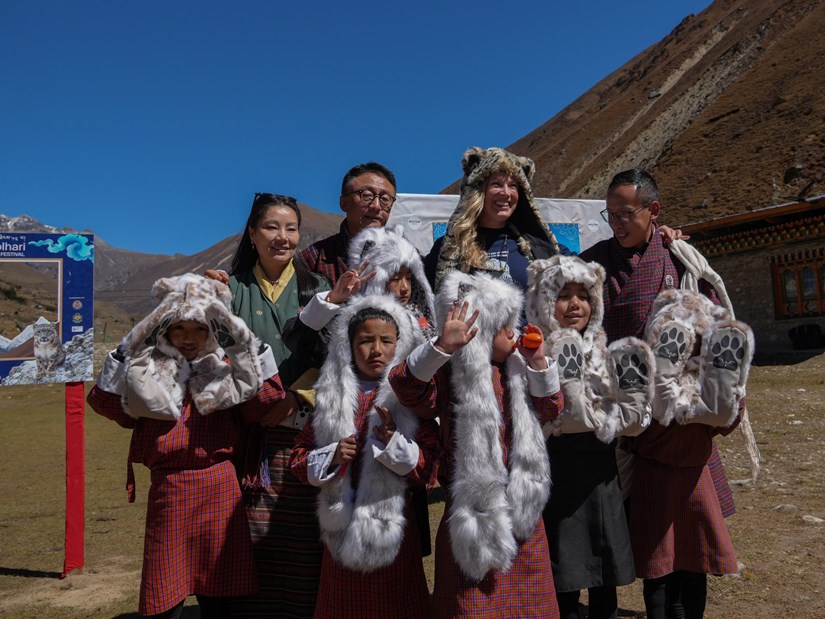
Representatives from the Snow Leopard Conservancy joined the 2026 festival to engage with residents and conservation partners. Their participation focused on raising awareness and sharing experience in protecting the species and its mountain habitat.
Snow leopards are sometimes called the “ghosts of the mountains” because they are difficult to observe in their remote, rocky habitat. They are important predators in Bhutan’s alpine ecosystems, but their presence can create challenges for herding communities when livestock are lost.
Bhutan’s latest national survey, conducted in 2022 and 2023, estimated that the country had 134 snow leopards. This replaced the earlier national estimate of 96 recorded in 2016.
Jigme Dorji National Park and the wider Jomolhari landscape are among the country’s important snow leopard habitats. Conservation in the region therefore depends partly on the support and participation of the people who share the landscape with the animals.
A Festival Reached Only on Foot
Dangochong lies near the Jangothang base camp area on the Jomolhari trekking route. No road reaches the festival ground.
Visitors generally approach through the Paro valley and continue on foot through Jigme Dorji National Park. Reaching the area requires several days of trekking, while the elevation makes proper acclimatisation and preparation essential.
The remote location limits the scale of the festival but is also central to its purpose. The event takes place within the landscape whose communities, wildlife and traditions it seeks to support.
The sustainability plan now provides a framework for maintaining that connection. Its success will depend on continued cooperation among highland residents, government agencies, conservation organisations and visitors.