

Passion & Purpose: 15 Years of Teaching in Bhutan’s Most Remote Highlands
Inside Lunana, Bhutan’s most remote highland, a teacher shares 15 years of resilience, education, and life shaping young minds beyond the reach of roads.
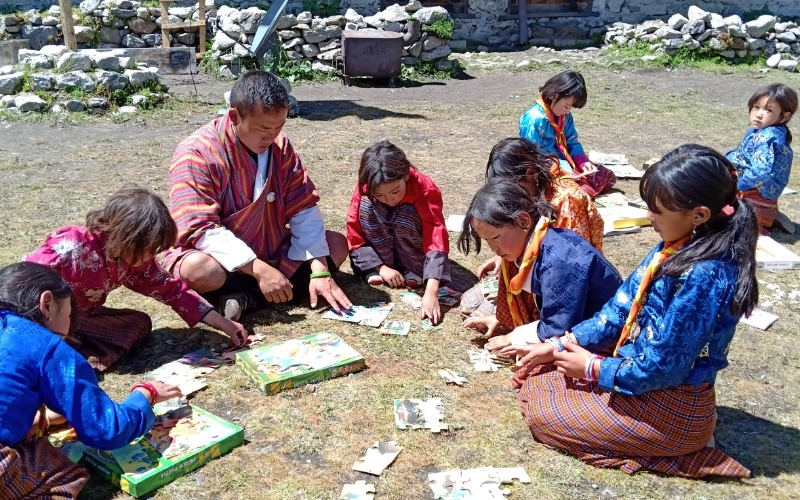
In the remote highlands of Lunana in northwestern Bhutan, access remains extremely limited. Most villages can only be reached by days of trekking, as roads do not extend into much of the region, making it one of the country’s most isolated and sparsely populated areas. Schools are few, the mountains vast, and teachers like Namgay Dorji serve as far more than educators—they are vital lifelines to knowledge, guidance, and inspiration.
Now in his 15th year teaching in Lunana, Namgay Dorji currently serves as an officiating principal. Across Lunana Primary School, Mendrelthang Extended Classroom, and Thangza Extended Classroom, a total of 12 teachers support just 79 students. In this interview, he shares insights from his unique experience working in one of Bhutan’s most remote communities, reflecting on the challenges, rewards, and profound lessons of shaping young minds at the edge of the world.
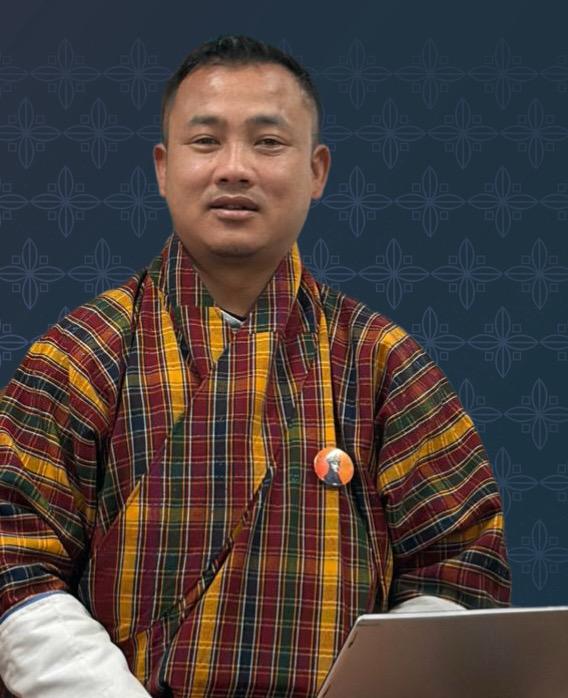
What initially brought you to Lunana, and did you ever expect to stay here for so long?
At the start of my career, I was posted in a remote part of Chukha in Southern part of Bhutan, reachable only by a three-day walk from the nearest road. During that time, I faced personal challenges that caused a lot of stress and emotional strain. To find purpose and cope with this difficult period, I volunteered to teach in Lunana, a highland region known for its isolation and natural beauty.
The experience proved both healing and transformative. Living and working there helped me recover emotionally, strengthened my professional commitment, and allowed me to build deep connections with the community, students, and the environment. Over the years, Lunana has become a central part of my personal growth and professional identity.
In moments when leaving felt easier, what convinced you to stay?
Lunana became a place of healing for me when I was going through a very difficult time but over the years, both Lunana and I have grown, and I have built strong, lasting connections with the community, students, and the environment. My time here gave me comfort and strength, helping me overcome early challenges. Today, I am stronger both personally and professionally because of this experience. While I can work elsewhere, leaving Lunana feels hard because of the meaningful relationships, sense of purpose, and personal growth it has given me.
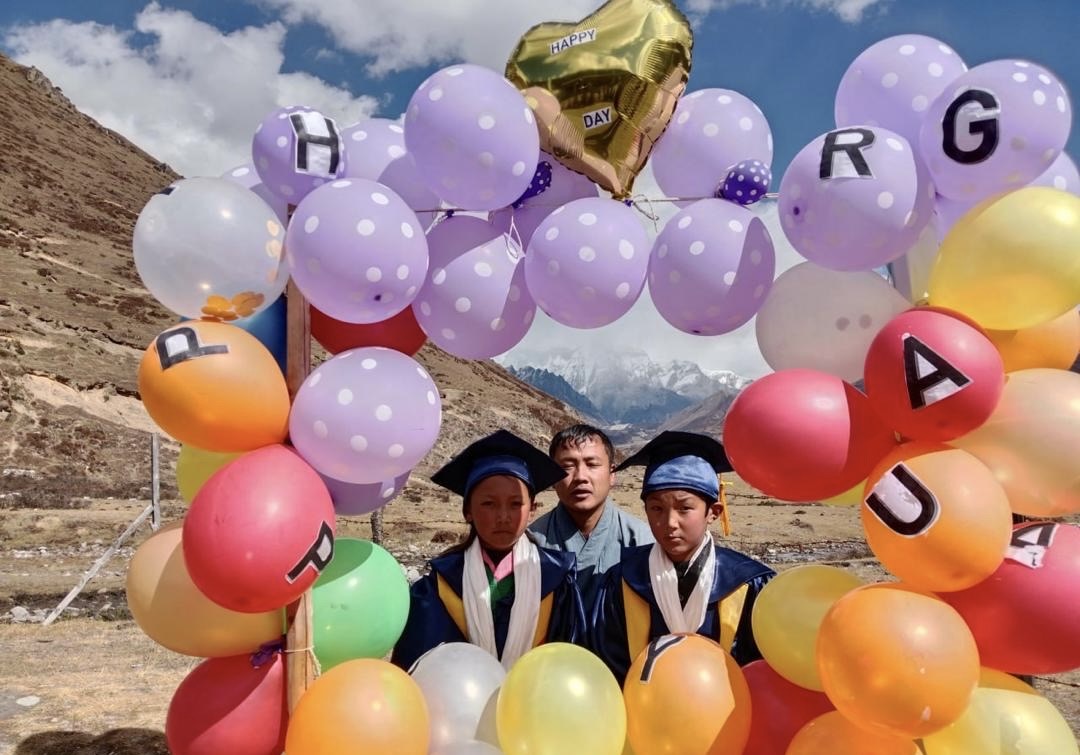
What role did your family and the support systems in Bhutan play in shaping your career and sense of responsibility to the nation?
I am deeply grateful for the support I received. My father served in the army, earning a modest salary of Nu. 1,500, and supported a family of eight siblings. Through government provisions such as rations, uniforms, and other essential supplies, we were able to access education consistently and without disruption. Had I been born in another country with fewer support mechanisms, my educational opportunities would have been severely constrained.
Thanks to the foresight and selfless support of our Kings, the Bhutanese government, and national institutions, I was able to complete my education, graduate, and establish a career in teaching. Today, I perceive it as my responsibility to contribute meaningfully to the nation that has provided me these opportunities.
Serving in Lunana is both a professional commitment and a personal expression of gratitude. Despite the challenges of remote service, I continue to dedicate myself fully to this community, recognizing that the experience has been pivotal in shaping both my personal resilience and professional ethos.
What is a typical day like for you as a teacher in Lunana?
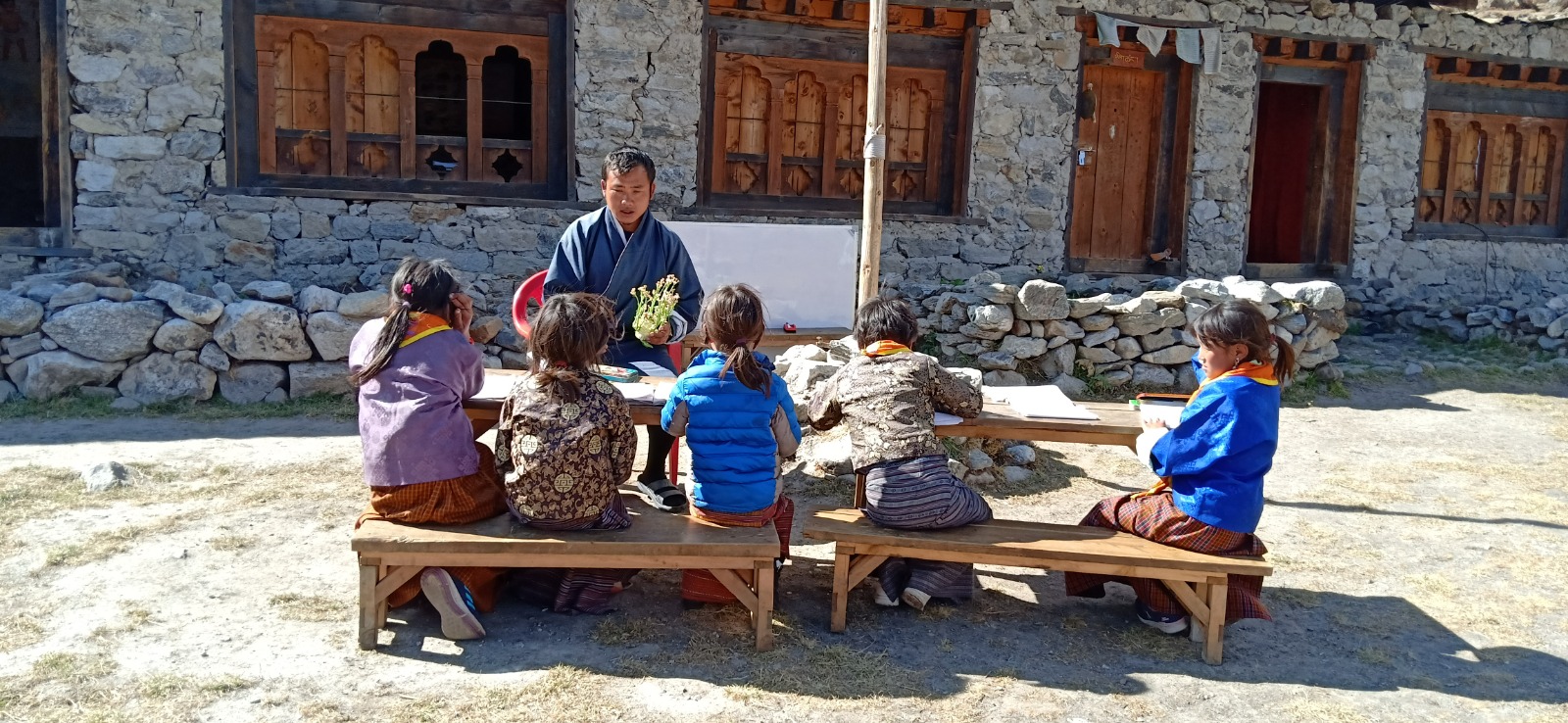
A typical day in Lunana starts early and is filled with a mix of academic and administrative responsibilities. I spend much of my time planning and coordinating lessons, guiding teachers, and monitoring classroom activities to ensure that students receive a high-quality education, even with limited resources.
Beyond academics, I prioritise student welfare, offering mentorship and support, while also engaging with the broader community to foster holistic development. Life here demands flexibility and the ability to multitask, as I balance administrative duties with teaching and student guidance.
Despite the challenges, each day is deeply rewarding, offering the opportunity to make a meaningful and lasting impact on both the students’ learning journeys and the wellbeing of the wider community.
What has been the most physically challenging part of living and working in Lunana?
The most physically challenging aspects of living and working in Lunana are the high-altitude environment, extreme cold, and harsh climate. While transportation to the village is now facilitated by helicopters, daily life still requires significant physical effort, such as fetching firewood every Saturday and Sunday, which involves several hours of walking through rugged terrain.
The cold is particularly challenging in classrooms. For several months each year, the classrooms become very cold, making it uncomfortable for both teachers and students and adding difficulty to teaching and learning. Managing school activities, supporting students’ welfare, and performing daily responsibilities under these conditions requires endurance, resilience, and careful planning.
Despite these challenges, the work is deeply rewarding. Serving the community, supporting students, and contributing to education in one of Bhutan’s most remote and beautiful regions provides a profound sense of purpose and fulfilment.
How do you cope with the cold and isolation from the rest of the country?
Coping with the cold and isolation in Lunana requires both physical and mental resilience. To manage the extreme climate, we take practical measures such as wearing layered clothing, using firewood for heating, and organizing daily activities to minimize exposure to harsh conditions. Mentally, I stay motivated by focusing on my work, supporting students, and engaging in community activities.
I also pursue personal interests during my off-hours, such as photography, which helps me appreciate the beauty of the environment and provides a creative outlet. The strong relationships I have built with colleagues, students, and the community provide emotional support and reduce the sense of isolation.
While the region is remote, the fulfilment of contributing to education and the well-being of the community outweighs the challenges, making the experience deeply rewarding.
Was there ever a moment when you felt truly overwhelmed?
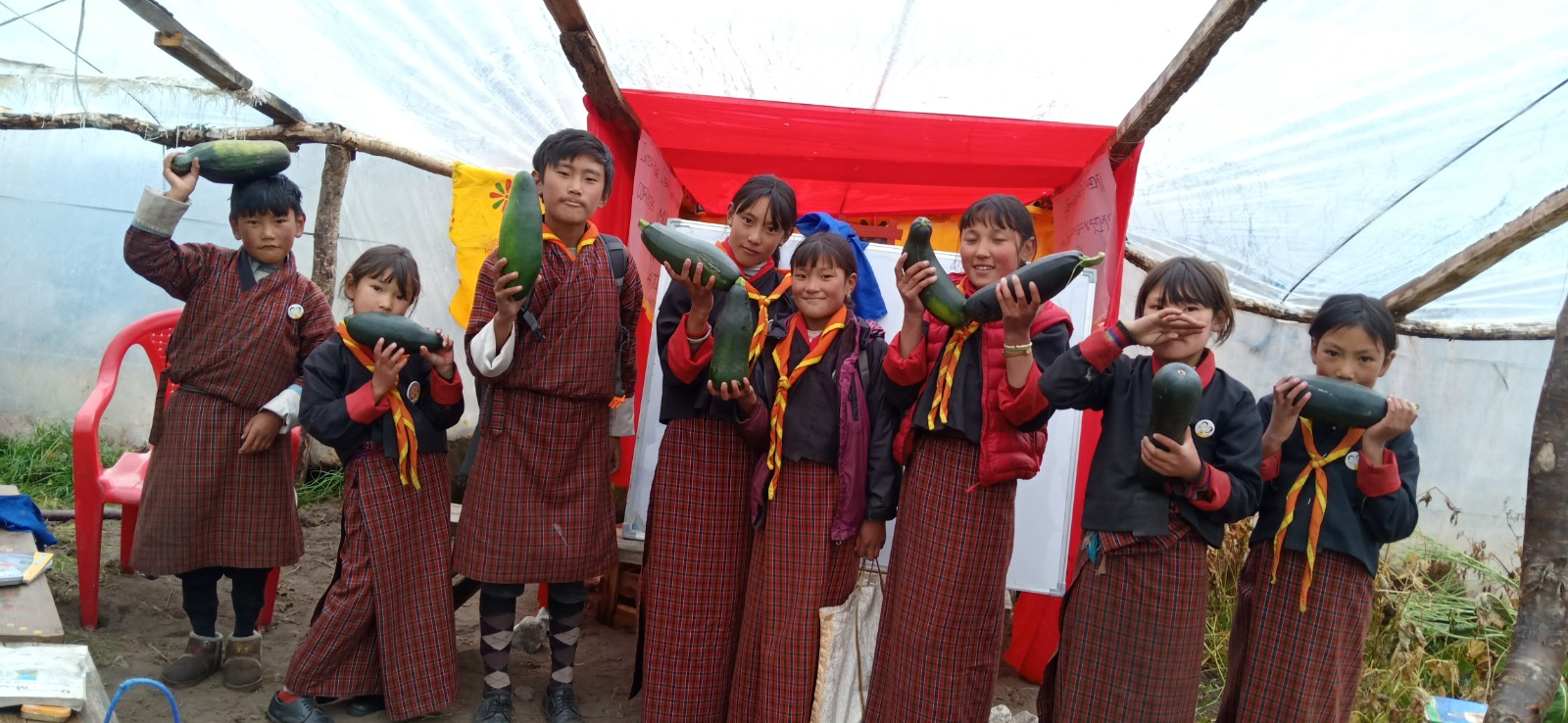
One of the most challenging moments in my career was initiating greenhouse farming in Lunana, the first in the village. Starting from scratch, I navigated logistical and environmental challenges in this high-altitude, remote region.
The initiative became especially memorable in 2016, when His Majesty the King visited our school and observed our poly-vegetable greenhouse, bringing pride and a renewed sense of responsibility. Equally rewarding was our school achieving a 100% pass rate in the Class VI examination, with scores ranging from 75.5% to 89%.
Seeing our students succeed after years of guidance reinforced the value of perseverance, innovation, and community collaboration. These experiences show that consistent effort and dedication whether in education or local initiatives can create lasting positive change in remote communities.
What are the biggest learning challenges your students face?
One of the most significant challenges for students in Lunana is the harsh weather and cold classrooms for several months each year. The extreme cold affects both students’ comfort and their ability to concentrate during lessons, making teaching and learning more demanding.
Additionally, the school relies entirely on solar electricity, which can be inconsistent during cloudy days, affecting lighting in classrooms and limiting the use of ICT-based learning tools. Other facilities, such as laboratories and specialized teaching aids, are also limited, requiring teachers and students to improvise and adapt to ensure meaningful learning experiences.
Despite these challenges, students demonstrate remarkable resilience, determination, and a strong commitment to learning, making the educational journey in Lunana both rewarding and impactful.
How have you balanced your personal life and family responsibilities while serving here?
Balancing family life while serving in remote Lunana requires planning, communication, and support from loved ones. Though away for months at a time, I stay in regular contact with my family and manage important matters with their cooperation. Life here demands resilience—adapting to high-altitude conditions, harsh weather, limited facilities, and daily tasks like fetching firewood or teaching in cold classrooms.
These challenges have taught me to prioritize, manage time, and maintain a healthy balance between work and personal well-being. Despite the sacrifices, the sense of purpose, close bonds with students and the community, and the unique experiences of this remote posting make it deeply rewarding.
When you look back at these 14 years, what are you most proud of?
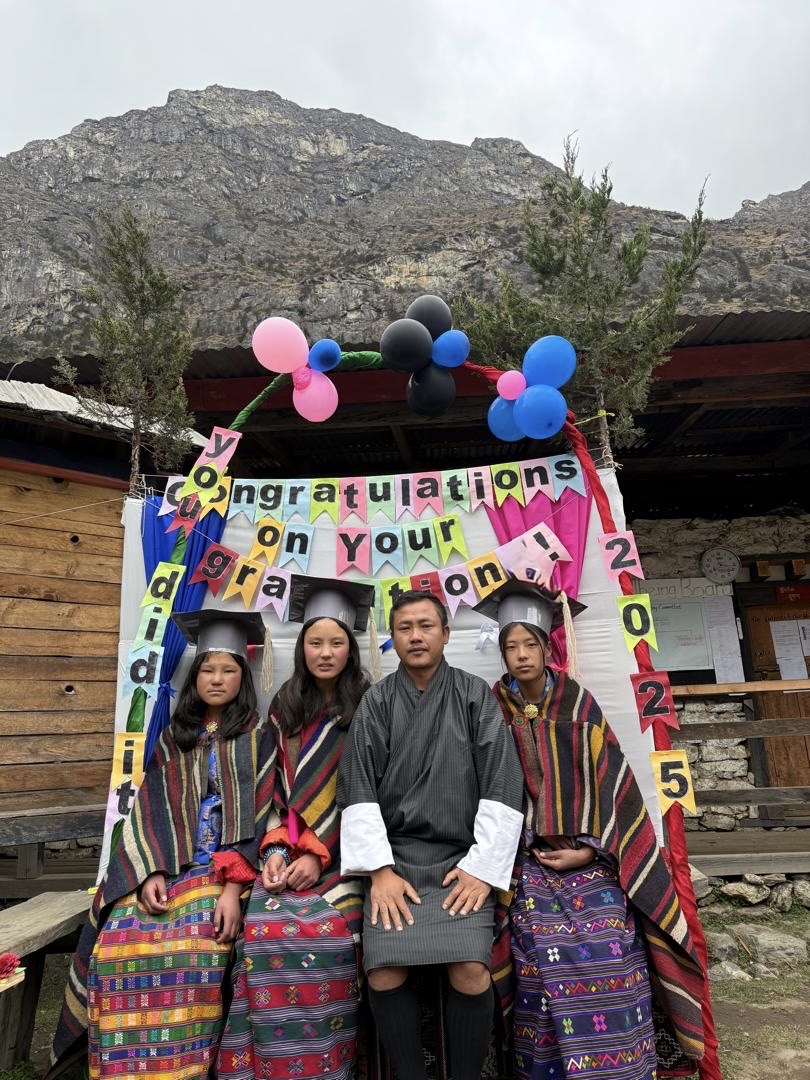
Over the past 14 years in Lunana, I have served with dedication, commitment, and a love for teaching. When I arrived, I was often the only teacher, guiding students struggling with basic reading and writing. Despite numerous challenges, I persevered to improve the learning environment. Today, our students compete nationally, achieving a 100% pass rate in Class VI, with scores ranging from 75.5% to 89%.
The school, once struggling with a poor reputation, is now respected and celebrated by students, parents, teachers, and local leaders. I am proud of the collaborative culture that has developed, where challenges are shared and everyone works together to support student learning and holistic development.
If you had to advise young teachers considering remote postings, what would you tell them?
I would advise young teachers to approach remote postings with an open mind, patience, and adaptability. While limited resources, harsh weather, and isolation pose challenges, these areas offer unmatched opportunities for personal growth, professional development, and meaningful impact. Most importantly, take pride in contributing to education where it is needed most, your service can create lasting change and be deeply rewarding.
After 14 years, what does Lunana mean to you personally?
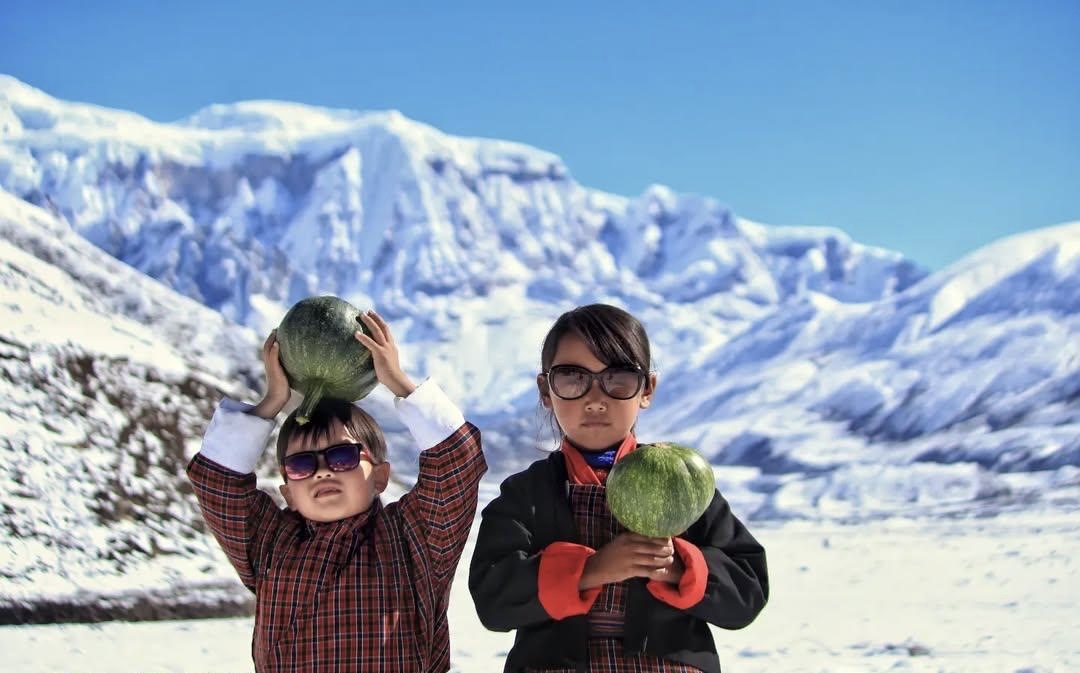
Lunana is more than a workplace to me, it is a core part of my identity. The community, students, and environment have shaped me both as an educator and as a person. Living and teaching in a remote region strengthened my resilience, patience, and problem-solving skills, while the relationships I’ve built provide deep purpose and fulfilment. Lunana offered solace during challenging times and has become a place of enduring bonds and personal transformation.
About Lunana
Lunana is one of Bhutan’s most remote and least-visited regions, located in the far northwestern highlands along the borders with Tibet. Perched at elevations often exceeding 4,000 metres, the area is defined by its dramatic glacial landscapes, vast alpine pastures, and scattered settlements that remain largely untouched by modern infrastructure. Villages such as Lhedi, Thanza, and Chozo are home to small, resilient communities that rely on subsistence farming, yak herding, and deep-rooted cultural traditions.
Isolation shapes everyday life here. With no motorable roads reaching most parts of Lunana, access depends almost entirely on multi-day treks across mountain passes and through remote valleys. This physical remoteness has helped preserve a distinct way of life—one where community ties are strong, nature dictates the rhythm of living, and institutions like schools play an outsized role in connecting residents to the wider world.
How to Visit Lunana
Reaching Lunana is not straightforward, and that is precisely what makes the journey remarkable. Travel typically begins in Punakha or Wangdue Phodrang, from where visitors embark on a demanding trek that can take 10 to 15 days depending on the route and pace.
The most well-known route is part of the legendary Snowman Trek—often described as one of the toughest treks in the world. Along the way, trekkers cross high mountain passes, some above 5,000 metres, and pass through remote settlements before reaching Lunana’s villages.
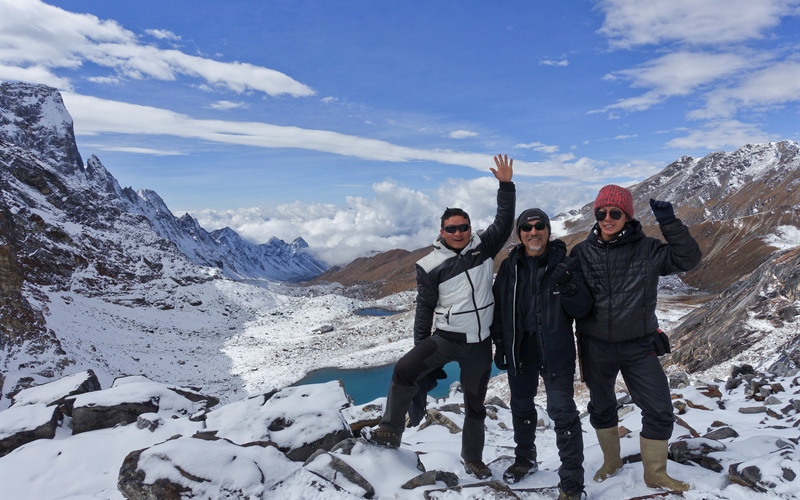
In recent years, helicopter access has become possible in limited circumstances, offering an alternative to the long trek. Charter helicopter services can fly into parts of Lunana, typically arranged through authorised Bhutanese tour operators. These flights are highly dependent on weather conditions, altitude limitations, and logistical approvals, and are usually used for official travel, emergencies, or specialised tours rather than routine tourism.
Because of the altitude, terrain, and logistical complexity, visiting Lunana requires careful planning:
- Permits and guides: All international visitors must travel through a licensed Bhutanese tour operator, which arranges permits, guides, and logistics.
- Physical preparation: The trek is strenuous and requires good fitness and acclimatisation to high altitude.
- Seasonal timing: The best times to visit are typically spring (April–June) and autumn (September–October), when weather conditions are more stable.
- Supplies and support: There are no tourist facilities in Lunana; all supplies must be carried in, often with pack animals.
For those who make the journey, Lunana offers a rare glimpse into a way of life that remains deeply connected to Bhutan’s natural and cultural heritage—an experience defined as much by the journey as the destination.
Lunana: A Yak in the Classroom
For many outside Bhutan, Lunana came into global focus through the Oscar-nominated film Lunana: A Yak in the Classroom by Pawo Choyning, which vividly portrayed the challenges and quiet beauty of life in this high-altitude community. The film, inspired by real conditions in Lunana, highlighted the realities of teaching, isolation, and resilience—bringing international attention to a region that had long remained beyond the reach of roads and modern infrastructure.
Despite this recognition, Lunana remains largely unchanged—remote, rugged, and deeply rooted in tradition, offering a rare glimpse into a way of life shaped by both geography and cultural continuity.