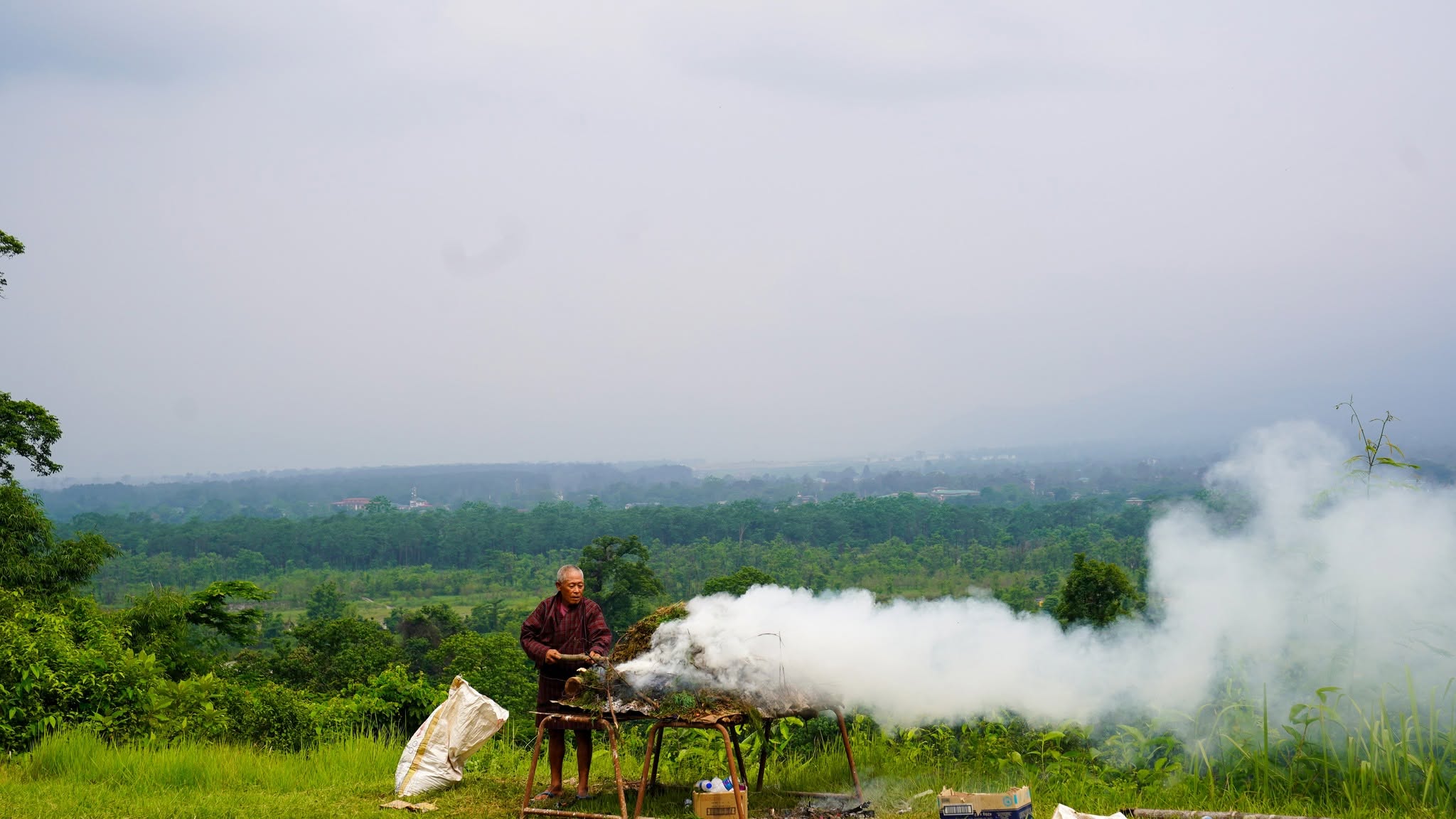

Bhutan Begins Preparing Sacred Relics for Project 108's Chortens
Bhutan's Project 108 continues to advance as sacred relic preparations begin in Sarpang Dzong, following ground-breaking ceremonies for the 108 Jangchub Chortens planned for Gelephu Mindfulness City.
Bhutan's ambitious Project 108 continues to gather momentum as preparations begin for the sacred relics that will be placed inside the 108 Jangchub Chortens planned for Gelephu Mindfulness City (GMC).
The project was announced by His Majesty King Jigme Khesar on February 21, 2026, with a Royal vision to construct 108 Jangchub Chortens in a single day. Since then, preparations have accelerated across multiple fronts, from engineering and logistics to spiritual ceremonies rooted in centuries-old Buddhist traditions.
Scheduled for November 1, the initiative will coincide with the descending day of Lord Buddha and the Coronation Anniversary of His Majesty The King.
A Spiritual Landmark Along the Mao River
The 108 Jangchub Chortens will stretch across a 12-kilometre corridor along the banks of the Mao River in Gelephu Mindfulness City.
Each chorten will stand 15 metres high and be positioned 108 metres apart. Together, they will form a continuous sacred landscape intended as an offering of compassion and enlightenment for the benefit of all sentient beings.
Preparations for the landmark project are already well underway. More than 30,000 volunteers have registered to participate, while organisers continue planning for what is expected to be one of the largest public gatherings associated with a spiritual construction project in Bhutan.
Ground-Breaking Ceremonies Mark a Key Milestone
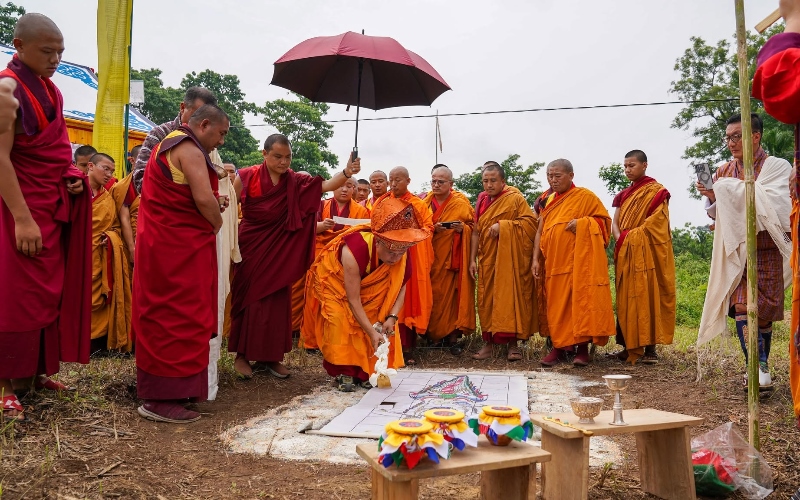
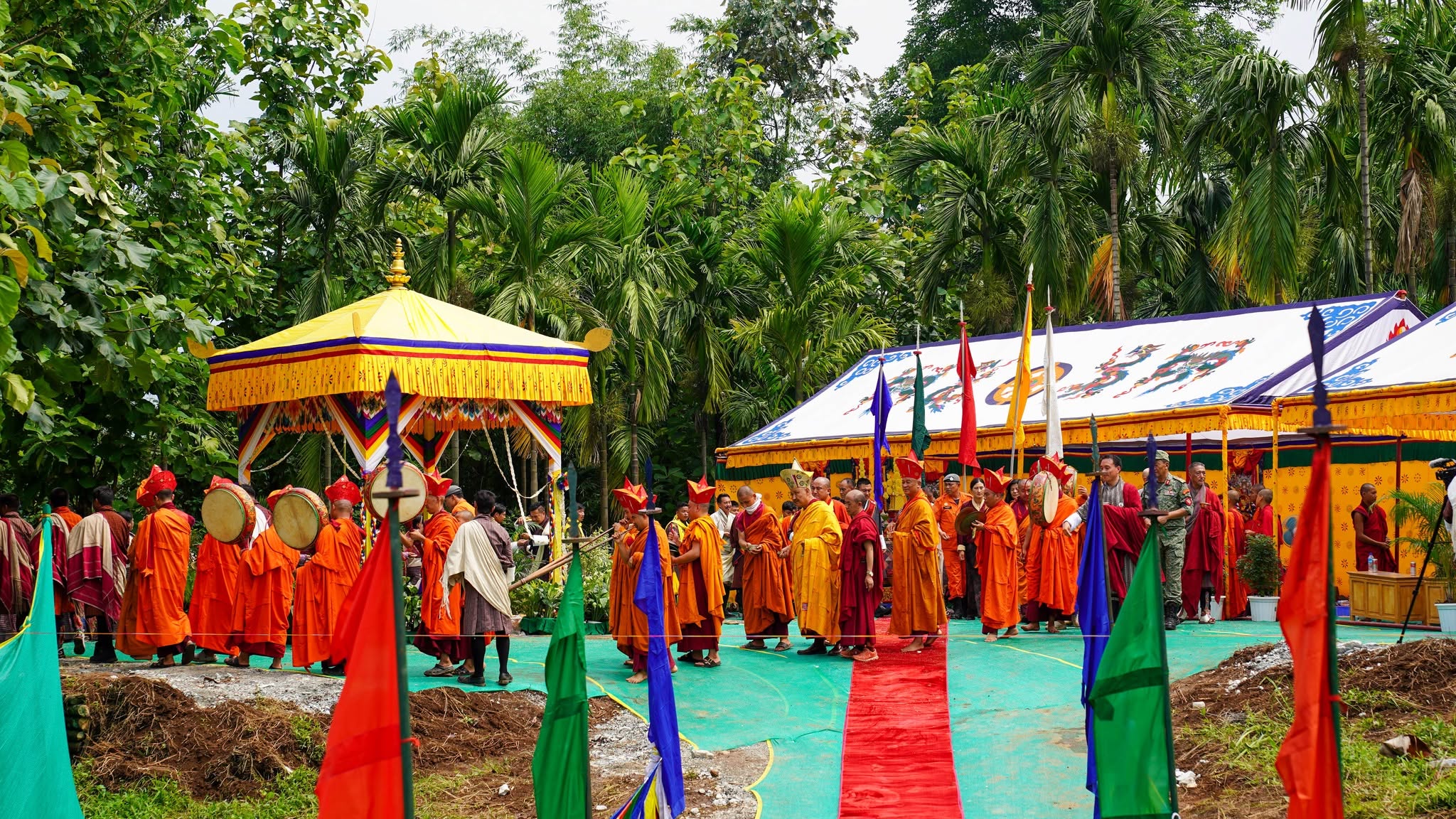
On June 16, senior lopons of the Zhung Dratshang, Bhutan's Central Monastic Body, conducted the salhang tendrel, or ground-breaking ceremony, for the 108 chortens.
The ceremonies were conducted simultaneously at different locations along the project site by the Dorji Lopon, Tsugla Lopon, and Laytshog Lopon, accompanied by monks from various rabdeys across the country.
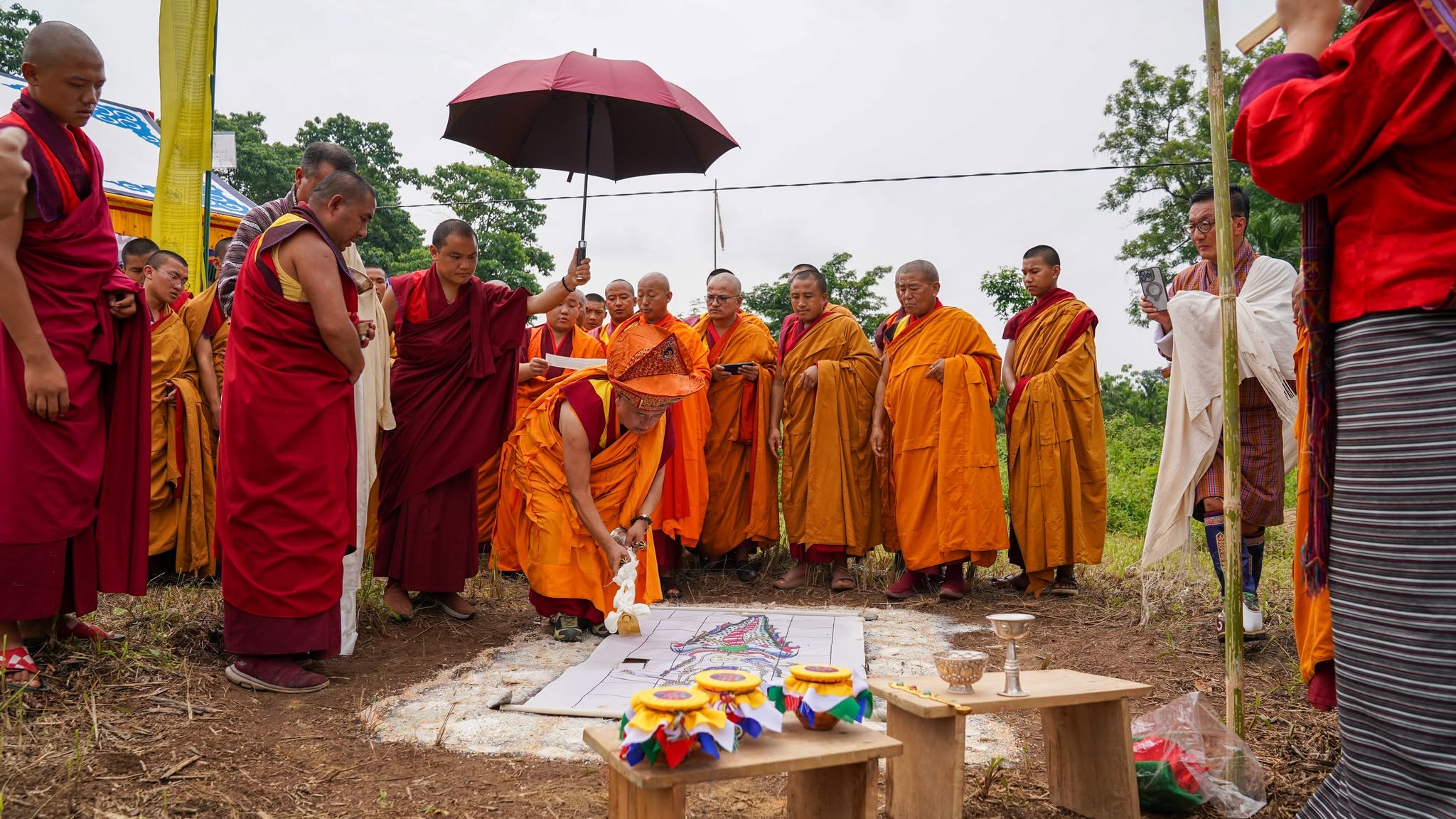
At Chorten 01, the Laytshog Lopon and monks from Zhemgang Rabdey performed prayers and offerings to Palden Lhamo, seeking the blessings and protection of the revered Buddhist deity.
At Chorten 92, the Tsugla Lopon and monks from Tsirang Rabdey conducted rituals intended to appease local deities and spirits that may be affected by the earthworks and tree clearing required for construction.
At Chorten 108, the Dorji Lopon and monks from Sarpang Rabdey carried out ceremonies to seek permission from local deities for the construction of the sacred structures.
Preparing the Spiritual Heart of the Chortens
With the foundations blessed, attention has now shifted to the preparation of the zung, the sacred inner relics regarded as the spiritual heart of every Buddhist stupa.
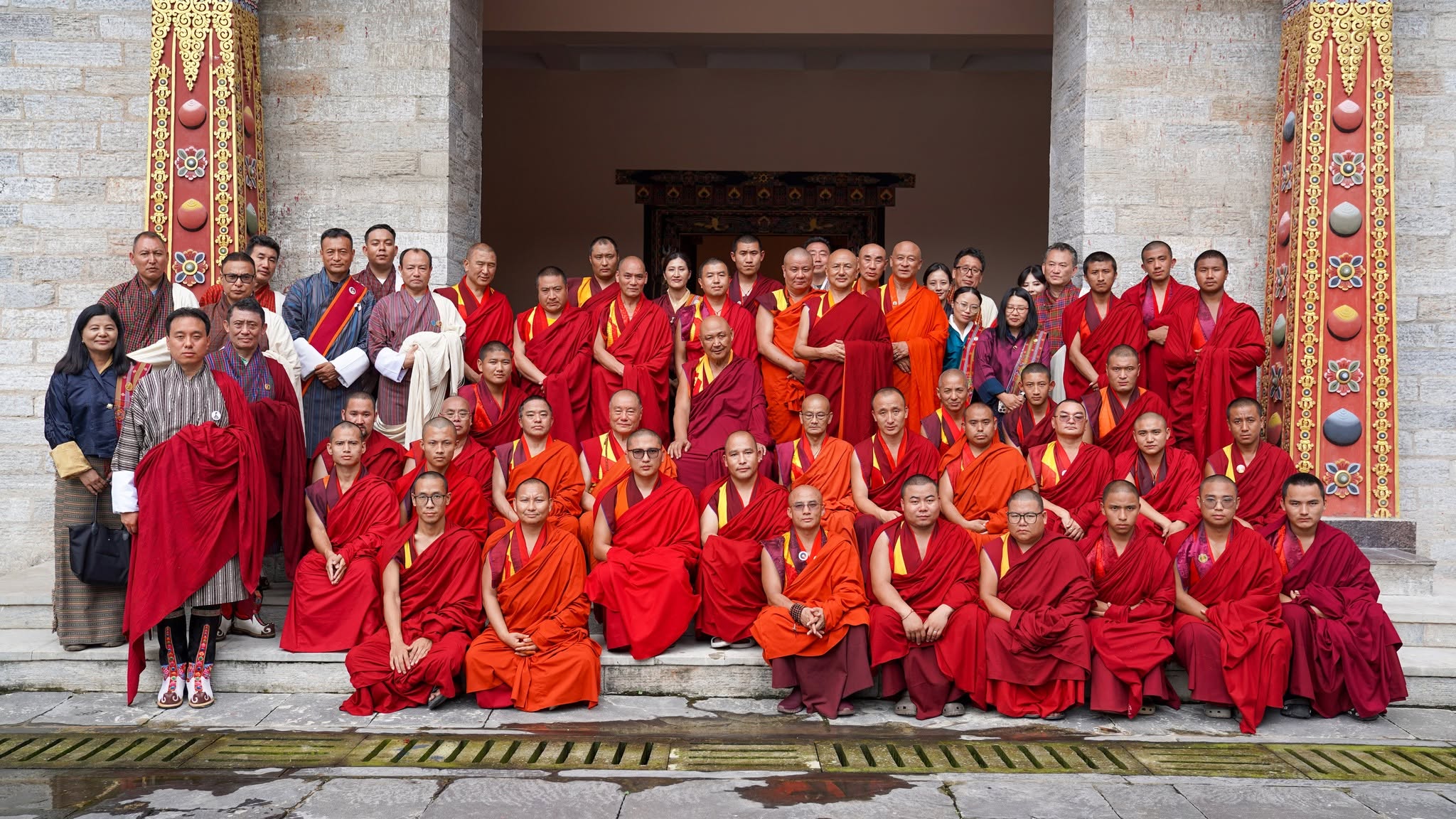
The work is being carried out inside Sarpang Dzong, where 20 Zung Lopons from rabdeys across Bhutan have gathered to prepare the relics that will be enshrined within the 108 chortens.
One of the first and most painstaking tasks involves hand-rolling sacred scriptures and mantras. The process requires patience, precision, and devotion. These tightly rolled texts form an essential component of the zung.
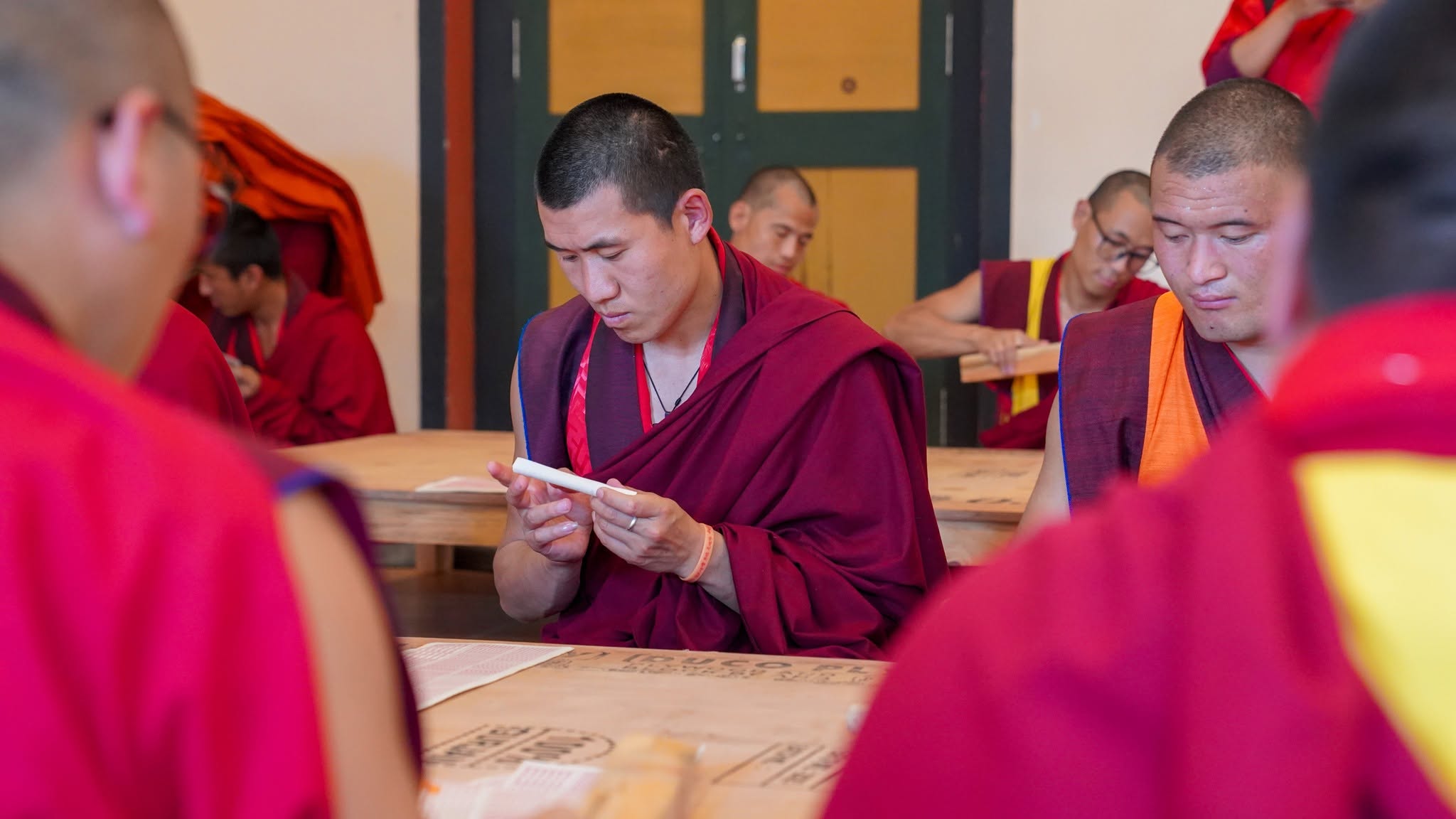
The tradition of preparing zungs has been passed down through generations of Buddhist masters for more than four centuries and remains one of the most important aspects of stupa consecration.
Laytshog Lopon Sangay Dorji said, “In Buddhism, a stupa’s inner relics are considered more important than its outer structure. According to the Buddha’s teachings, the Zung contains many elements and components, including relics representing the body, speech, and mind of great enlightened masters. Therefore, the Zung Lopens are carrying out this sacred task following age-old traditions.”
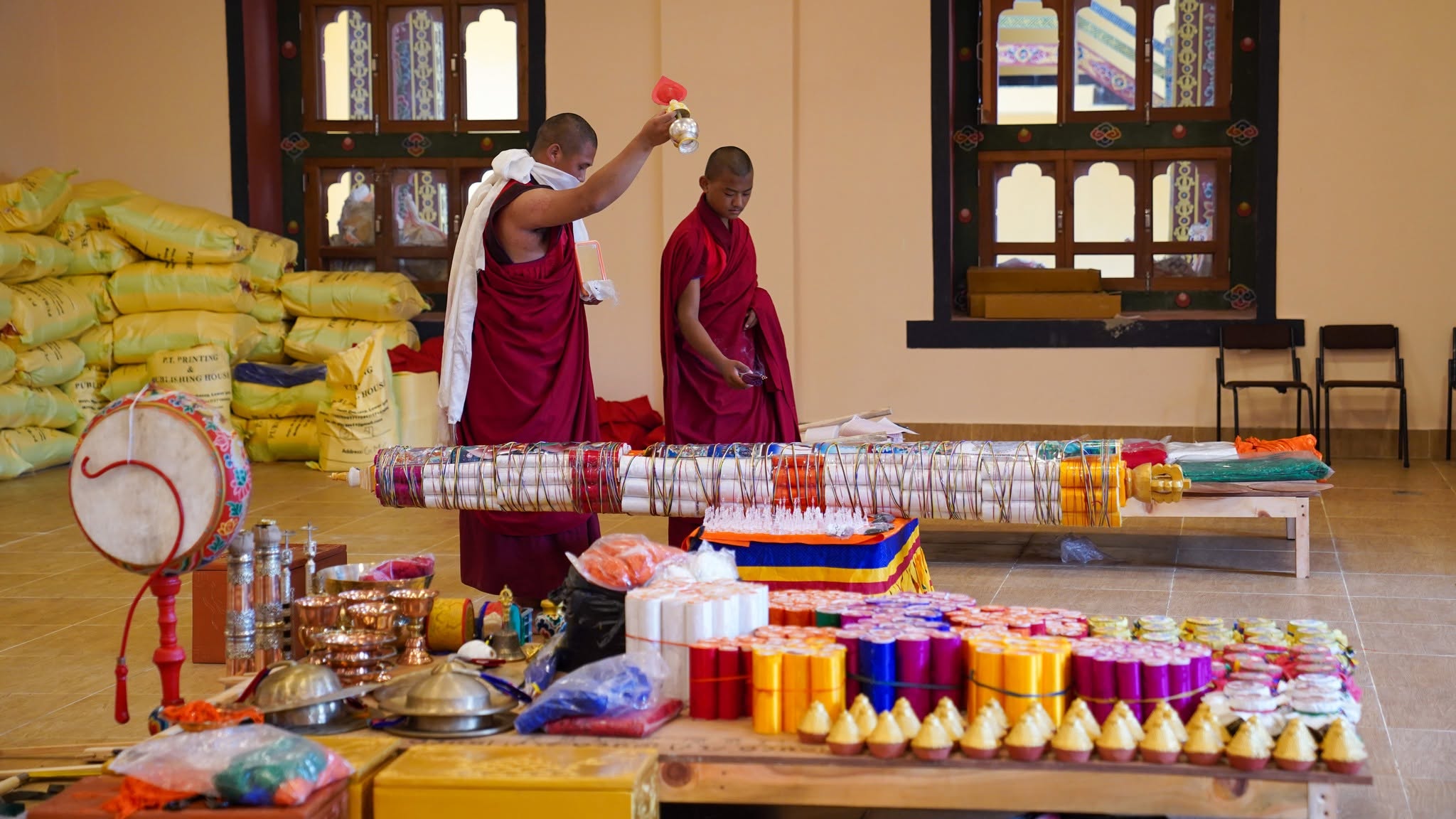
Among the most important components is the Sokshing, a specially prepared wooden pole placed at the centre of each stupa. Considered the spiritual spine of the structure, it serves as the central axis around which the sacred relics are arranged.
Public Contributions Invited
The Central Monastic Body is inviting people across Bhutan and around the world to contribute items that can be included in the zung.
The Laytshog Lopon said, “The zung will consist of various items, including traditional weapons and farming tools such as axes, hoes and ploughs. People can also contribute Nga Dung, Jaling and other relics. We are currently carrying out the preparations here and welcome contributions from everyone.”
Nga Dung refers to traditional Buddhist ritual drums and ceremonial horns, while the Jaling is a double-reed wind instrument commonly used during Buddhist ceremonies and religious festivals.
Contributions can be made through district Lam Netens, Drungchens of Dratshangs and Rabdeys, or through the Zhung Dratshang office in Thimphu. Additional details regarding the contribution process are expected to be announced in the coming weeks.
The response has already been significant, with offerings for the zung arriving from devotees and well-wishers both within Bhutan and abroad.
Growing Support for Project 108
Public support for Project 108 has continued to grow since fundraising was launched.
In less than two months, contributions have reached nearly Nu. 850 million from within Bhutan and an additional US$8.5 million from international supporters. The funding pledged so far is sufficient to support the construction of approximately 88 chortens, with contributions continuing to increase.
Beyond public donations, members of the Gelephu Mindfulness City Authority have also personally contributed to the project. In addition to His Majesty The King, who serves as Chair of the Gelephu Mindfulness City Authority, two individual members of the Authority have each committed to sponsoring one chorten.
A Project Rooted in Faith and Collective Participation
As construction preparations continue, Project 108 is emerging as both a major spiritual undertaking and a collective national effort.
While engineers, planners, monks, volunteers, and donors contribute in different ways, the preparation of the zung serves as a reminder that the project's foundation is not only physical but also spiritual. Inside Sarpang Dzong, sacred scriptures continue to be rolled by hand and relics carefully assembled. Along the Mao River, the vision of 108 Jangchub Chortens is steadily moving closer to reality.
Together, these efforts are shaping what is expected to become one of Bhutan's most significant contemporary expressions of faith, community participation, and cultural heritage.