
Bhutan Festival Calendar 2026: Local Events from April to November
Explore Bhutan’s local festival calendar for 2026, from April to November. Discover cultural events, nature festivals, and unique celebrations across Bhutan’s regions, with dates and locations to help you plan your trip.
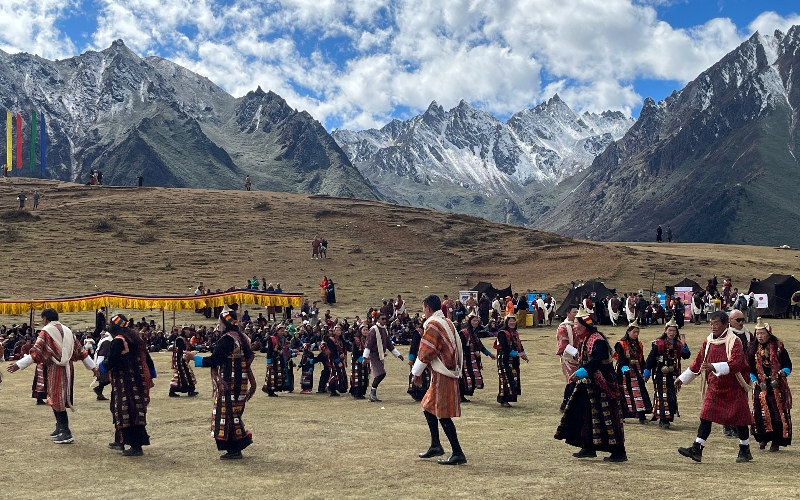
As Bhutan continues to revitalise and diversify its tourism sector, a new rhythm is emerging—one shaped not only by the iconic tsechus, but by a growing calendar of local, community-led festivals. From remote highland gatherings to nature-inspired celebrations, these events are quietly reshaping how travellers experience the country, drawing them deeper into the textures of everyday Bhutanese life.
From April onwards, Bhutan’s valleys begin to shift. Spring settles in gently, and with it comes a season of colour, movement, and meaning. Festivals unfold across the country, each rooted in its own landscape, livelihood, and tradition.
A season begins with bloom and renewal
April opens with the second edition of the Rhododendron Week (3–9 April) in Trashigang, where forests burst into colour and become both backdrop and centrepiece. Bhutan is home to around 46 species of rhododendron, with 41 found in the highlands of Merak and Sakteng. The festival celebrates this remarkable biodiversity while drawing attention to the fragile ecosystems that sustain it.
This year’s opening in Sheytemi, Merak, was graced by His Majesty The King Jigme Khesar Namgyel Wangchuck and Her Majesty The Gyaltsuen Jetsun Pema, alongside members of the Royal Family, underscoring the significance of the event. Over 8,000 people attended the opening of the festival.
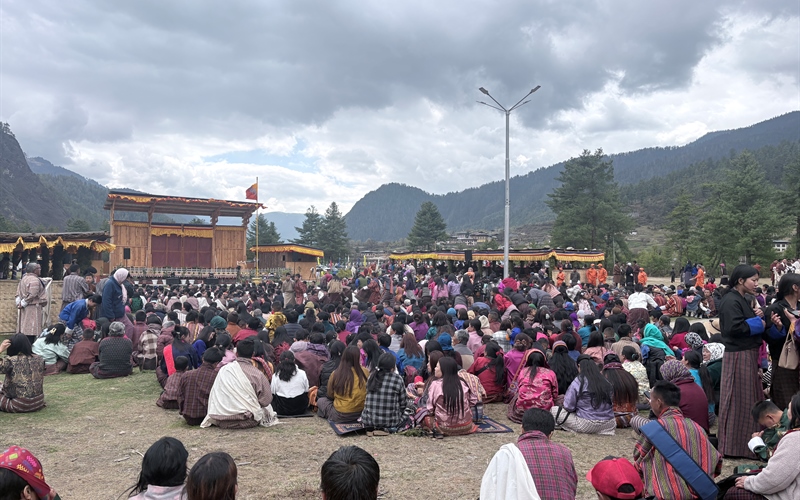
Almost simultaneously, the Haa Spring Festival (7–9 April) in Haa, in the western part of Bhutan, brings together nomadic traditions, local cuisine, and mountain culture, offering a glimpse into highland life.
The first day of the celebration saw a total of 4,640 visitors, including more than 30 international guests from the United States, Germany, India, the United Kingdom, and Australia.
Her Majesty Gyalyum Ashi Dorji Wangmo Wangchuck graced the inaugural event, joined by Prime Minister Tshering Tobgay and other dignitaries from Thimphu.
From myth and spirituality to wellbeing
In May, the focus shifts from flora to folklore and spiritual traditions. In the remote highlands of Sakteng, The Great Yeti Quest (8–9 May) blends myth, adventure, and storytelling—rooted in the enduring legend of the migoi, Bhutan’s elusive “yeti”. Soon after, in Sobsokha, Punakha, the Fertility Festival (15–16 May) reflects deeply held beliefs surrounding blessings, renewal, and community wellbeing.
By June, the tone softens. In Bumthang, Bhutan for Wellbeing (13–14 June) centres on mindfulness, health, and holistic living—an expression of Bhutan’s philosophy of Gross National Happiness translated into lived experience.
Seasons of harvest and connection
As summer deepens into August, forests and fields take centre stage once again with the Matsutake Festivals—first in Genekha, Thimphu (15–16 August), and later in Ura, Bumthang (23–24 August). These festivals celebrate the prized wild mushroom, linking ecology with rural livelihoods and seasonal rhythms.
Autumn: endurance, culture, and highland life
Autumn brings a surge of energy. September begins with endurance events such as the Tour of the Dragon (5 September) and Dragon’s Fury (6 September), traversing the rugged mountain roads between Bumthang and Thimphu. Later in the month, the Bathing Carnival Bhutan (22–24 September) in Pemagatshel offers something different—a contemporary wellness gathering centred around water as a source of healing, purification, and connection. Though modern in form, it still carries echoes of Bhutan’s spiritual relationship with nature.
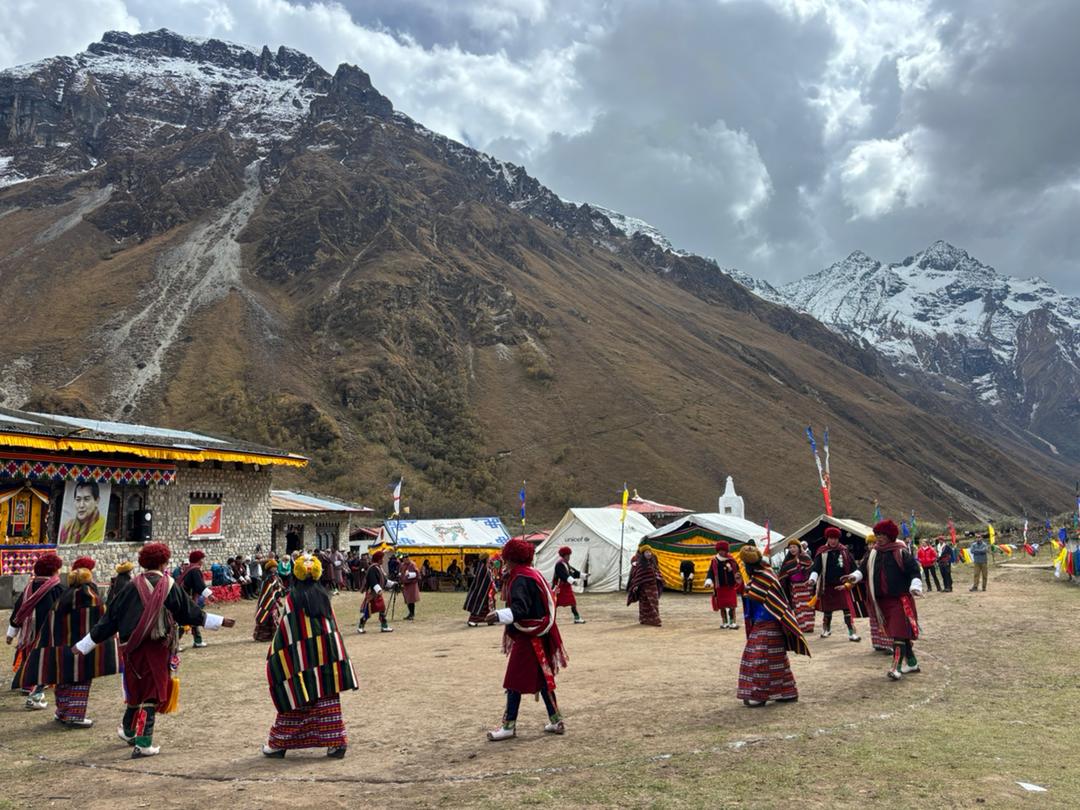
October stands out as a cultural high point. The Black Mountain Festival (5–6 October) in Trongsa celebrates indigenous communities and conservation, while the Jomolhari Mountain Festival (14–15 October) highlights highland resilience and yak-based livelihoods. In the remote village of Laya, the Royal Highland Festival (23–24 October) brings together nomadic communities in one of Bhutan’s most iconic high-altitude settings. Around the same time, the Snowman Race (24–28 October) pushes endurance to its limits, tracing one of the most challenging routes in the Himalayas.
A return to nature and reflection
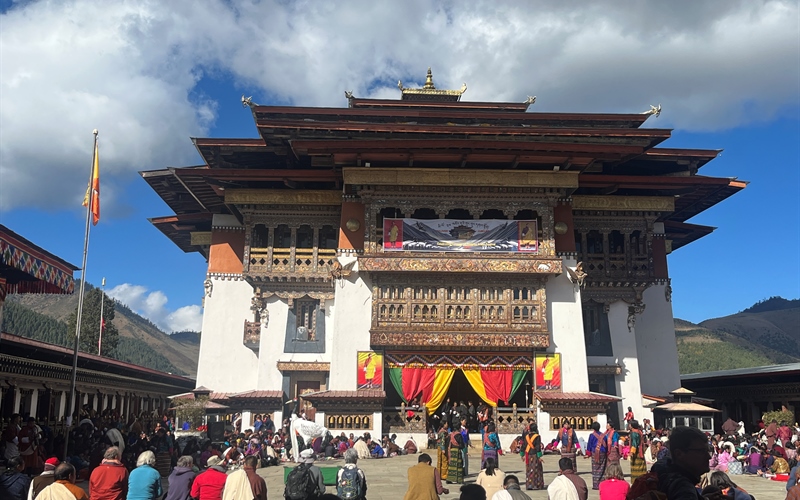
As the year draws to a close, November returns to themes of conservation and quiet reflection. The Black-Necked Crane Festival (11 November) in Gangtey honours the arrival of these endangered birds as they migrate into Bhutan’s valleys for the winter. Shortly after, the Bhutan Bird Festival (13–15 November) in Tingtibi celebrates the country’s extraordinary avian diversity, reinforcing Bhutan’s place as one of the world’s biodiversity hotspots.
Bhutan Festival Calendar (April–November)
April
- Rhododendron Week (3–9 April) – Trashigang (Merak & Sakteng)
- Haa Spring Festival (7–9 April) – Haa
May
- Great Yeti Quest (8–9 May) – Sakteng, Trashigang
- Fertility Festival (15–16 May) – Sobsokha, Punakha
June
- Bhutan for Wellbeing (13–14 June) – Bumthang
August
- Matsutake Festival (15–16 August) – Genekha, Thimphu
- Matsutake Festival (23–24 August) – Ura, Bumthang
September
- Tour of the Dragon (5 September) – Bumthang to Thimphu
- Dragon’s Fury (6 September) – Bumthang to Thimphu
- Bathing Carnival Bhutan (22–24 September) – Pemagatshel
October
- Black Mountain Festival (5–6 October) – Trongsa
- Jomolhari Mountain Festival (14–15 October) – Jomolhari
- Royal Highland Festival (23–24 October) – Laya, Gasa
- Snowman Race (24–28 October) – High Himalayas
November
- Black-Necked Crane Festival (11 November) – Gangtey, Wangdue
- Bhutan Bird Festival (13–15 November) – Tingtibi, Zhemgang