
The Willing Story: Hospitality, Heritage, and Homecoming in Trongsa
After years working abroad with the United Nations, Pema Namgyel returned to Bhutan to build the Willing Brand in Trongsa, transforming a former quarry into the iconic Willing Waterfall Café and creating a resort rooted in local culture, community, and heritage.
There is a quiet courage in choosing to return home. For Pema Namgyel, that decision came after nearly a decade of working with the United Nations, years spent abroad gaining experience, perspective, and skills that could have easily supported a comfortable life far from Bhutan’s rugged highlands. But the pull of home proved stronger. Home, for Pema, is Willing, a small village in Trongsa in Central Bhutan where he was born and raised, and where his roots remain deepest. It is from this village that the Willing Brand takes its name, and from this sense of belonging that it draws its spirit.
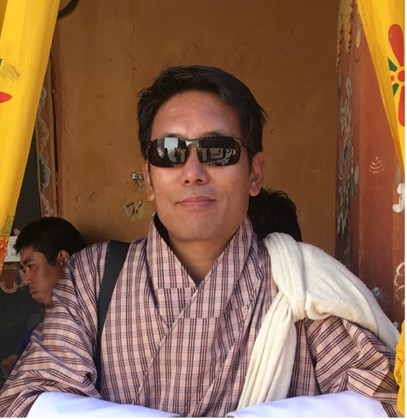
He is the driving force behind the creation of the Willing Waterfall Café and Willing Resort in Trongsa, turning a personal vision of returning home into a tangible space that blends nature, hospitality, and local identity. Today, Willing Waterfall Café stands as one of Trongsa’s most recognizable landmarks, a beloved stop for local travellers, tourists, and anyone passing through central Bhutan. While Willing Resort is a perfect place to stay when in Trongsa.
From stone quarry to the iconic Willing Waterfall Café
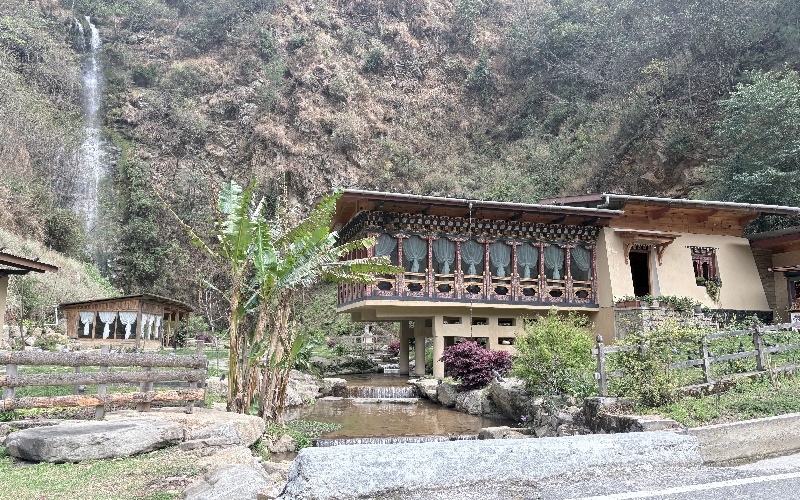
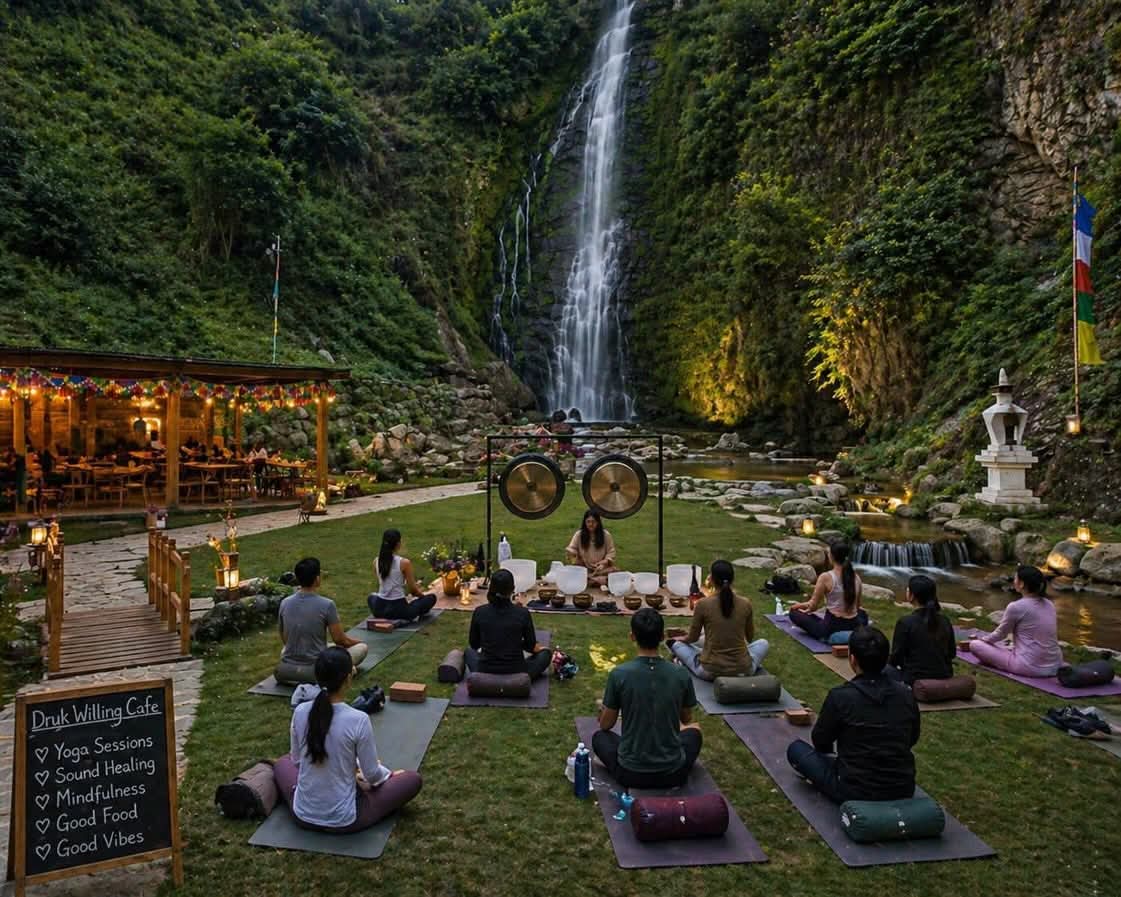
Few parts of the Willing story reflect its spirit more vividly than the origins of the Willing Waterfall Café. Where there had once been quarried stone, he envisioned a place of warmth, beauty, and welcome. A few kilometres from Trongsa town, just after crossing the Bjee Bridge, the café appears a short distance to the right.
The site where the café now stands was, in the 1990s, a working stone quarry, a patch of industrial land that few would have imagined as anything other than what it was. Then came the COVID-19 pandemic, a period that shuttered businesses and froze ambitions across the globe. It was precisely during this time that Pema Namgyel chose to build.
Located along one of the country’s most scenic road corridors, it has become a natural gateway for visitors travelling between eastern and western Bhutan, drawing footfall that has meaningfully benefited the region’s broader tourism economy. A thriving destination, proof that transformation of land, purpose, and community is possible when someone is willing enough to try.
The culinary experience at Willing Waterfall Cafe focuses on a mix of Bhutanese comfort food, Indian cuisine, café-style snacks, coffee, and fusion dishes served beside the iconic waterfall.
A name with meaning
When Pema Namgyel returned to Trongsa, he carried with him a conviction that has since become the guiding philosophy of everything he has built: that meaningful development must begin with a willingness to build where our roots are.
That philosophy gave rise to the Willing Brand and its fourfold promise, which underpins every decision made under its name: a willingness to return home, to build locally, to give back to the community, and to dream beyond boundaries.
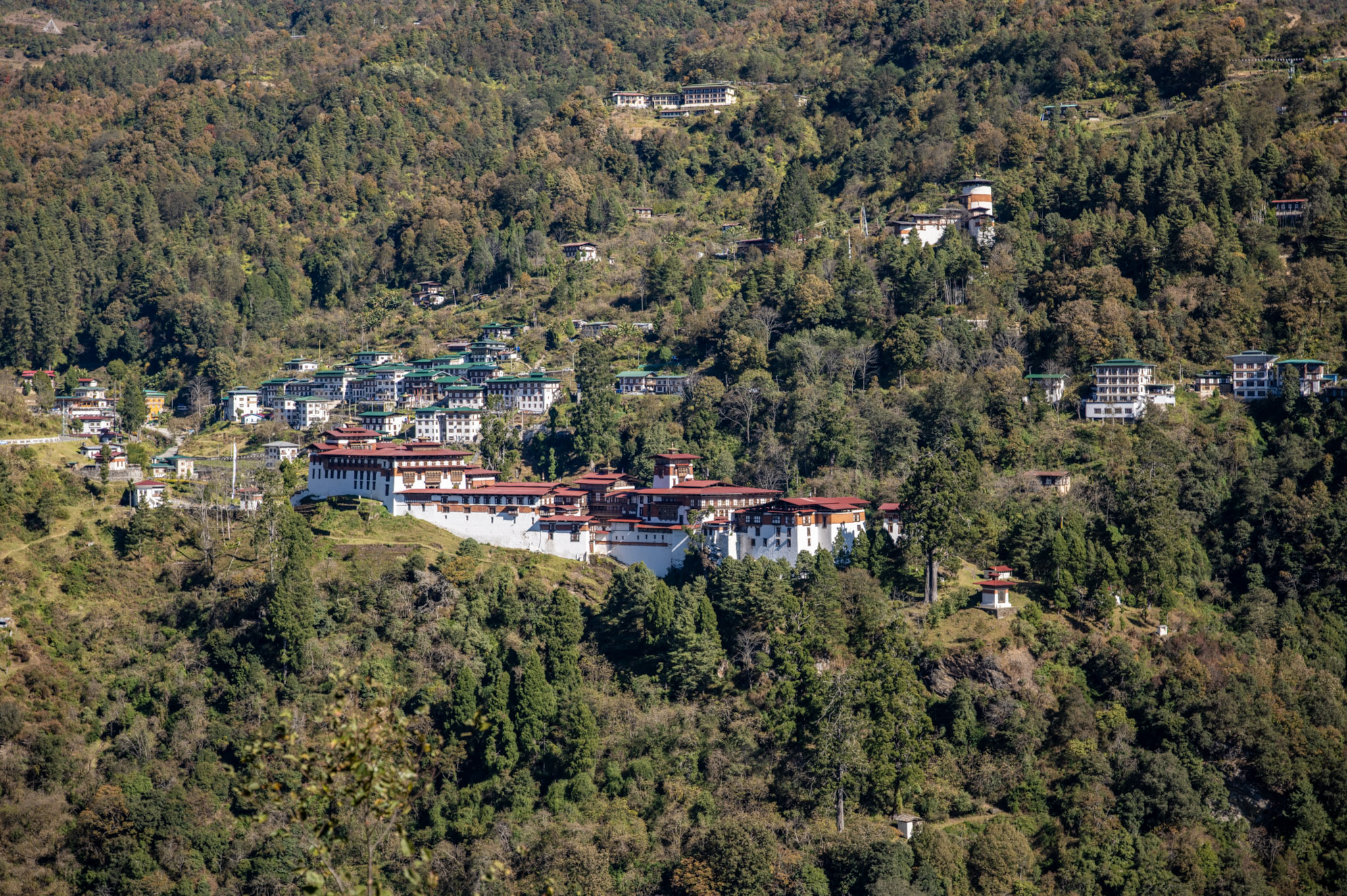
Together with his wife Lhamo, Pema brought this vision to life through Willing Resort, a proudly Bhutanese-owned luxury boutique retreat located on a serene hilltop in the heart of the Trongsa valley. Designed in traditional Bhutanese architectural style and guided by Feng Shui principles personally integrated by the couple, the resort offers sweeping panoramic views of the Mangde Chhu valley, the surrounding mountains, and the iconic Trongsa Dzong, a timeless symbol of Bhutan’s history and spiritual heritage.
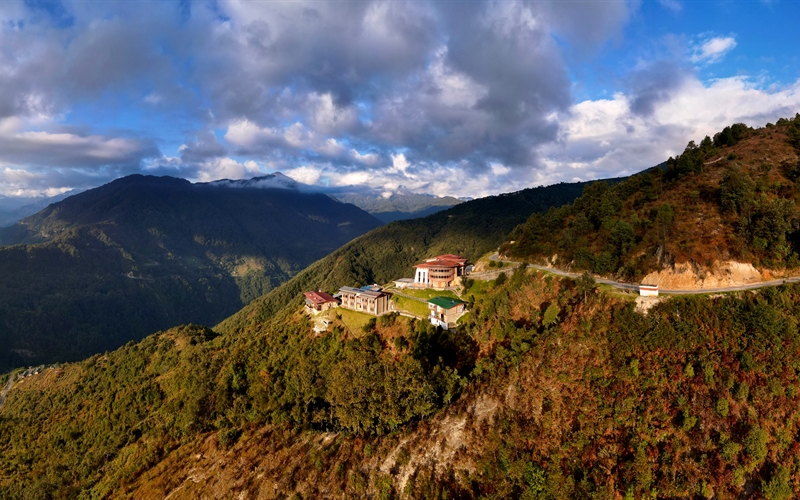
Trongsa, after all, is no ordinary place. Once the administrative heart of the kingdom and the traditional winter seat of the Royal Family, it is here that the Crown Prince first assumes the role of Trongsa Penlop before ascending the throne, a living tradition that endures to this day. Willing Resort stands in quiet reverence to this remarkable legacy.
A resort rooted in experience
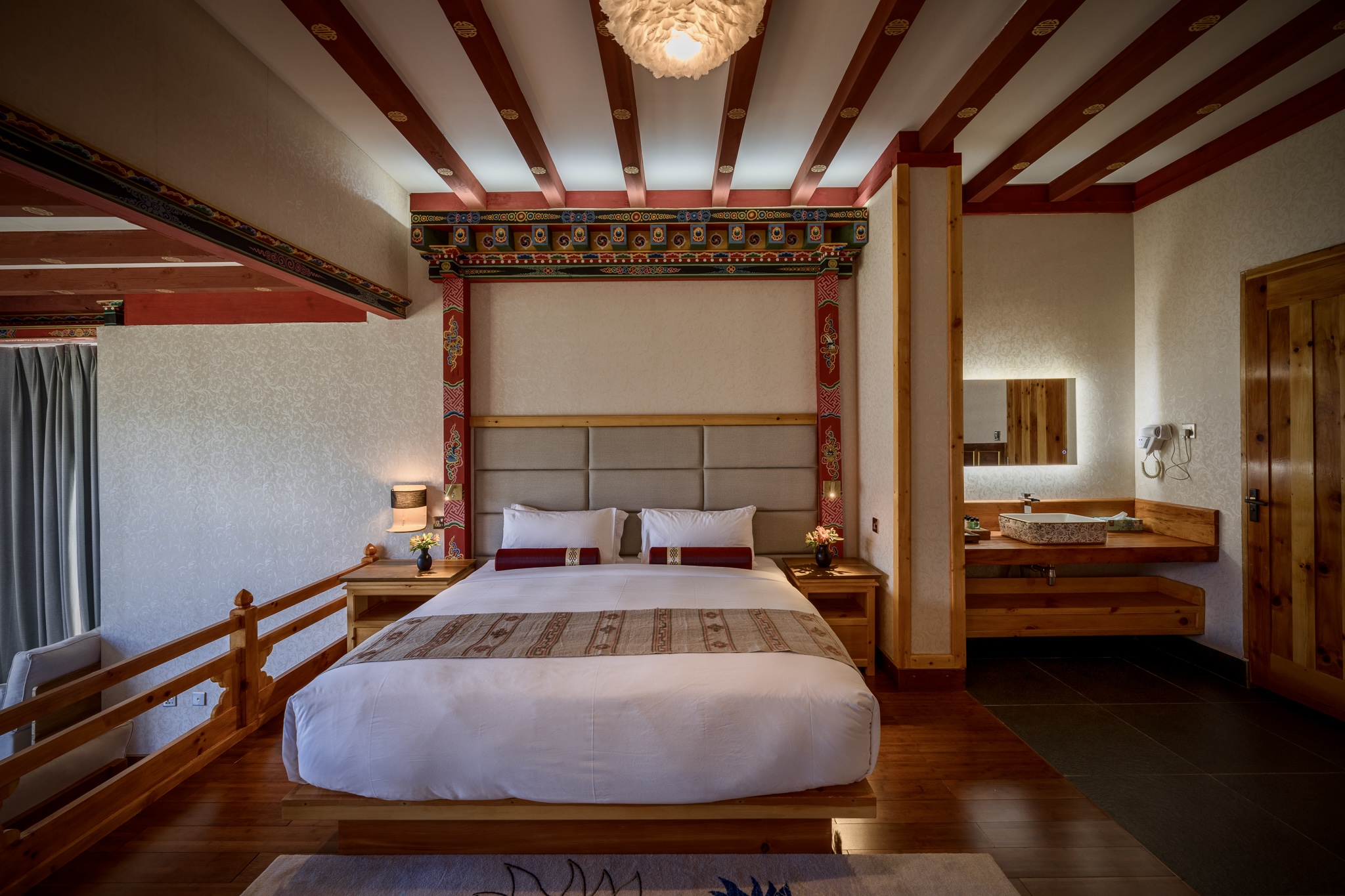
At Willing Resort, luxury is not an imported concept but something grown from the land, the culture, and the community around it. Guests are invited into 16 architecturally unique suites, ranging from Junior Suites with sweeping valley and Dzong views, to Deluxe Suites with private balconies and outdoor soaking tubs open to the mountain sky, to expansive Luxury Suites featuring traditional wood-burning fireplaces and uninterrupted views of the Trongsa Dzong, Watch Tower, and Mangde Chhu river.
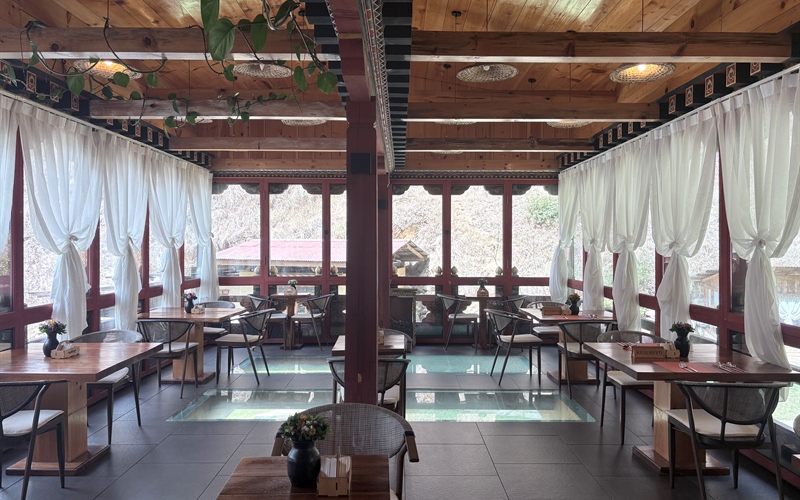
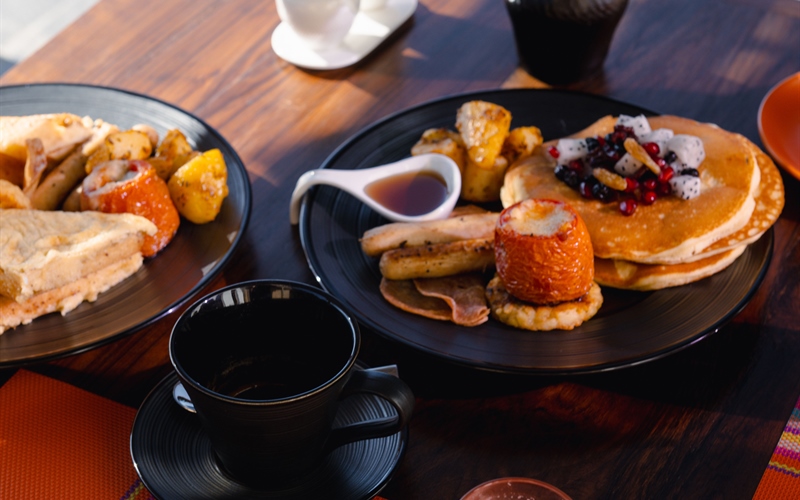
Dining celebrates the flavours of Central Bhutan, a seasonal menu built around fresh local produce, served against a backdrop of mountain panoramas and a cosy fireside ambiance. One of the resort’s most beloved signatures is its blueberry cake, crafted from wild blueberries hand-harvested above Willing Resort each February and March, a true taste of the land.
The spa and wellness sanctuary blends ancient Bhutanese traditions with contemporary therapies, offering sauna and steam experiences surrounded by wilderness, and an outdoor infinity pool adorned with rhododendron blossoms in spring and cloud reflections in the summer months.
Experiences that foster connection
Willing Resort reframes Trongsa not as a mere stopover, but as a destination in its own right one of Bhutan’s most historically significant and geographically central regions, sitting at the crossroads between east and west.
Guests can immerse themselves in centuries of living heritage, walking the corridors of Trongsa Dzong, built in 1644 and home to 25 temples spread across its maze of courtyards; visiting Ta Dzong, now the Royal Heritage Museum of Bhutan, which preserves the treasures of the Wangchuck Dynasty; and attending the morning and evening prayers at Trongsa Dzong, where sacred chants and traditional music continue as part of daily spiritual life.
For those drawn to nature and the trail, the resort offers guided hikes ranging from the gentle farm road walk to Willing Waterfall Café through forest and Semjee Village, to the more ambitious Singye Thang ascent reaching 3,950 metres with views of Gangkar Punsum, Bhutan’s highest peak.
Cultural experiences extend even deeper, guests can learn natural textile dyeing at the Tarayana Foundation’s nettle centre in Langthel, try their hand at pottery, or join a cooking class with local villagers, as well as sit for a personal Feng Shui consultation with founder Pema Namgyel himself.
The resort’s location in Trongsa also offers guests the chance to witness some of Bhutan’s most sacred festivals from the Trongsa Tshechu, featuring masked dances and the unveiling of the sacred thangka, to the deeply spiritual Yeshey Goenpi Drubchen and Pelden Lhamoi Drupchen. Each October, the Black Mountain Festival further enriches the experience, showcasing the culture and livelihoods of five local gewogs and offering a vivid window into the living traditions of this remarkable region.
Giving back: A community at the heart
For Pema Namgyel, building a successful business was never the end goal. The Willing Brand was always meant to serve a purpose larger than itself, and that commitment is reflected in practical, everyday actions. The brand prioritises local employment, sources produce directly from nearby villages, and follows responsible waste management practices. In Nubee Gewog, it has even introduced a weather forecast sharing system via WeChat—an unassuming yet impactful tool that helps farming families safeguard their harvests and better plan their seasons.
Then there is what may be the brand’s most celebrated community initiative: hosting Bhutan’s first-ever Farmers Festival, a landmark gathering that brought together farmers, producers, and local communities in a celebration of Bhutan’s agricultural heritage. More than a festival, it stood as a declaration that those who grow the food, tend the land, and sustain rural Bhutan deserve to be seen, celebrated, and honoured.
Looking ahead
The Willing Brand is still in its early stages, but its vision stretches far into the future. Thoughtful expansion plans are already taking shape across Bhutan, including a Willing Safari Lodge along the Sunkosh River in Dagana, a Willing Wellness and Luxury Lodge within the emerging Gelephu Mindfulness City, and a Willing Wellness Lodge in the sacred valley of Bumthang. Each new venture will carry the same founding spirit: local in its roots, global in its vision, and always willing to give more than it takes.
In the shadow of Trongsa Dzong, beside a waterfall that now cascades past what was once a quarry, one thing is already clear for Pema Namgyel, coming home was not a step backward but it was the most forward-looking decision he ever made.
Willing Resort and Willing Waterfall Café are located in Trongsa, Central Bhutan.