
How Ta Dzong Became a Guardian of Bhutan’s Cultural Identity
Explore the history of Ta Dzong in Trongsa, Bhutan’s centuries-old watchtower transformed into a Royal Heritage Museum preserving royal artifacts, cultural treasures, and the legacy of the Wangchuck dynasty.
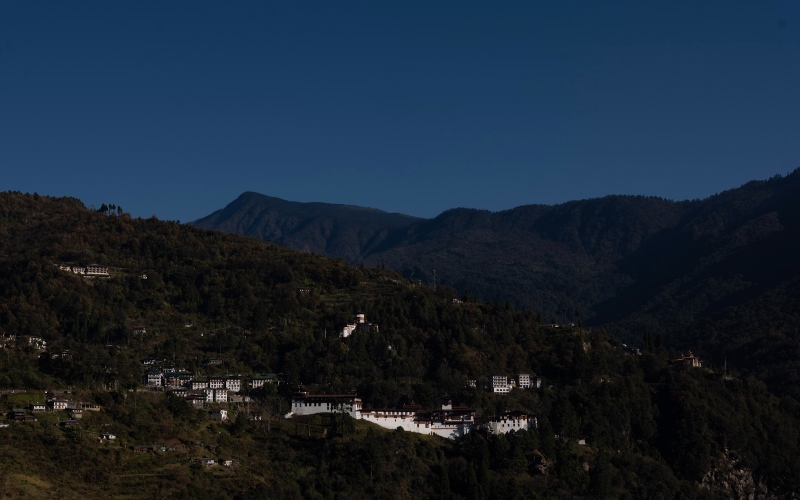
Trongsa, the central hub of Bhutan where mountains tighten and roads bend through history, is a town that has long shaped the destiny of Bhutan’s monarchy. Known as the “new village” in Dzongkha, Trongsa is more than a quiet central district. It is the ancestral seat of the Wangchuck dynasty and home to the imposing Trongsa Dzong, the 17th-century fortress that once commanded the vital east-west trade route across Bhutan.
Here, tradition and political power have long converged. Since the time of Zhabdrung Ngawang Namgyal, who established the institution of the Trongsa Penlop in 1647, the post has carried deep national significance, marking the path to the throne itself.
In keeping with this legacy, His Majesty King Jigme Khesar Namgyel Wangchuck was installed as the 16th Trongsa Penlop at Trongsa Dzong on October 31, 2004, formally affirming his role as Crown Prince and heir to the Bhutanese throne.
Ta Dzong: From Watchtower to Royal Heritage Museum
Perched on a ridge above the town, Ta Dzong once kept a vigilant watch over Trongsa Dzong, guarding against internal rebellion. Built in 1652 by Chogyal Minjur Tempa, the first Governor of Trongsa, the five-storey cylindrical structure stands today as a reminder of the region’s strategic and political importance.
Originally constructed as a defensive watchtower, Ta Dzong has since been transformed into a state-of-the-art Royal Heritage Museum overlooking the town, a restoration completed in 2008 with Austrian support.
Today, the museum houses royal memorabilia and cultural artifacts that trace the history of Bhutan’s monarchy and national identity.
Preserving Bhutan’s Royal Legacy
The museum contains more than 300 culturally and historically significant artifacts.
Among its rarest exhibits is the Raven Crown. Lama Chan Chub Sondru (1817–1856), the personal guru of Jigme Namgyel, is credited with crafting the original Raven Crown for Jigme Namgyel.
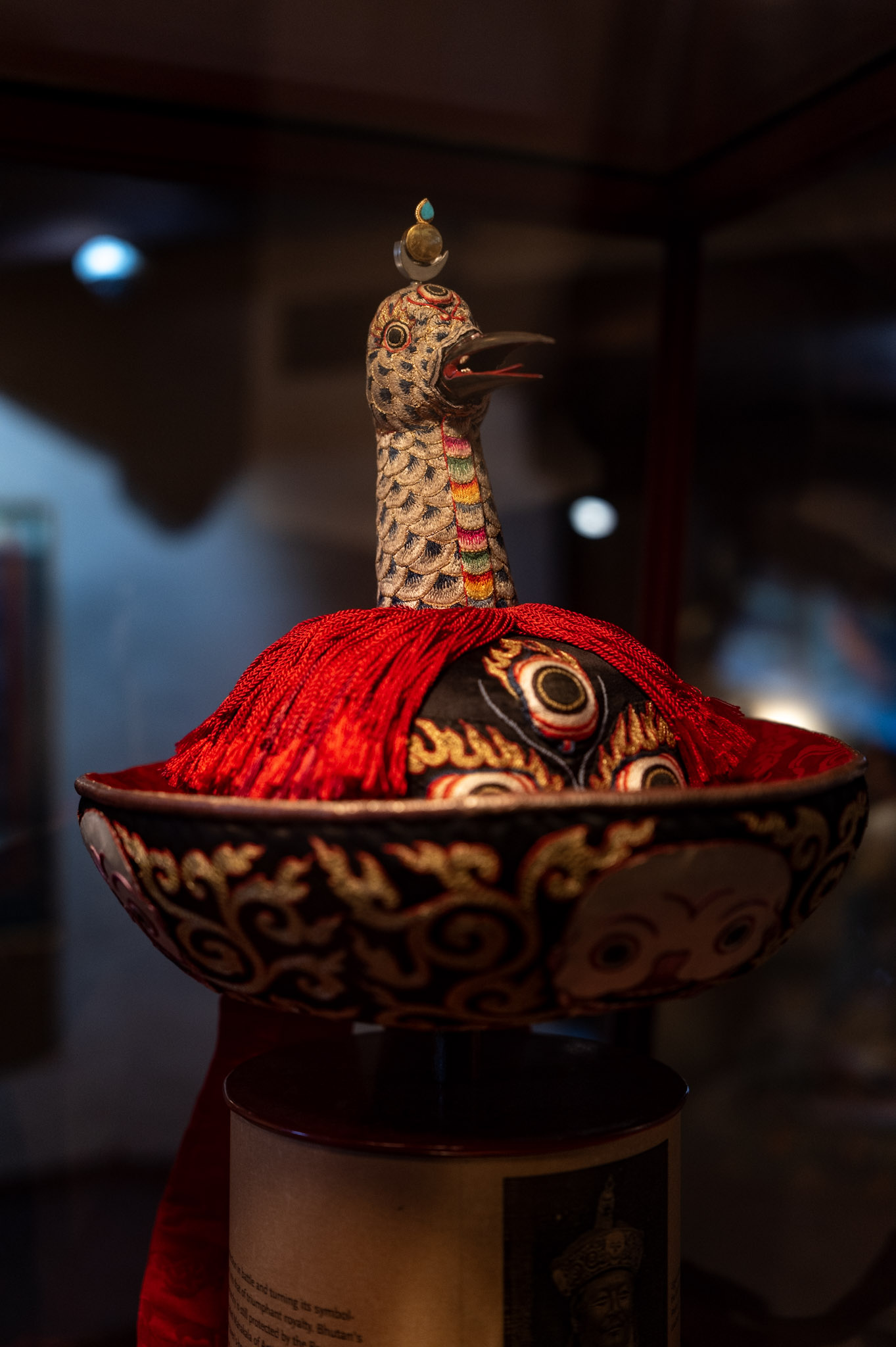
Today, the Raven Crown of the Second King is prominently displayed in a striking central showcase suspended within a reverse wire pyramid. Known as the Uzha Jarog Dongchen, the Raven Crown is the official crown of Bhutan’s kings and features a raven’s head symbolising the guardian deity Mahakala.
Introduced in 1907 by the First King, Ugyen Wangchuck, the crown was inspired by a battle helmet worn by his father, Jigme Namgyel. It represents divine protection, spiritual strength, and royal authority.
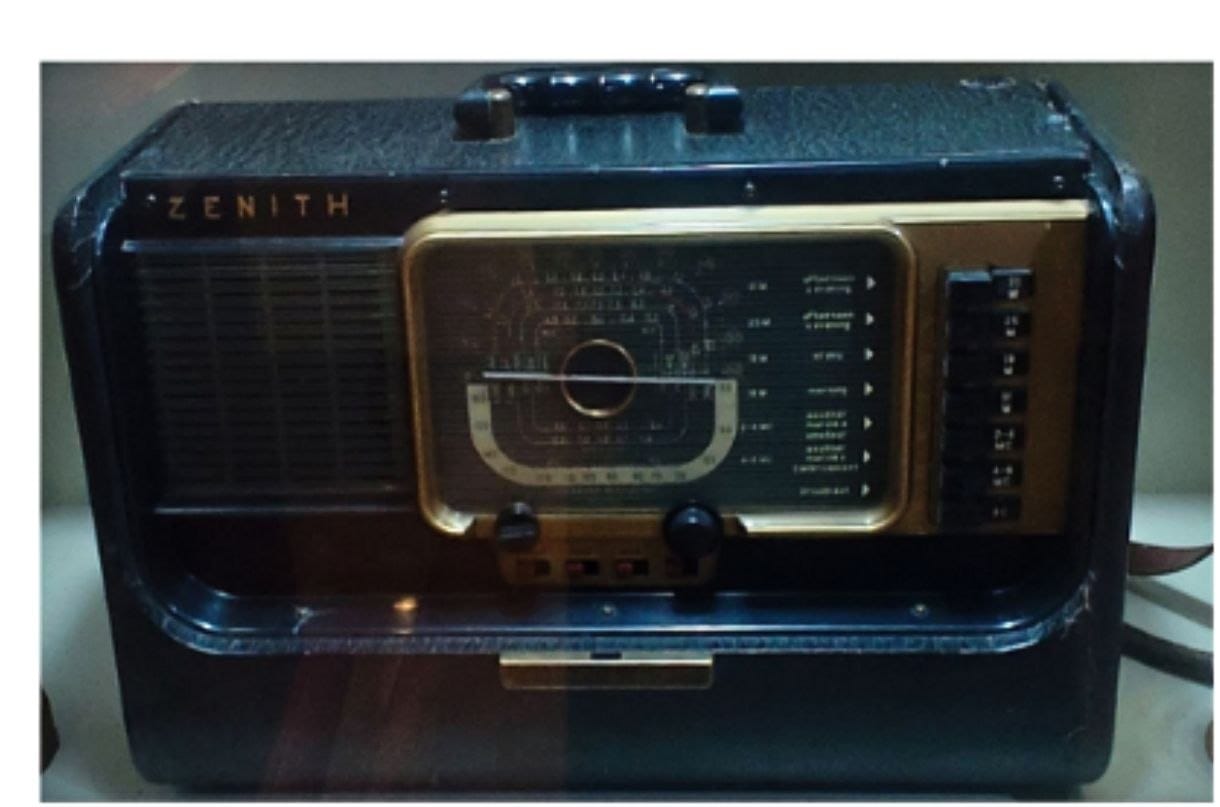
Other rare exhibits include a casual hat once worn by Gongsar Ugyen Wangchuck, a pen belonging to His Majesty King Jigme Khesar Namgyel Wangchuck, and a radio owned by the Third King, Jigme Dorji Wangchuck, which was gifted to him by a friend from the United States.
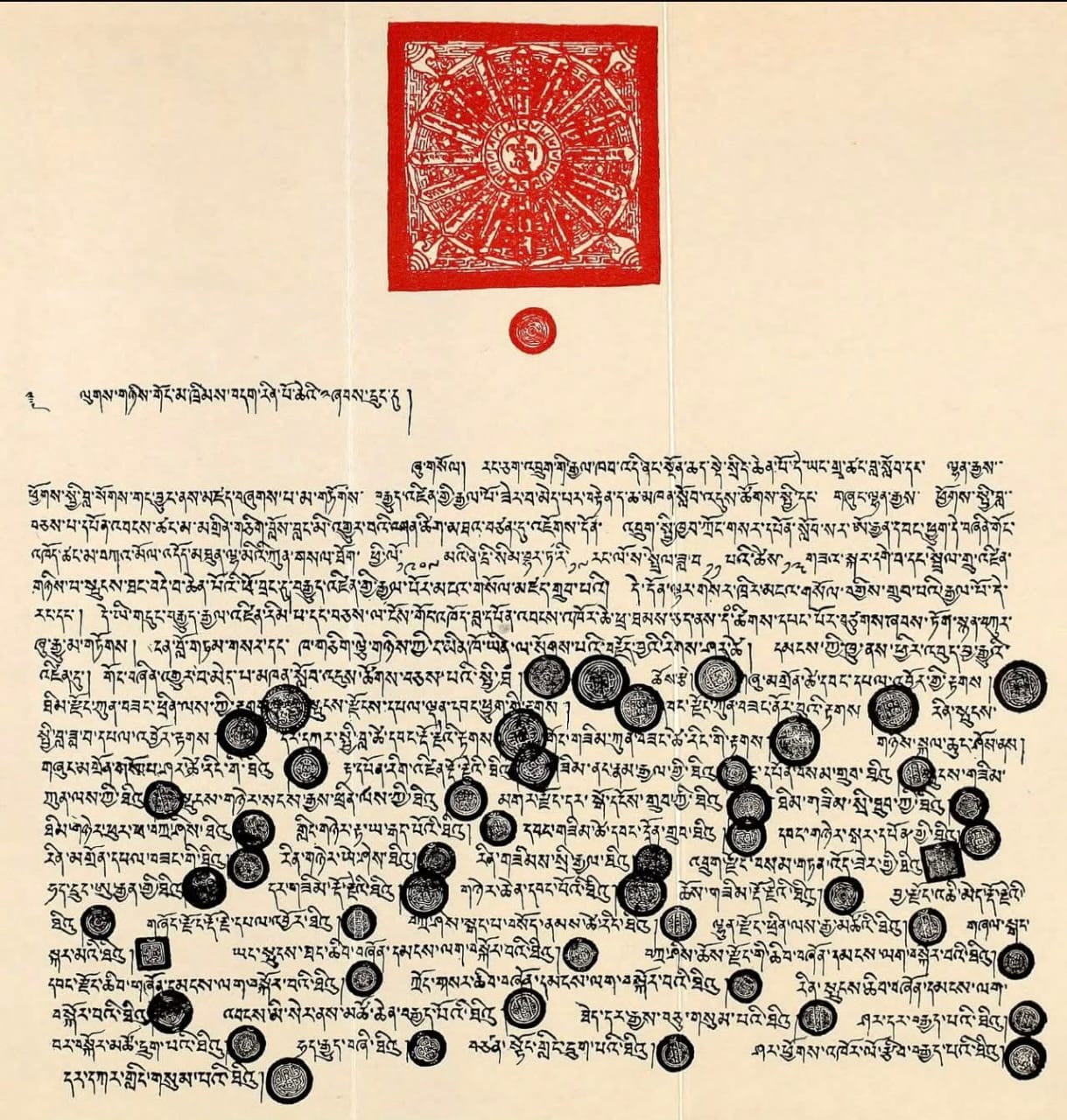
The museum also preserves a replica of the 1907 Genja — the solemn oath of allegiance signed by representatives of the monastic body, the state, and the people from across the country — as well as the original oath of allegiance document of the Second King, Jigme Wangchuck.
All the exhibits hold deep cultural significance for Bhutan, with many items originating directly from members of the Royal Family.
A Living Museum of Culture and Faith
Ta Dzong is often described as a “living museum” because it not only showcases Bhutanese artifacts but also houses two temples, each maintained by an assigned monk who performs the daily Yoenchhap (water offering) rituals.
As the artifacts age, the museum relies on skilled conservators to preserve and protect them for future generations.
For international visitors, the museum serves as a gateway to Bhutan’s royal and cultural heritage. For Bhutanese visitors, it functions as a guardian of national memory — safeguarding valuable artifacts, educating students, and promoting cultural awareness through museum programs.
Its mission is to preserve, promote, protect, and propagate Bhutan’s unique cultural heritage while also contributing to government revenue.
Education Through Heritage
The museum includes a dedicated Education Room that supports interactive learning for visiting students.
Its education programs turn museum visits into engaging experiences by connecting classroom lessons with historical collections and artifacts. Designed for different age groups, the programs encourage observation, discussion, and creative thinking, enriching students’ academic learning through direct cultural exposure.
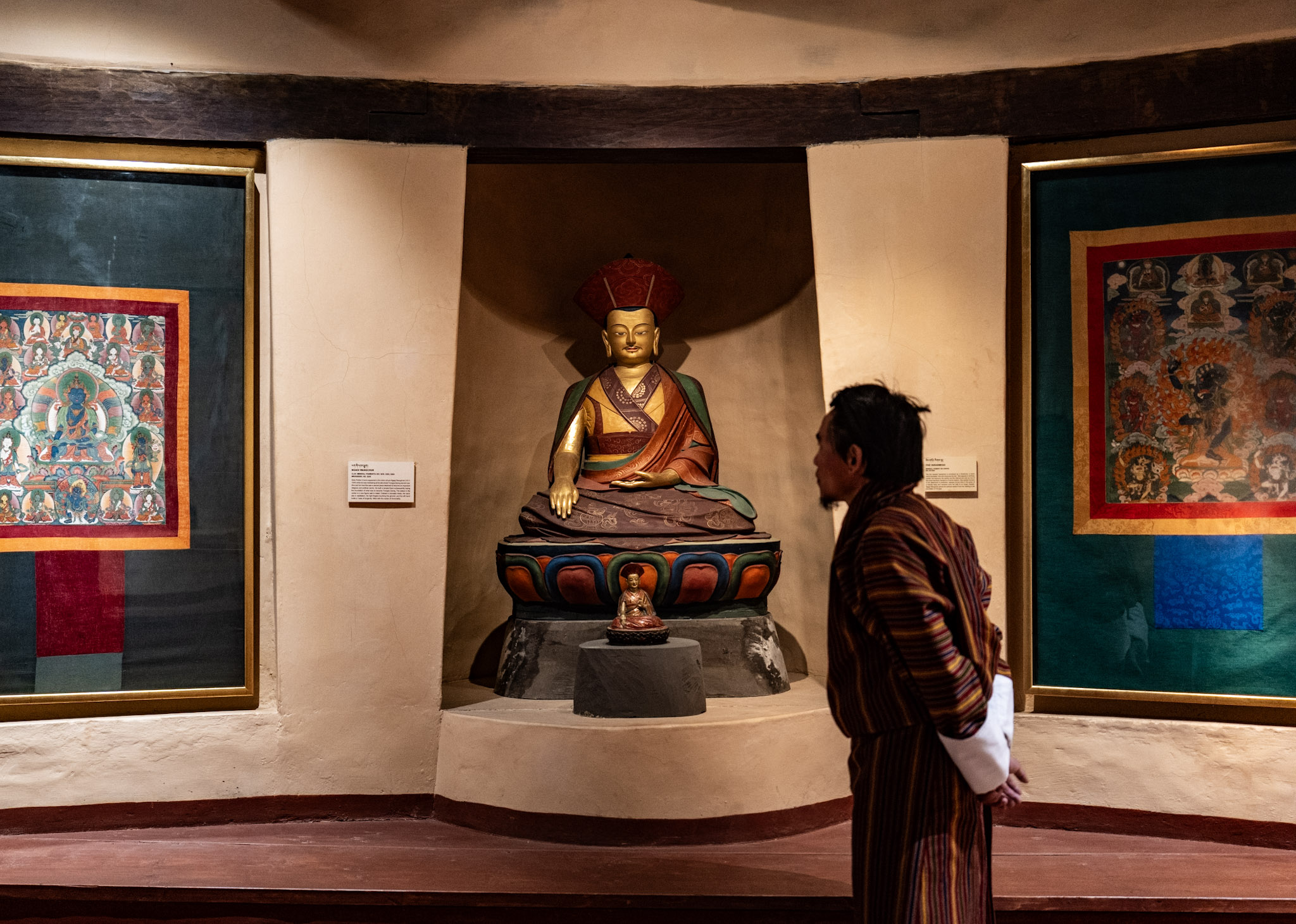
Growing Visitor Numbers Despite Remote Location
Despite its remote location far from the capital, the museum’s historical significance has attracted more than 200,000 visitors between 2008 and 2025.
In 2025 alone, the museum recorded 6,742 visitors, including tourists, locals, and students. Of these, 4,824 were international tourists.
Many tourists travelling to destinations such as Bumthang or Panbang often stop at the museum or spend a night in Trongsa. According to museum officials, many of these visitors are high-end tourists seeking cultural experiences.
Monument Fees Revised Over the Years
The Royal Heritage Museum has revised its fee structure three times since opening 18 years ago.
Initially, international tourists were charged Nu 100 (~USD 1.20), SAARC visitors Nu 50 (~USD 0.60), Bhutanese visitors Nu 10 (~USD 0.12), and students Nu 5 (~USD 0.06).
The second revision increased the fees to Nu 300 (~USD 3.60) for international tourists, Nu 100 (~USD 1.20) for SAARC visitors, Nu 50 (~USD 0.60) for Bhutanese visitors, and Nu 10 (~USD 0.12) for students.
Under the latest revision, the museum now charges Nu 500 (~USD 6) for international tourists and Nu 100 (~USD 1.20) for local visitors, while students currently enjoy free entry.
Museum officials, however, plan to introduce a nominal fee for students in the future, believing that a small charge may encourage visitors to value the experience more. Students visiting as part of educational tours will continue to receive free entry.
Safeguarding Bhutan’s Cultural Memory
With its rich history, priceless artifacts, and continued efforts to engage both local and international audiences, Ta Dzong remains one of Bhutan’s most important cultural institutions.
More than a museum, it stands as a custodian of Bhutan’s collective memory — preserving the legacy of the monarchy, educating future generations, and offering visitors a deeper understanding of the country’s cultural identity.
The museum is open daily from 9 a.m. to 5 p.m. and remains closed on national holidays.