
Dasho Dr Lotay Tshering on Democracy, GMC, and Bhutan's Next Chapter
From the operating theatre to the Prime Minister's office to the frontier of a civilisational project, Dasho Dr Lotay Tshering has always followed one rule — cut straight.
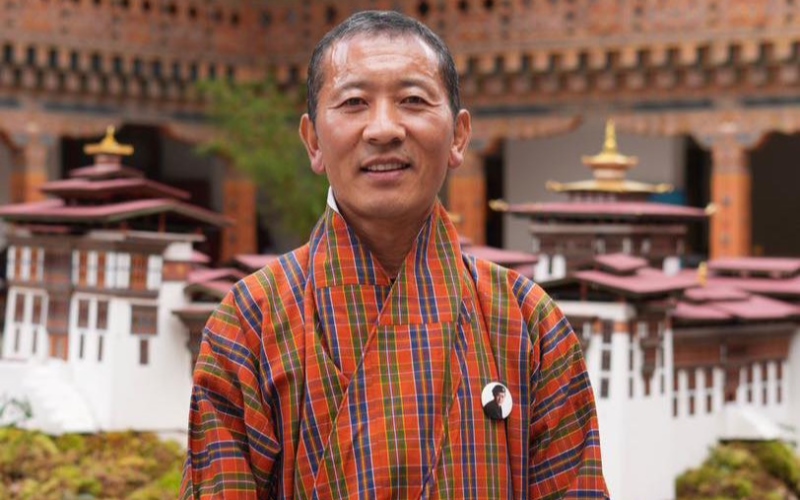
There is something disarming about a politician who volunteers that pleasing everyone is a sign of failure.
Dasho Dr Lotay Tshering — surgeon, former Prime Minister of Bhutan, and now one of the driving forces behind Gelephu Mindfulness City — says it plainly, without theatre. "I'm not there to please everyone. I'm there to do what is supposed to be done. At the end of the day, if I have pleased everyone, I consider that a failure."
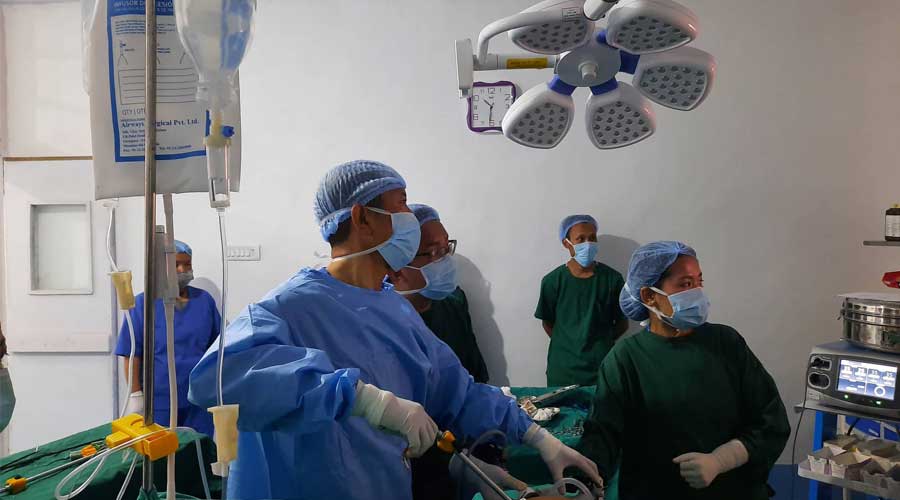
It is the kind of clarity that comes from a career spent with a scalpel in hand. Before politics, he was a urological surgeon. And the habits of that profession — the necessity of precision, the cost of hesitation — have followed him across every role since.
"As a surgeon, I'm trained to cut straight. So as Prime Minister, I cut straight. And now as a governor of GMC, I'm cutting straight."
The Weight of Five Years
Ask Dasho Dr Lotay Tshering about the limits of democratic governance and he doesn't flinch. He has lived them from the inside.
Every election, he explains, follows the same arc. Garnering votes. Building support. Winning. Forming government. Fulfilling pledges. And within that arc sits a tension that no amount of visionary thinking can fully resolve — the gap between what people need today and what a country needs in twenty years.
"No matter how much we try to expand our imagination or be visionary and farsighted, it ultimately boils down to listening to people's needs and trying to fulfil them. In most cases, these needs are what people require on a daily basis."
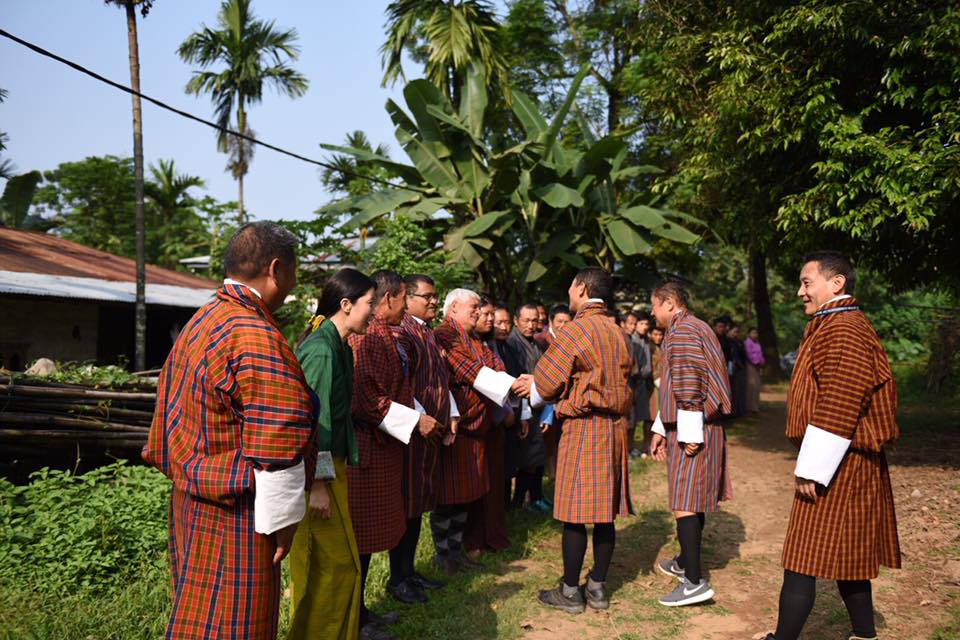
In Bhutan, where the voter base is still developing in terms of education and civic exposure, he says that tension sharpens further. Add a five-year political cycle, a multi-party parliament requiring constant negotiation, and the pressure to start and finish within a single term — and the structural constraints of democratic leadership come into sharp relief.
"Pledges are made with the intention of supporting the country and making it more relevant in the 21st century. But the five-year cycle creates significant pressure. And in a multi-party democracy, we must constantly work with and compromise alongside opposition members."
He is not cynical about democracy. He is simply honest about what it can and cannot do.
Two Systems, One Country
That frankness is part of what makes GMC feel less like his next posting and more like the work he was always building toward.
Gelephu Mindfulness City, he explains, is not a city in any conventional sense. It is a structure unlike anything attempted elsewhere — a Royal Charter issued by His Majesty King Jigme Namgyel Wangchuck in 2023 creating full executive, legislative, and judicial autonomy within Bhutan's borders. Two systems, one country.
"The rest of Bhutan continues to function under the existing governance structure. But for GMC, we have full autonomy. This means we can study the norms, policies, regulations, and laws of any country in the world, adapt what suits GMC's needs, and implement accordingly — without being constrained by the five-year political cycle."
The fundamental difference between being a Prime Minister and a Governor as GMC is one is working on a five-year political cycle, whereas the other is working on an inter-generational vision.
A Civilisational Project
Many observers call GMC a greenfield city. Dasho Dr Lotay Tshering sees it differently.
"Many people call it a greenfield project, but I see it as a civilisational project where civility becomes the core value."
A greenfield project asks: what can we build here? A civilisational project asks: what kind of society do we want to exist? The infrastructure follows the values, not the other way around.
The distinction matters to him. GMC, in his telling, is not simply a new economic zone or a smart city experiment. It is the next expression of Gross National Happiness — GNH 2.0, as he puts it — an evolution of Bhutan's founding philosophy, made relevant for the 21st century while remaining timeless for the generations that follow.
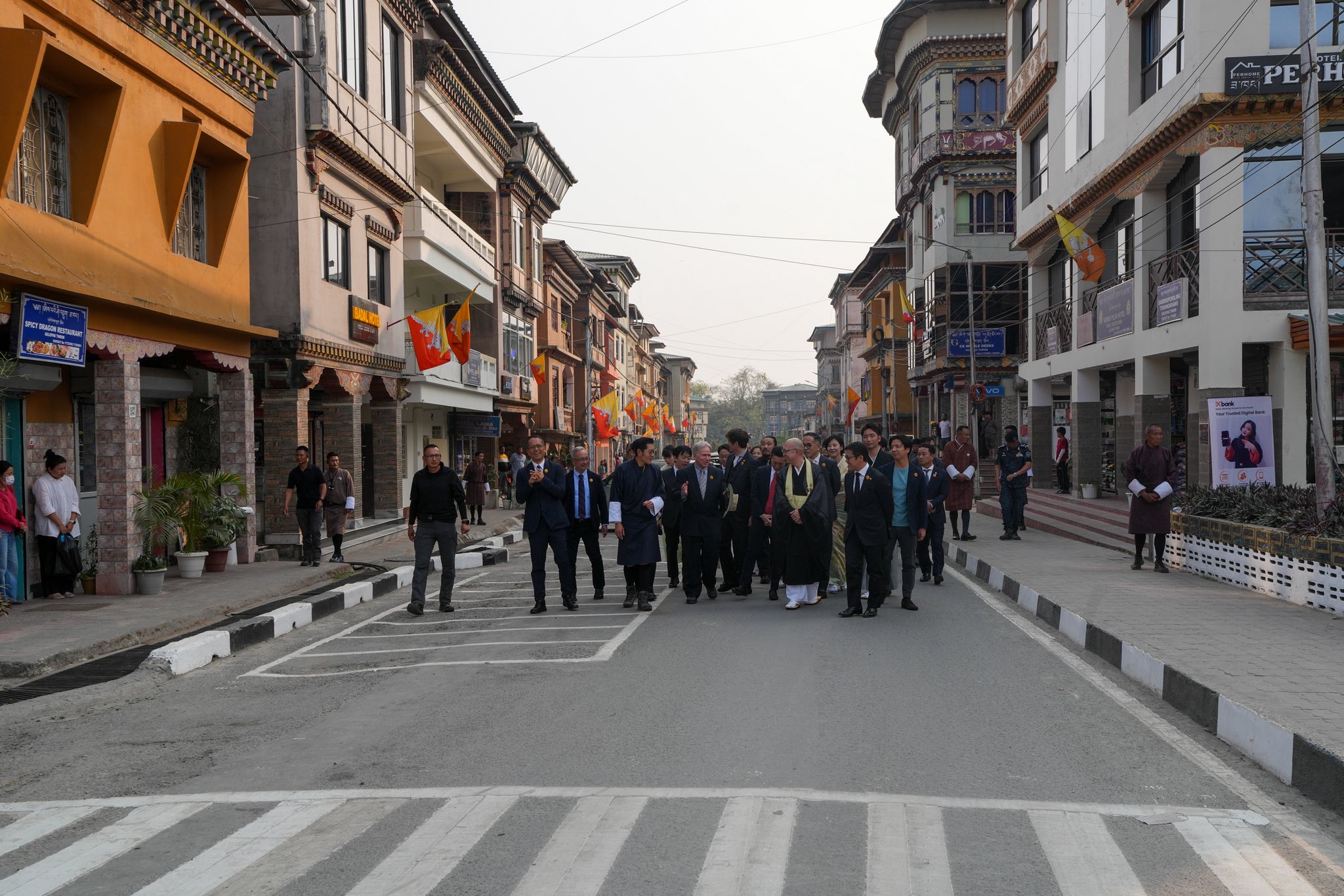
The economy it will build, he is equally clear, will not look like what most investors expect. Conventional, profit-driven, mass-manufacturing businesses are not what GMC is seeking. Sitting between two of the world's largest manufacturing economies, Bhutan has no interest in competing on that terrain.
"GMC prefers to focus its time and energy on high-value, future-oriented, sustainability-aligned sectors where we can truly differentiate ourselves."
What it will welcome are businesses aligned with sustainability and green technology, forward-looking ideas that need a test bed, and global talent willing to incubate alongside Bhutanese youth. The goal, as he describes it, is not just to slow the outward migration of young Bhutanese — but to reverse it entirely, and pull the world's brightest minds in.
What 2031 Looks Like
The conversation turns concrete when he talks about the near horizon. Asked what GMC will look like in five years, Dasho Dr Lotay Tshering speaks not in hopes but in plans already taking shape on the ground.
By 2031, the initial phase of GMC's first phase should be complete — the common minimum infrastructure, the foundational layer that everything else will grow from.
The centrepiece is the airport. Gelephu International Airport is already drawing attention before a single runway has been finished — its design has won international recognition and awards.
By 2031, he expects the airport to be operational, with direct flights connecting Gelephu to major cities across the world. Around it, a constellation of other landmarks should be in place — a dozen or so uniquely designed spiritual centres, the first phase of Old Town renovation, one or two high-end wellness resorts, and at least one international-standard school with students already enrolled.
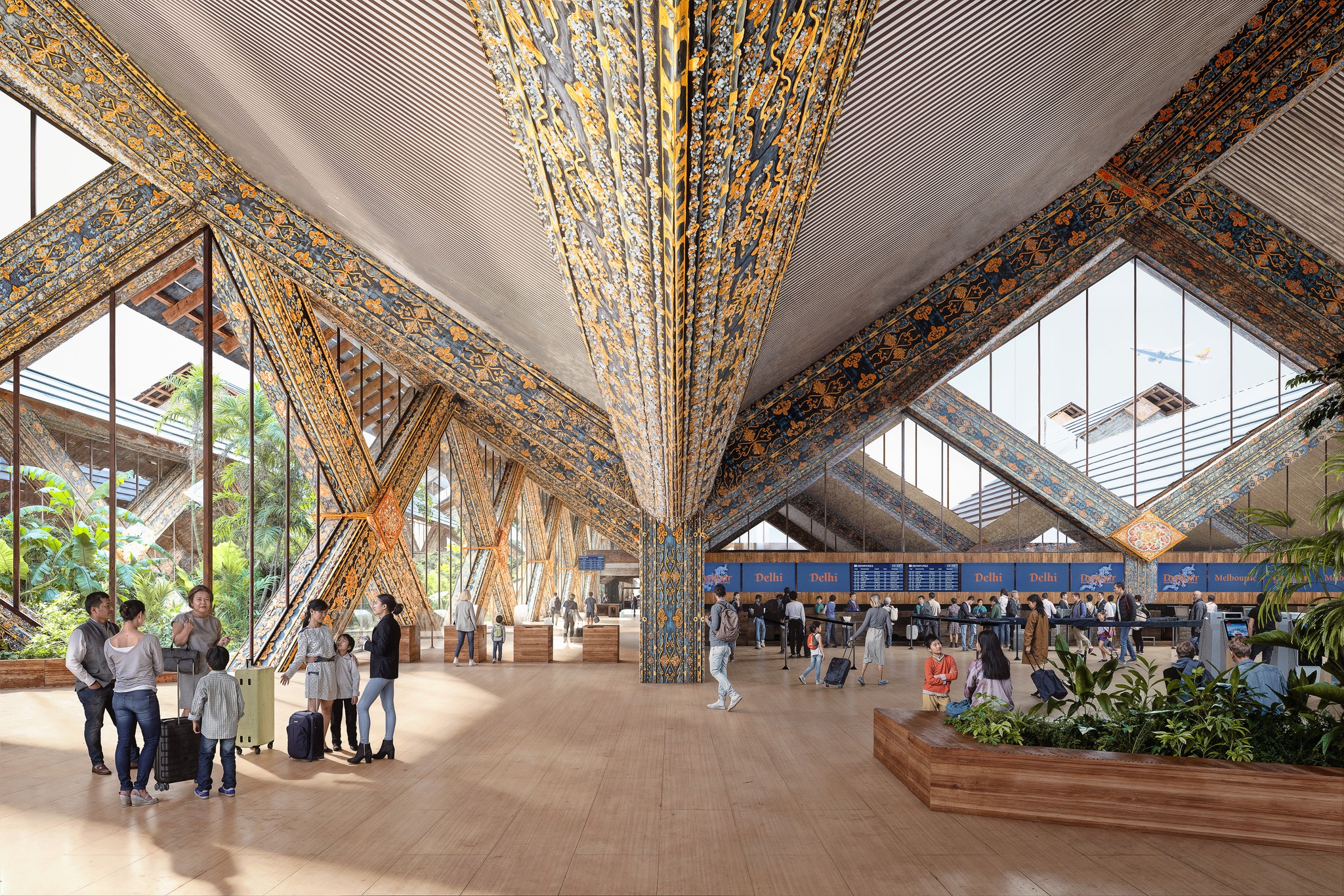
The business picture is already moving. Companies are expressing interest, registrations are following, and by 2031, he expects a critical mass of offices open and staff — local and international — already at work in Gelephu.
And then there is the shift he finds most personally meaningful. Bhutanese who left — who went abroad, built careers, gained exposure — have already begun coming back. Not because opportunities ran out elsewhere, but because something is being built at home that is worth returning for.
"By 2031, we see that number being gone up by many fold."
He pauses. "I think that's the beginning of wonderful happenings that GMC is intended to bring about."
Mindfulness, Reframed
The word "mindfulness" gets used loosely. In GMC's case, Dasho Dr Lotay Tshering is careful to reframe it.
It does not simply mean meditation, yoga, or peace of mind — though those are part of it. In GMC, mindfulness means thinking seriously about the future of society, science, and human wellbeing. It means being awake to how rapidly the world is changing and positioning accordingly.
"GMC is a place where, when others are only beginning to talk about something, we are already adopting and implementing it."
One example he points to: next-generation longevity science, which he expects to become a key pillar of GMC's economy.
Watching a King Grow
There is one part of the GMC journey that Dasho Dr Lotay Tshering speaks about with something approaching wonder — and it is not a policy or a project. It is His Majesty, King Jigme Khesar Namgyel Wangchuck.
"Whenever I meet him — whether after a week, a month, or sometimes just a few days — I see a change in him."
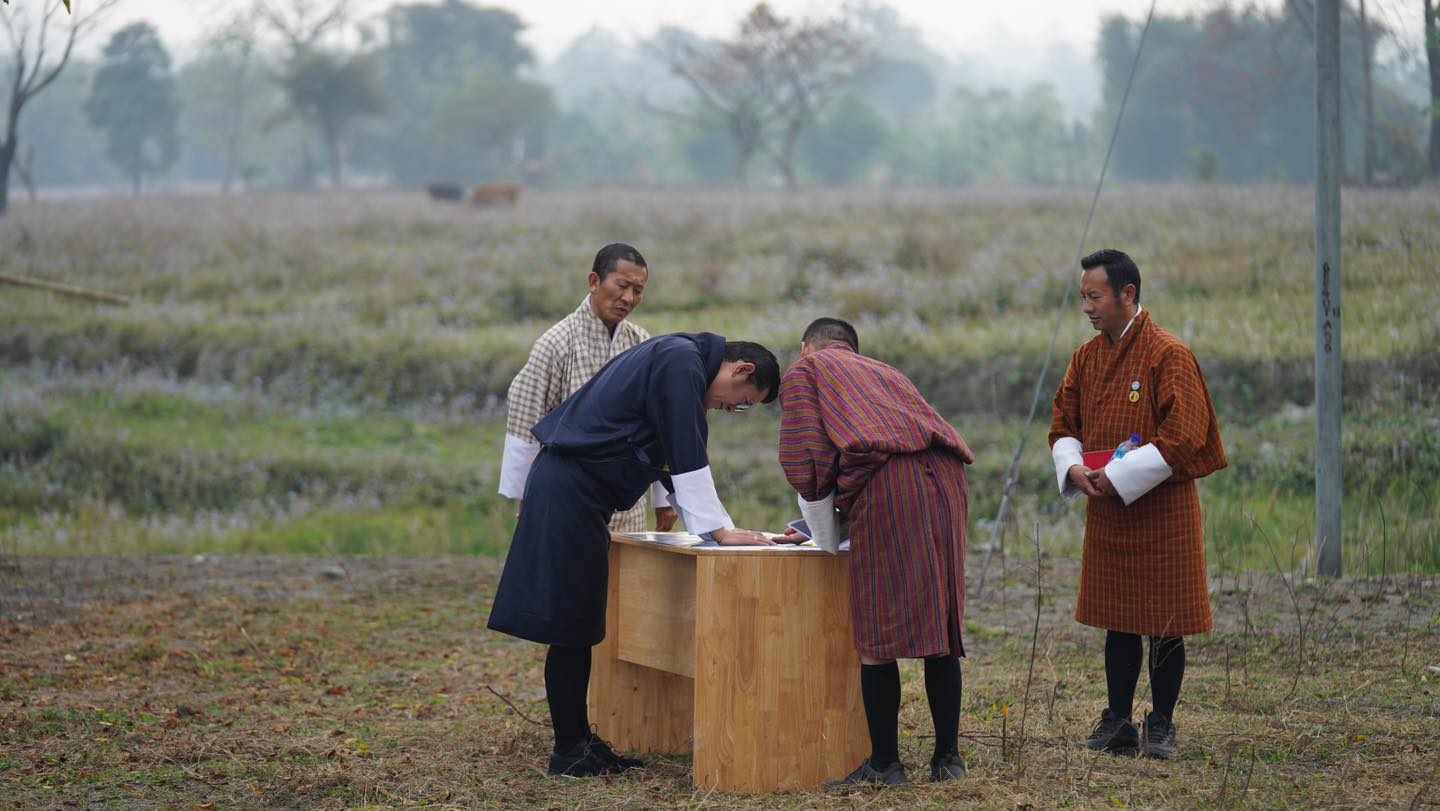
He has followed His Majesty's steps closely for nearly a decade. In that time, he says, the transformation has been remarkable — not merely in vision or strategy, but in the depth and breadth of ongoing learning. His Majesty reads widely, listens to everyone, learns constantly, and retains deeply.
"The best part for Bhutan is that he also has the authority to implement what he knows. When he reads, learns and grows intellectually stronger, that becomes our future."
It is, he says, a form of leadership that no leadership book has ever described. And it is where his greatest confidence for Bhutan's future comes from — not a policy framework, not a foreign investment figure, but the sight of a king who keeps growing.
The One Thing That Worries Him
For all his confidence in GMC's vision, Dasho Dr Lotay Tshering carries one concern close.
It is not about investors or infrastructure or timelines. It is about whether Bhutanese people themselves will take the time to truly understand what is being built — and position themselves to benefit from it.
"GMC will not be there to hand-hold everyone. GMC will offer the platform — but it will be up to individuals to step forward and make use of the opportunities."
There will be no preferential treatment based on nationality. Opportunity will go to those who are capable and aligned. The question he keeps returning to is whether enough Bhutanese will take that seriously before it is too late to catch up.
"My concern today is how we can effectively reach every Bhutanese and help them understand the potential that GMC offers them."
A Once-in-a-Generation Moment
There is one answer Dasho Dr Lotay Tshering gives that lands differently from all the others.
Ask him what gives him the greatest confidence in Bhutan's future, and he talks about volunteers.
Every time GMC announces a volunteer event, online registration floods so fast they have to shut it down. The demand keeps pouring in anyway. People show up — not for a wage, not for recognition, but because something about this moment has reached them and asked them to be part of it.
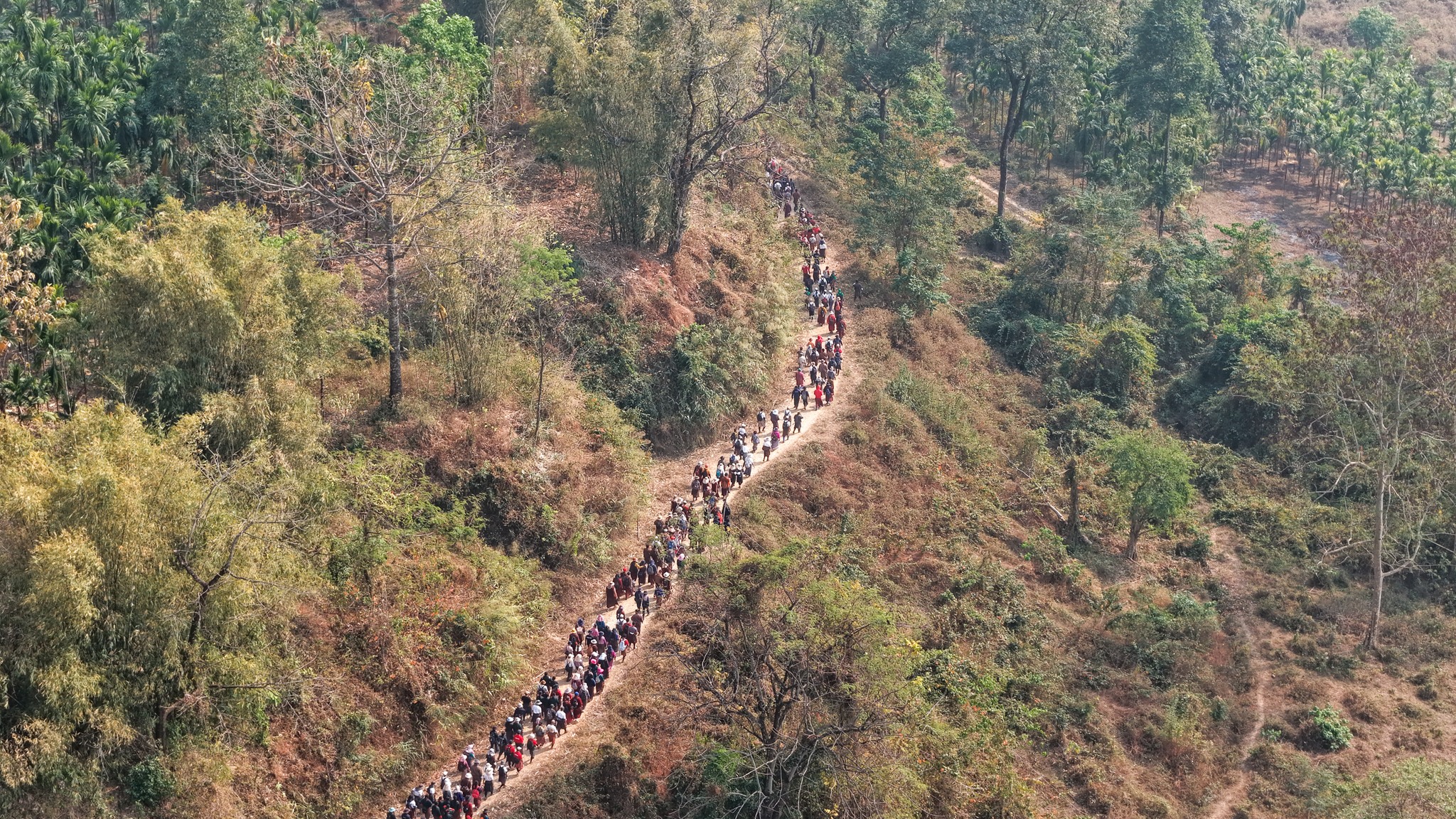
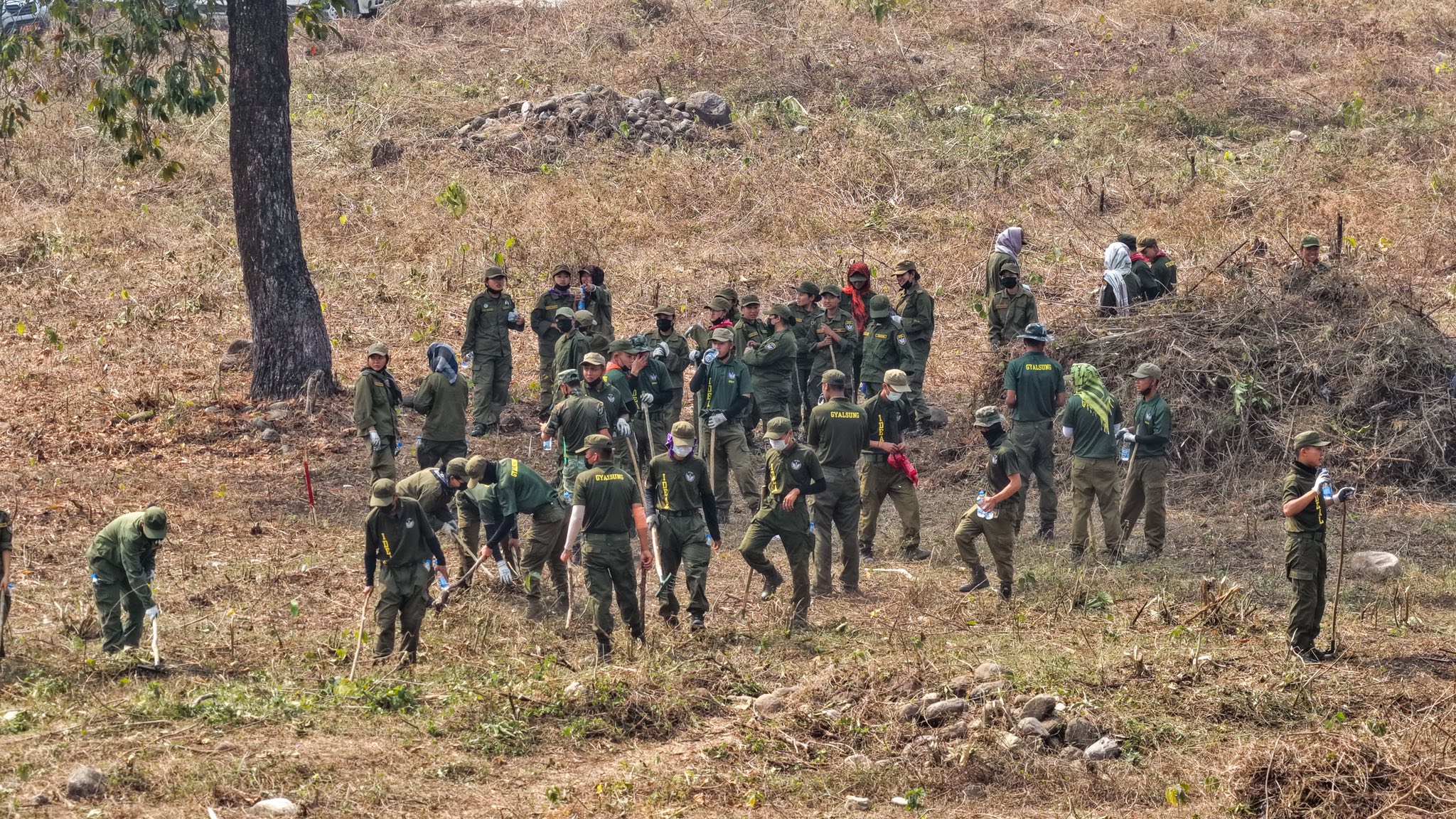
"It is almost unbelievable that a city like GMC can be built through volunteer effort. In many other parts of the world, even if you pay people, it is difficult to mobilise labour."
Behind that, he says, is His Majesty the King — a leader who commands not compliance, not obligation, but something rarer and more durable: absolute and unconditional respect, from his own people and from every person he encounters across the world.
When a nation moves like that — not because it must, but because it wants to — something extraordinary is happening.
"When we look back at this moment 10 or 20 years from now, I do not think any other institution, nation or generation will have the opportunity to live through what we are experiencing today."
He says it quietly. Not as a boast. More like a man who knows exactly where he is standing in history, and does not want anyone to miss it.