
Haa's Tergola Emerges as Bhutan's New Model for Nature-Based Tourism
Nestled in Haa District, Tergola is set to launch a conservation-first nature tourism programme centred on Bhutan's highest recorded red panda population. With strict visitor controls, habitat protection measures, and community-led experiences, the initiative aims to demonstrate how tourism can support biodiversity conservation.
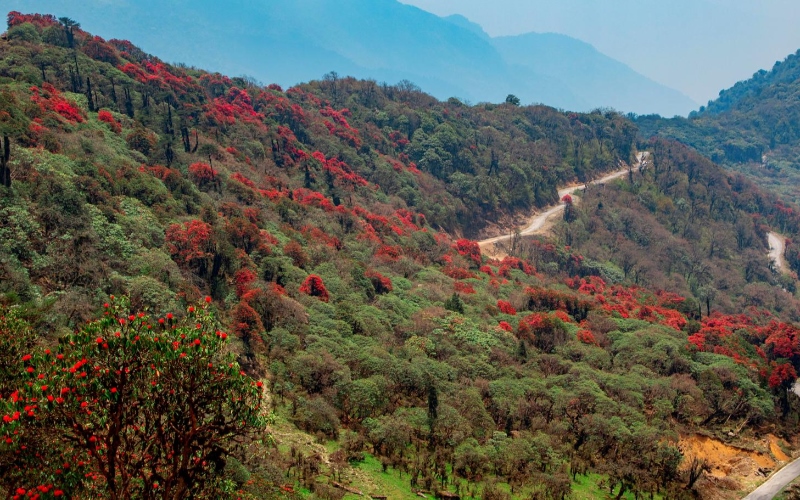
Haa, often described as one of Bhutan's most enchanting valleys, is a place where spiritual heritage and natural beauty exist side by side. Framed by pristine mountains and sweeping alpine landscapes, the valley carries a sense of stillness that feels both grounding and timeless.
Haa is the second least populated district in Bhutan after Gasa in northern Bhutan. It is home to deeply revered sacred sites such as Lhakhang Karpo and Lhakhang Nagpo, ancient temples that continue to shape local faith and legend. These sites draw pilgrims and visitors alike into their rich histories. Beyond these spiritual landmarks, Haa opens into unspoiled valleys, dense forests, and highland ecosystems that remain remarkably intact, offering a rare glimpse into landscapes shaped more by tradition and nature than by modern development.
First kind of nature-based tourism in Tergola
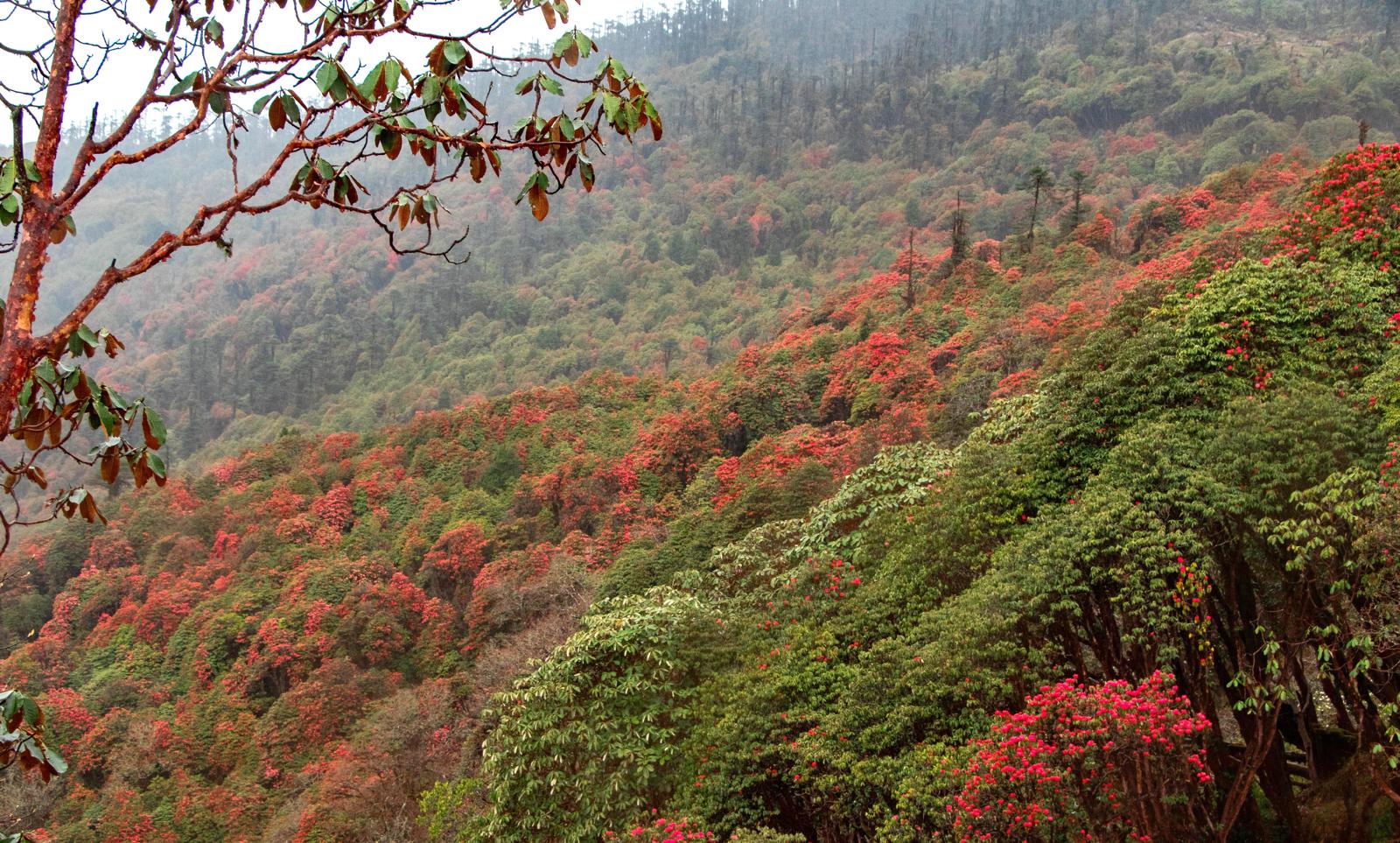
The road from Haa winds for about an hour before the landscape begins to change. Forests deepen, the air turns cooler, and signs of human presence gradually fade. Here, in Tergola, a Key Biodiversity Area tucked into Bhutan's western highlands, the forest is more than scenery. It is a sanctuary.
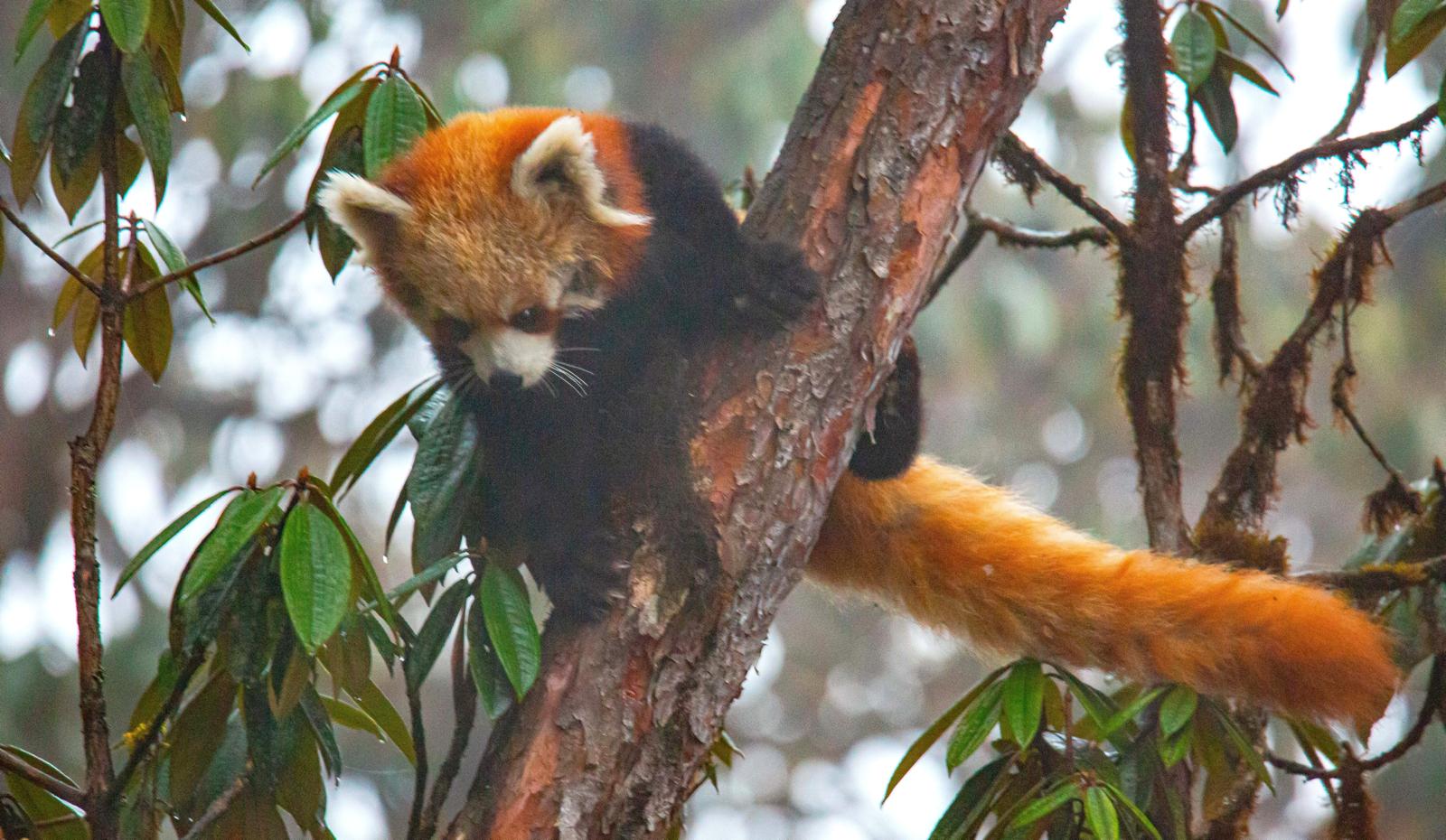
Tergola supports 42 red pandas, the highest recorded population in any single area of Bhutan, according to the nationwide Red Panda Survey 2023. Of the 302 individuals recorded across surveyed areas nationwide, Tergola accounts for a significant share, highlighting its importance as a critical stronghold for the species within a Key Biodiversity Area.
Now, Tergola is being carefully developed as a conservation-first nature tourism destination, one where visitors are welcome, but only on the forest's terms. Strict zoning, limited visitor numbers, and low-impact infrastructure are being designed to ensure tourism does not place undue pressure on the fragile ecosystem. In a place where every part of the forest plays an ecological role, the goal is simple but delicate: allow people to experience the landscape without altering what makes it thrive.
Launch timing and infrastructure
Tergola's nature-based tourism programme will be launched on September 18 next year, which coincides with International Red Panda Day.
A 4.4-kilometre traditional eco-trail has been restored, and plans are underway to build a log-structured Red Panda Interpretation Centre in Haa town. Construction is expected to be completed by November 11. The tourism model will operate through guided packages led by trained community guides, whose training is scheduled for completion by July.
Low-impact infrastructure will be developed in phases to minimise disturbance to red panda habitat. Any approval for off-grid resorts will be strictly conditional and based on zoning regulations, carrying-capacity limits, low-impact design standards, and full environmental compliance.
All infrastructure will be small-scale, reversible, and designed to minimise ecological pressure on the habitat. The initiative follows a conservation-focused, high-value, low-volume tourism model rooted in nature-based principles. Visitor experiences will centre on guided nature walks, wildlife interpretation, and biodiversity awareness, ensuring tourism contributes directly to conservation outcomes.
Aligned with Bhutan's broader tourism policy, the project prioritises premium yet minimalist experiences through limited, eco-friendly, off-grid accommodation. It avoids large-scale infrastructure and emphasises a low ecological footprint, reinforcing Bhutan's high-value, low-volume tourism approach.
Beyond tourism, the model also integrates research and learning opportunities. It will support researchers, students, and conservation programmes, with potential opportunities for participation in habitat monitoring and citizen science initiatives. This approach strengthens both knowledge generation and public awareness.
By combining strict conservation safeguards with controlled tourism access, Tergola aims to demonstrate how ecologically sensitive areas can be protected while generating sustainable benefits. With the country's highest recorded red panda population at its core, the initiative offers a model for how tourism can function as a conservation tool rather than a threat, one that could potentially be replicated in other fragile ecosystems.
Development of the Tergola Red Panda Trail
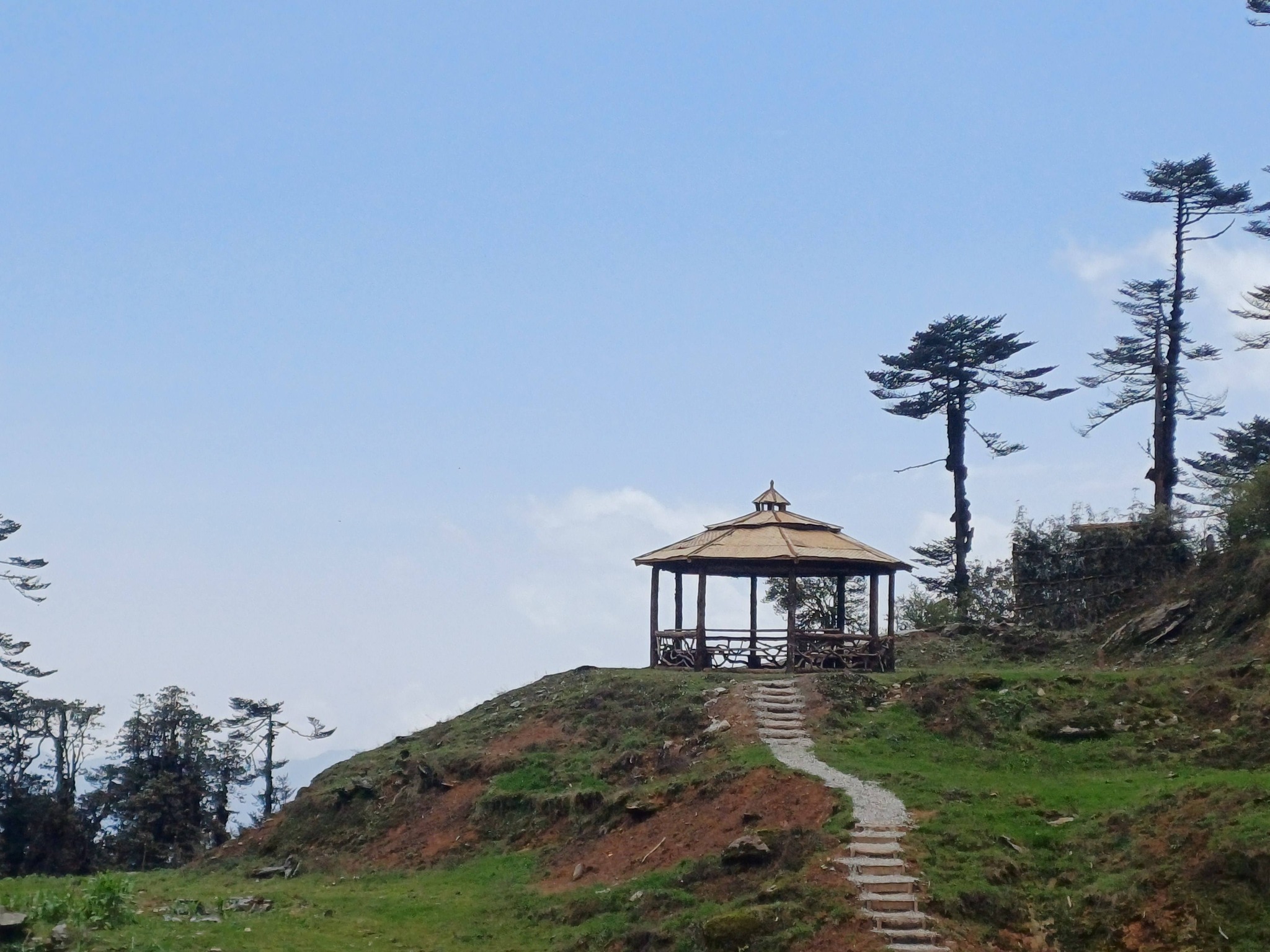
To support the development of the Tergola Red Panda Trail as a nature-based wildlife tourism destination, the reserve management, in collaboration with the Haa District Administration and with support from the Royal Bhutan Army, has built two gazebos with toilets at Jilam and Pajab along the trail.
The gazebo at Jilam View Point serves as a scenic viewing deck for sunsets and panoramic views of the surrounding landscape. The gazebo at Pajab provides a resting and refreshment stop for visitors and trekkers using the trail.
Two-tier model for nature-based tourism in sensitive habitats
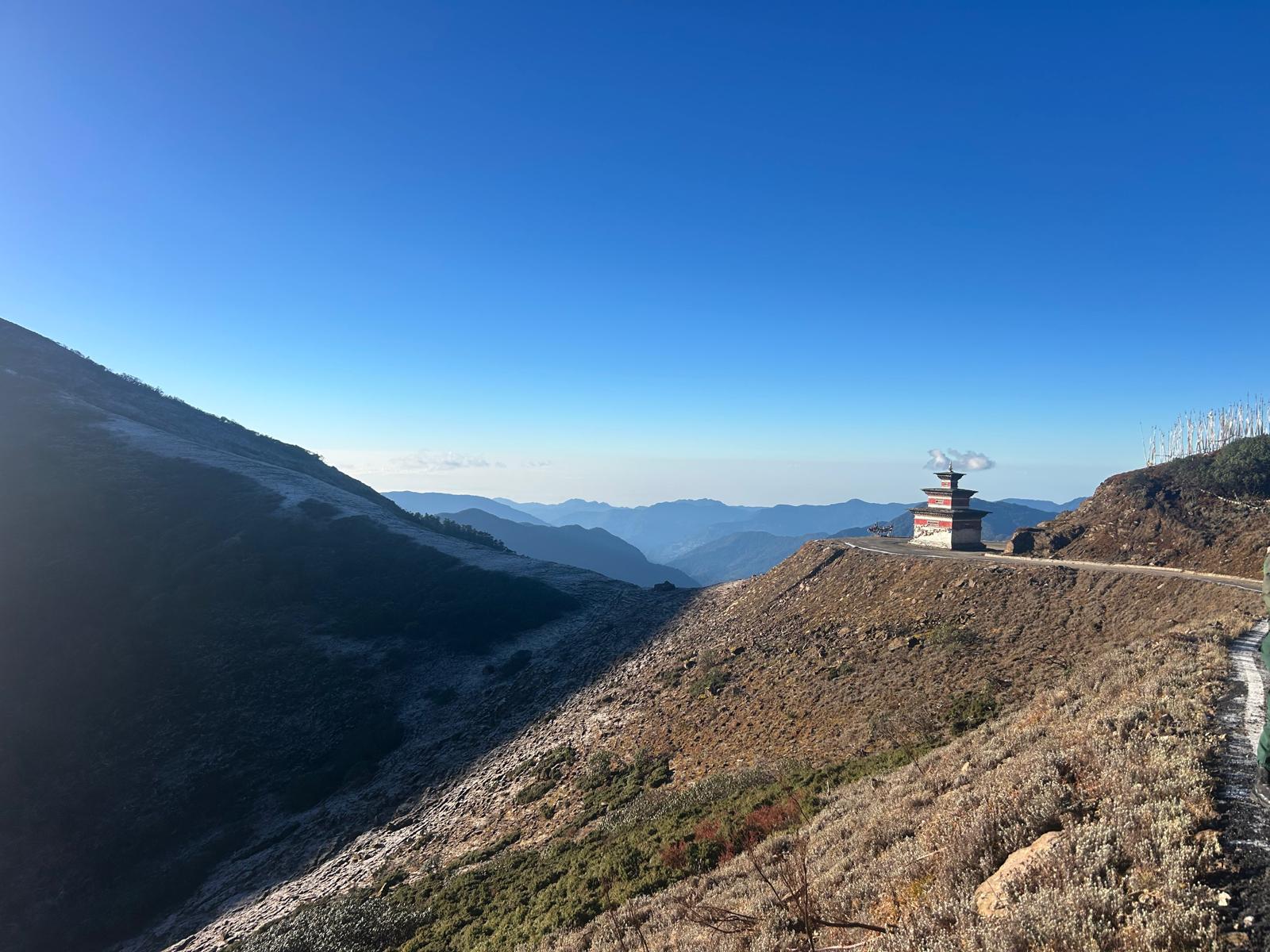
As one of Bhutan's first efforts to operate nature-based tourism within a sensitive habitat, the project follows a two-tier system. A primary conservation zone remains closed to public access, while a controlled zone allows limited and regulated tourism only on designated trails.
Development is guided by a baseline Environmental Impact Assessment (EIA) conducted before project approval. The assessment measures ecological sensitivity and biodiversity value, and its findings determine zoning, visitor limits, and trail design. This ensures that all activities remain aligned with conservation objectives.
The project also follows International Union for Conservation of Nature (IUCN) protocols, meeting internationally recognised standards for protecting species and habitats.
Visitor access will be tightly regulated through a permit-based quota system supported by digital booking, mandatory guided entry, and checkpoint verification. These mechanisms, combined with continuous monitoring and enforcement, are designed to ensure tourism remains within the area's ecological carrying capacity.
A high conservation value area for red panda and Pangpoe
Tergola is recognised as a High Conservation Value (HCV) area in Bhutan. Following an HCV assessment, the management of Jigme Khesar Strict Nature Reserve classified the red panda habitat in Tergola as an HCV site under the IKI landscape.
The area falls under HCV Category 1, meaning it supports significant biodiversity, including rare and endangered species. It is home to the endangered red panda (Ailurus fulgens) and also supports Nardostachys jatamansi, locally known as Pangpoe, a critically endangered plant listed on the IUCN Red List and under CITES Appendix I.
Jigme Khesar Strict Nature Reserve is the only strict nature reserve among Bhutan's ten protected areas. The reserve covers 784.225 square kilometres and includes Bji and Sombay in Haa District in western Bhutan, as well as Tendruk and Norgaygang in Samtse District in southern Bhutan.